

V današnjem svetu, ki ga vse bolj oblikujejo podobe, so oblačila postala veliko več kot le modni izraz – postala so način komunikacije. Oblikujejo prvi vtis, izražajo identiteto in vse pogosteje vplivajo na to, kako je ženska zaznana, še preden sploh spregovori. Toda za Rupo Dash, izvršno direktorico organizacije World Woman Foundation, se razprava o modi odmika od vprašanja vidnosti k nečemu veliko pomembnejšemu – glasu. Kajti danes največji izziv ni več biti opažen, temveč biti slišan.
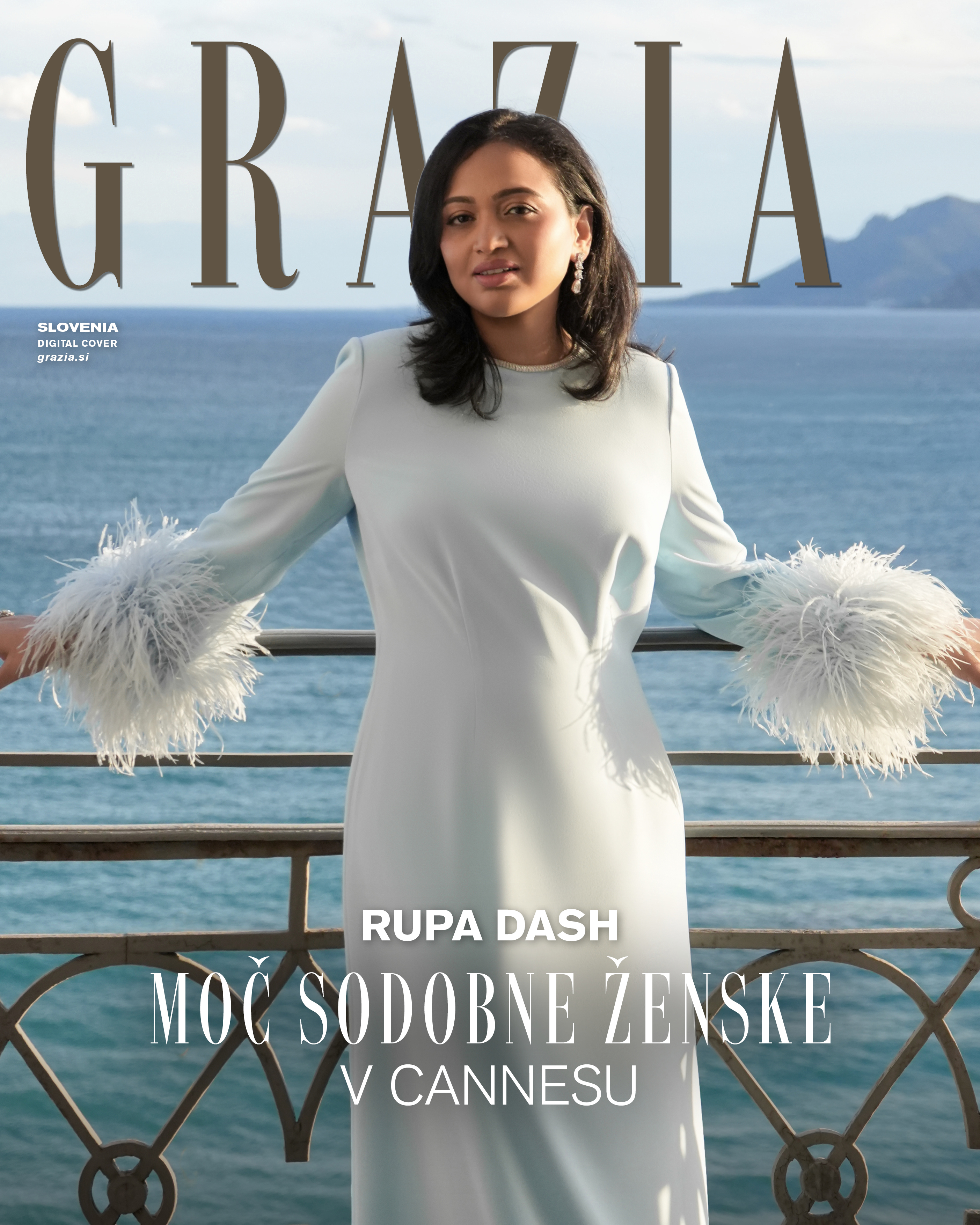
Prav na tej ideji temelji koncept nove garderobe moči (the new power wardrobe). Na svetovni ravni je takšen premik še posebej pomemben. Po mednarodnih raziskavah o enakosti spolov ženske še vedno zasedajo manj kot 30 odstotkov vodilnih položajev, tudi v kreativnih industrijah pa ostaja njihova zastopanost na najvišjih funkcijah neenakomerna, čeprav predstavljajo skoraj polovico delovne sile. Njihova vidnost v medijih in na digitalnih platformah se je sicer močno povečala, vendar temu ni vedno sledil tudi dejanski vpliv. Prav v tem razkoraku Rupa Dash modo razume kot jezik avtoritete, ne zgolj okrasja.
Na številnih mednarodnih forumih in kulturnih dogodkih poudarja, da se dogaja tiha, a pomembna sprememba: ženske se ne oblačijo več zato, da bi se prilagodile obstoječim sistemom moči, temveč zato, da na novo opredelijo, kako je moč sploh videti. Oblačila postajajo izraz identitete, ne več preobleka. Postajajo pripoved, ne več prilagajanje.
Prav v tem trenutku garderoba preseže zgolj reprezentativno vlogo in postane sredstvo, ki ustvarja sporočilo, vpliv in odmev.
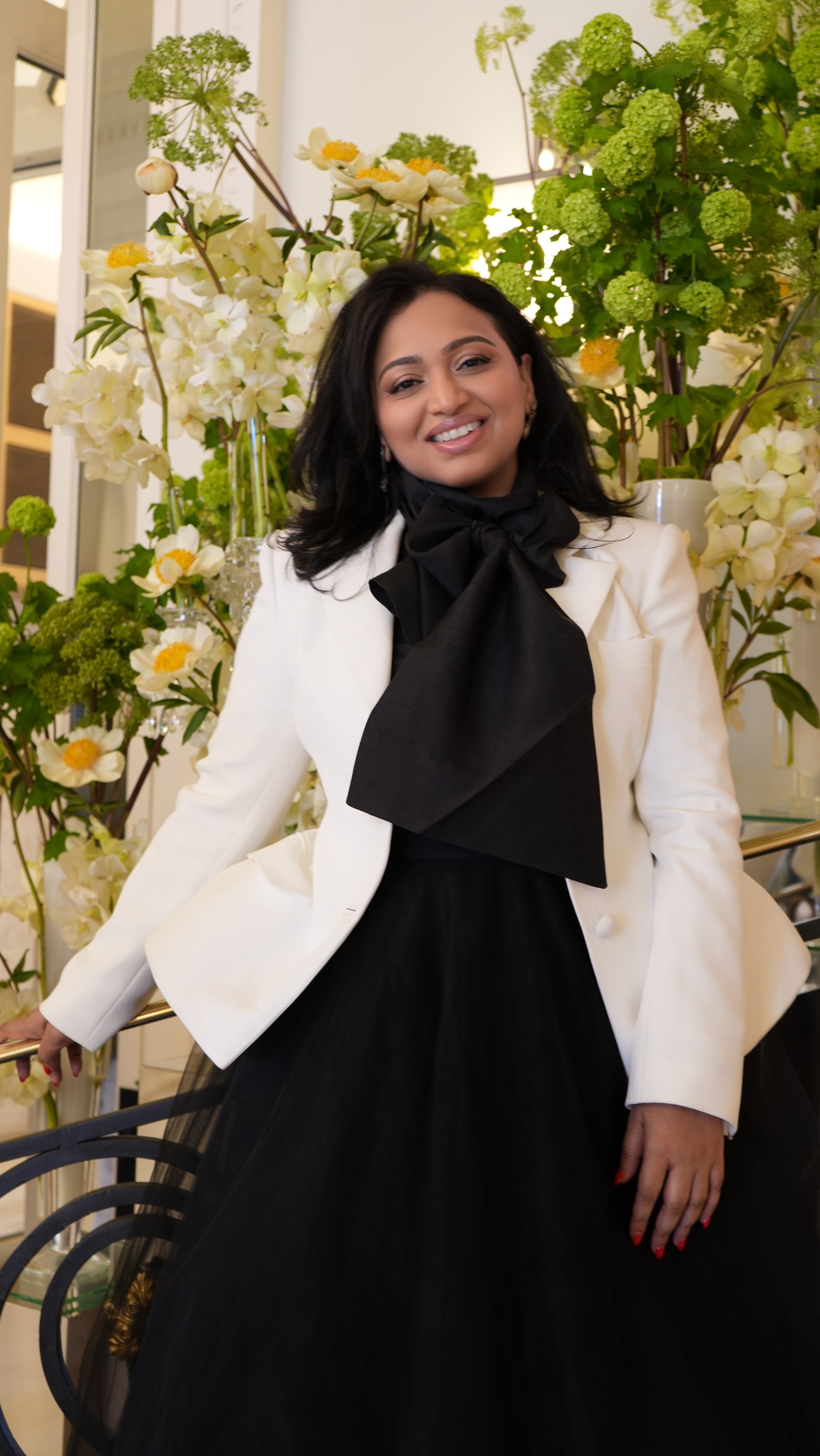
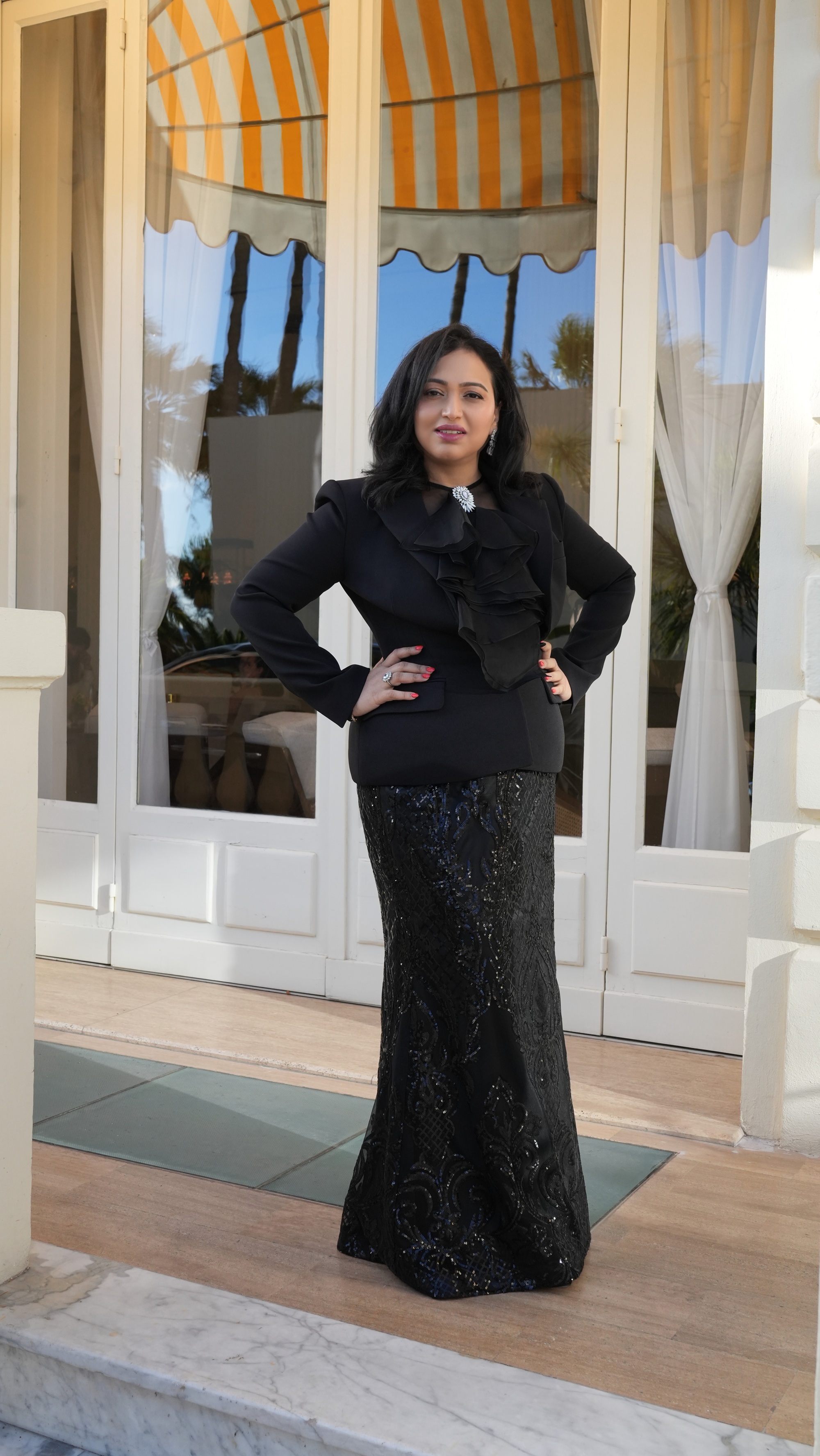
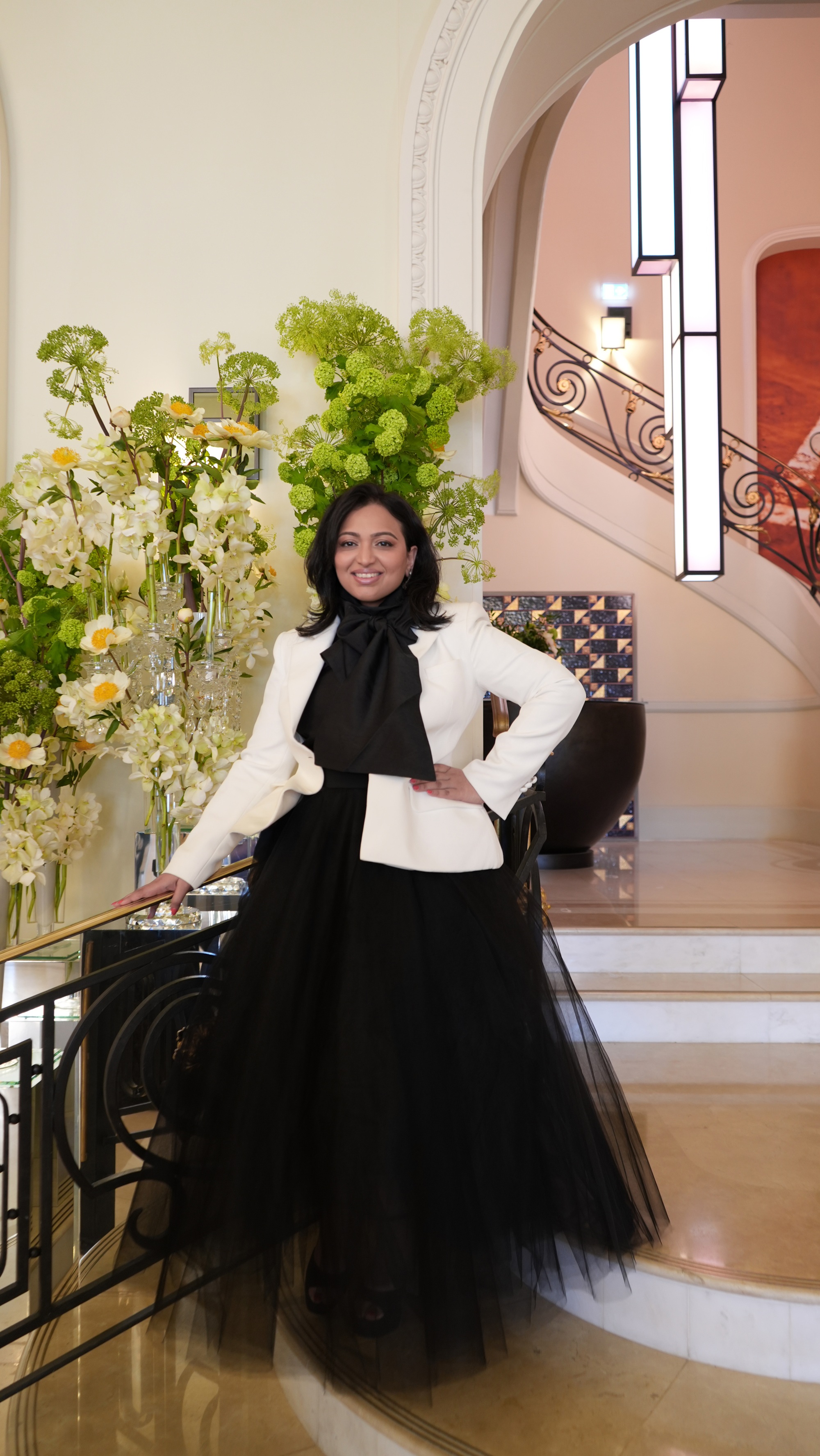
V kreacijah Dorote Goldpoint je moda postala čustvena arhitektura – nekaj, kar ne oblikuje le videza, temveč samozavest, lahkotnost in prisotnost, namesto samega performansa. Za Rupo Dash je to na novo opredelilo pomen stila na najvišji ravni: ne kot popolnost, temveč kot udobje v lastni identiteti.
V Cannesu, kjer je videz pogosto pod drobnogledom in še dodatno poudarjen, to pridobi poseben pomen. Pravi stil ni vprašanje velikosti, trendov ali prilagajanja. Je vprašanje tega, kako ženska nosi sebe, ko je popolnoma usklajena s tem, kar je.
In prav ta občutek lahkotnosti, dostojanstva in samoprepoznavanja je morda danes najbolj subtilna oblika luksuza.
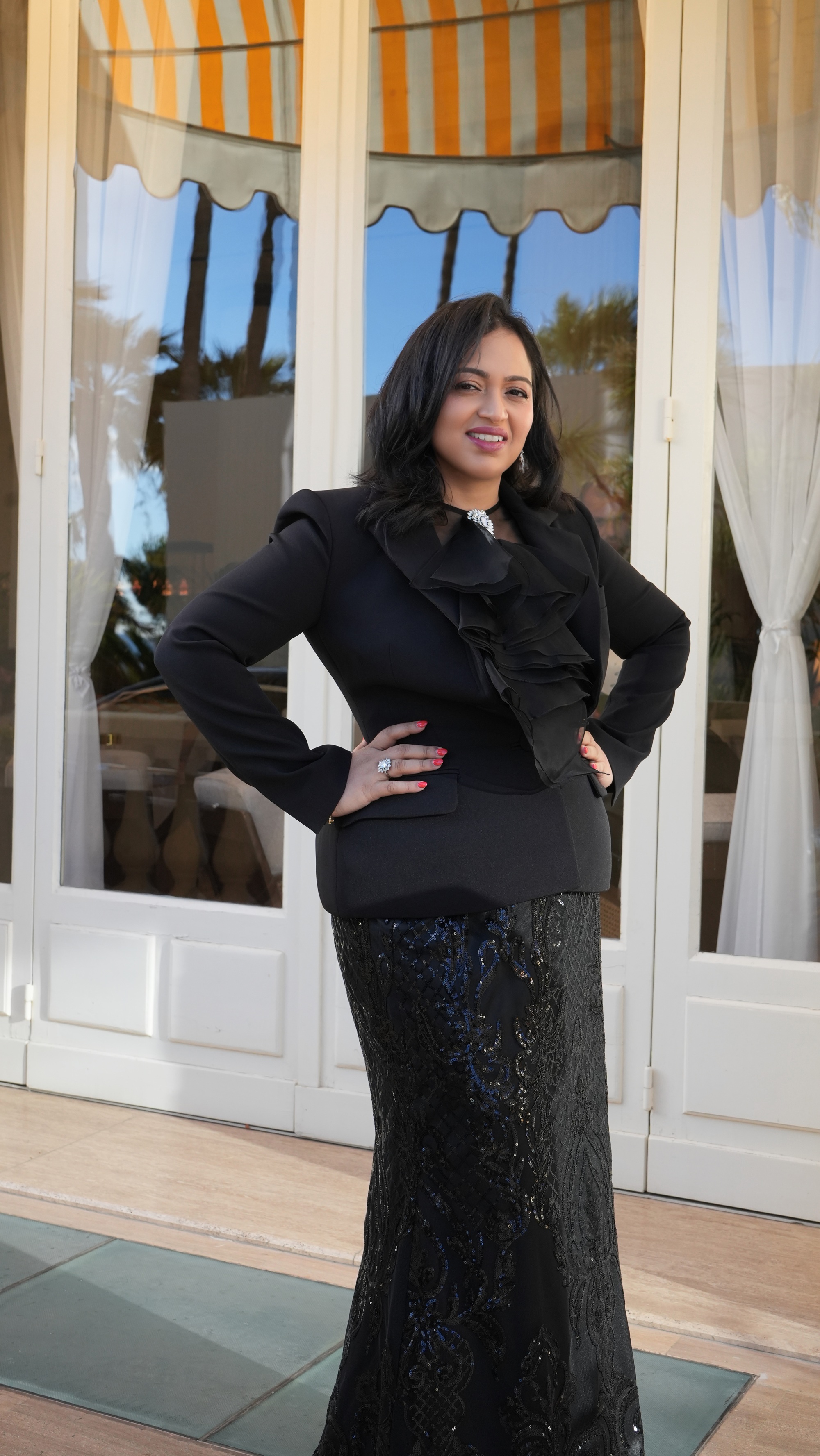
Širši kulturni pomen tega premika je jasen. Ko ženske vse bolj prevzemajo vodilne vloge v različnih industrijah, se definicija moči širi. Ni več zgolj institucionalna ali vizualna; postaja izkustvena. Vključuje glas, nadzor nad lastno pripovedjo in sposobnost, da vsaka posameznica sama določa, kako bo predstavljena.
V tem smislu nova »garderoba moči« sploh ne govori več o oblačilih. Govori o avtonomiji.
Vidnost je ženskam odprla vrata, a prav glas je tisti, ki spreminja arhitekturo prostora. In v tem prehodu – od tega, da si viden, do tega, da si slišan – sodobna garderoba moči presega modo. Postane izraz prisotnosti in tihe preobrazbe.
_______________________________________________________________________________________________________________________________________
Rupa Dash On Modern Feminine Power at Cannes
In today’s image-driven world, clothing has become more than style; it has become structure. It shapes first impressions, signals identity, and increasingly influences how women are perceived before they even speak. Yet for Rupa Dash, CEO of the World Woman Foundation, the conversation around fashion is shifting away from visibility toward something far more powerful, voice. Because being seen is no longer the challenge. Being heard is. This is the idea behind what can now be understood as the new power wardrobe.
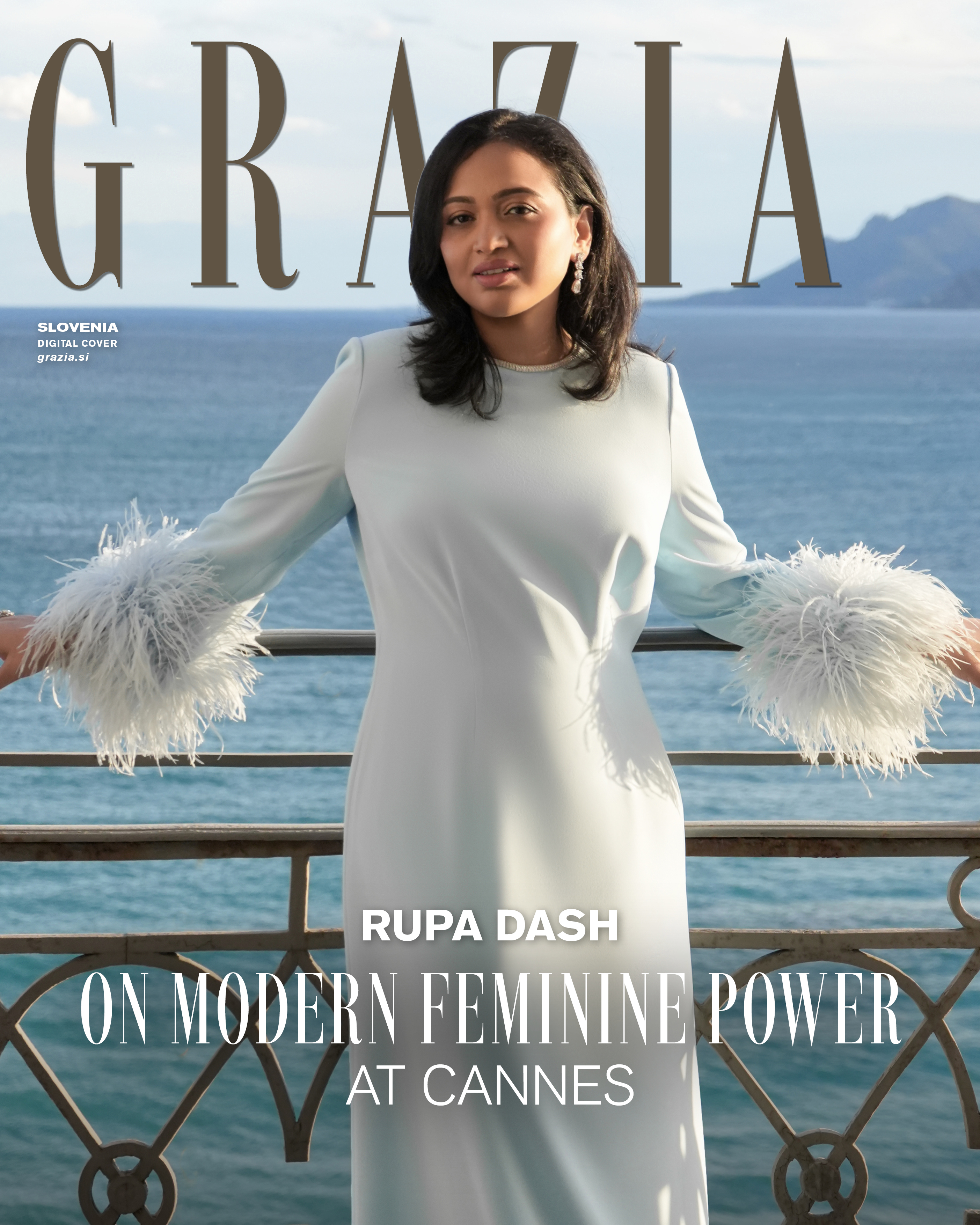
Globally, the context makes this shift urgent. Women still hold just under 30 percent of leadership roles worldwide, according to widely cited global gender parity benchmarks, and in creative industries, senior representation remains uneven despite women making up nearly half of the workforce. Visibility has increased dramatically across media and digital platforms, but influence has not always kept pace. In that gap, Dash positions fashion as a language not of decoration, but of authority.Across international forums and cultural stages, she has consistently highlighted a quiet evolution in which women are no longer dressing to assimilate into systems of power but to reshape how power itself is expressed.
Clothing is becoming identity, not camouflage. It is becoming narrative, not compliance. This is where the concept of the wardrobe shifts from representation to resonance.
For decades, the codes were familiar, muted palettes, structured tailoring, and standardized silhouettes designed to signal credibility in spaces historically shaped by masculine norms. But that definition is dissolving. Today, a sari on a global stage, a bold color in a monochrome room, or a silhouette rooted in cultural heritage is no longer an exception; it is part of a new visual language of leadership.
Dash frames this transformation as infrastructure rather than fashion. A power wardrobe is not about fitting into a template of authority, it is about building the conditions in which a woman’s presence can expand without distortion.
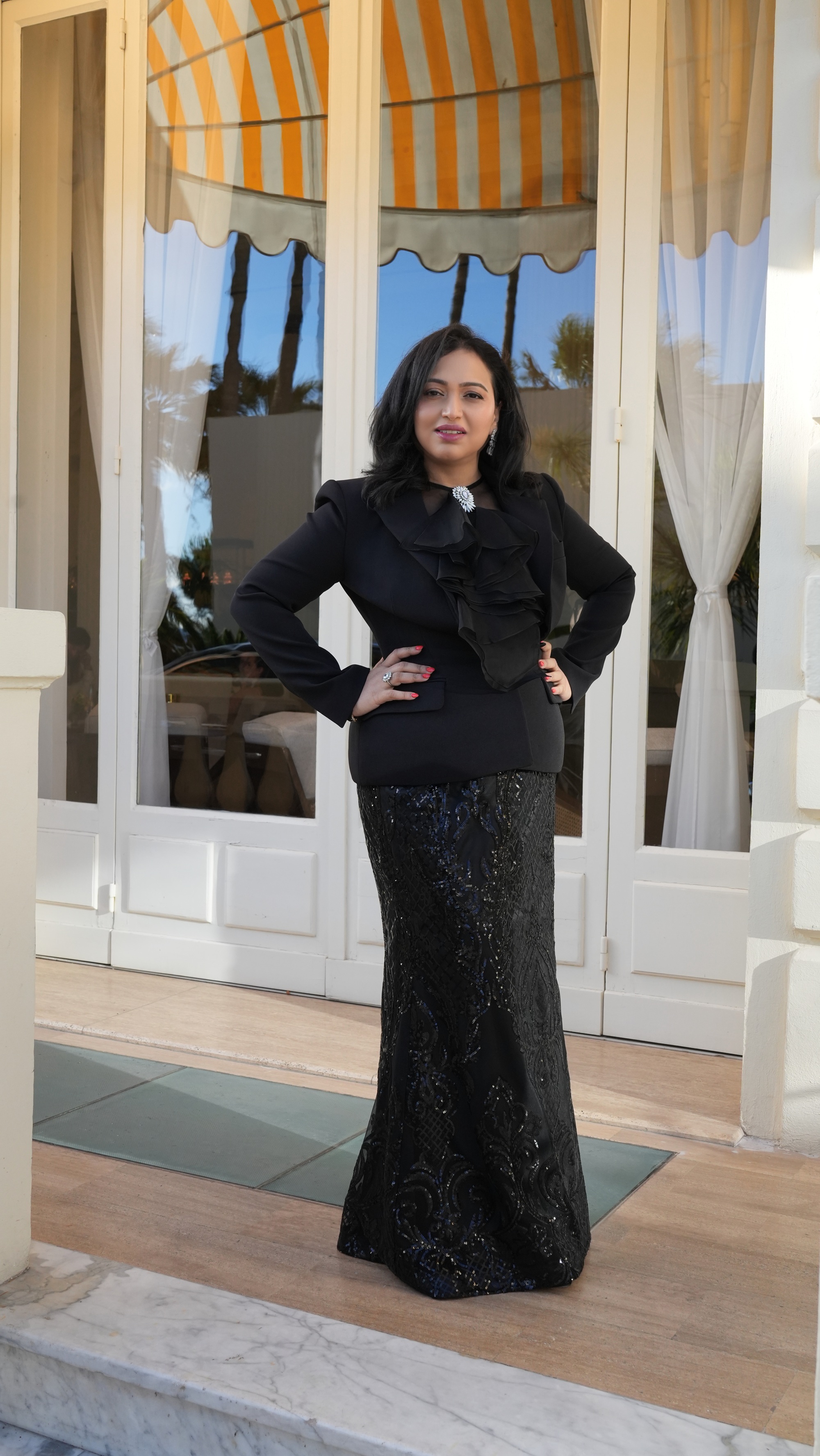
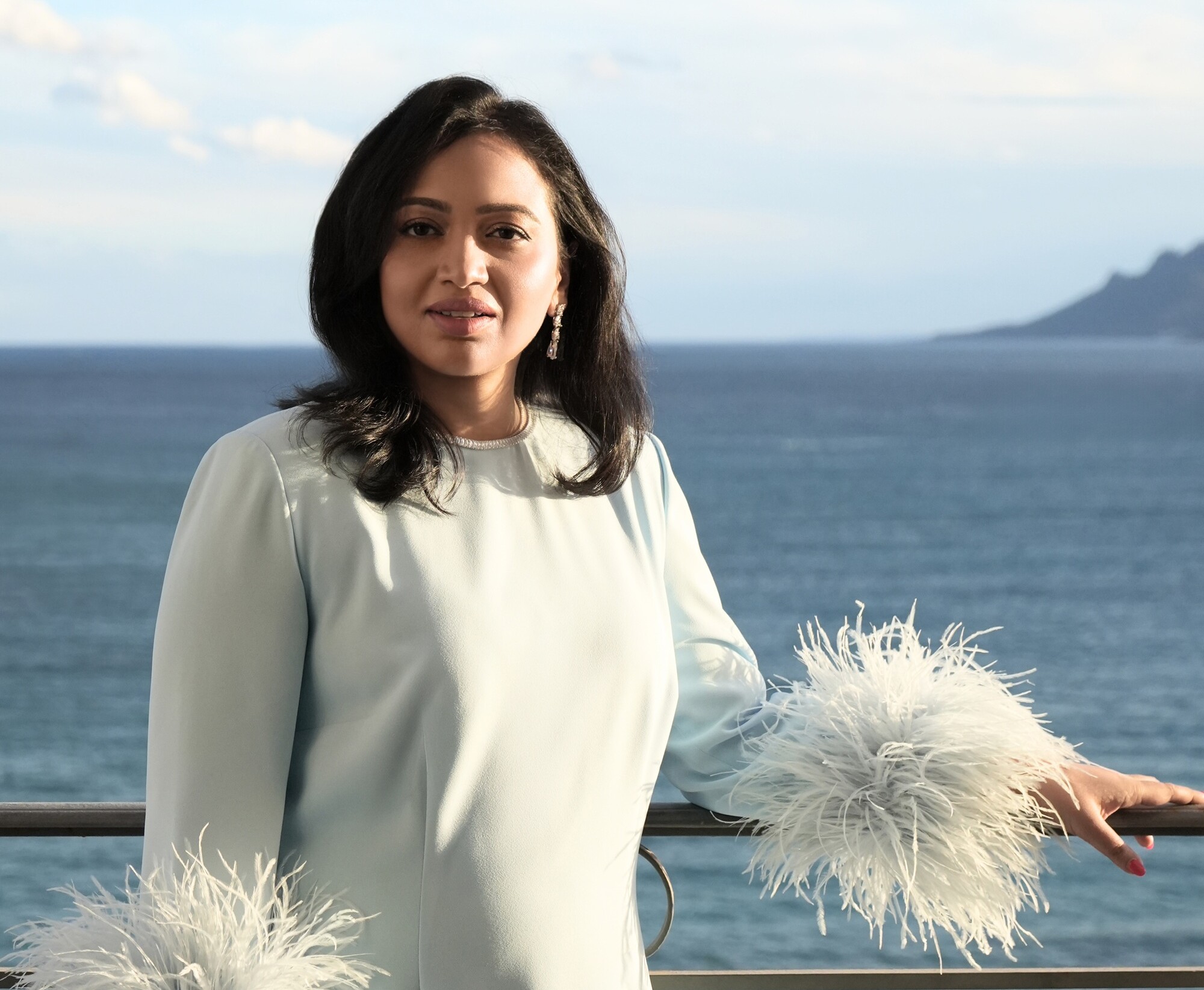
At the Festival de Cannes, where image and storytelling intersect on a global scale, Dash’s own appearance became part of this evolving narrative.
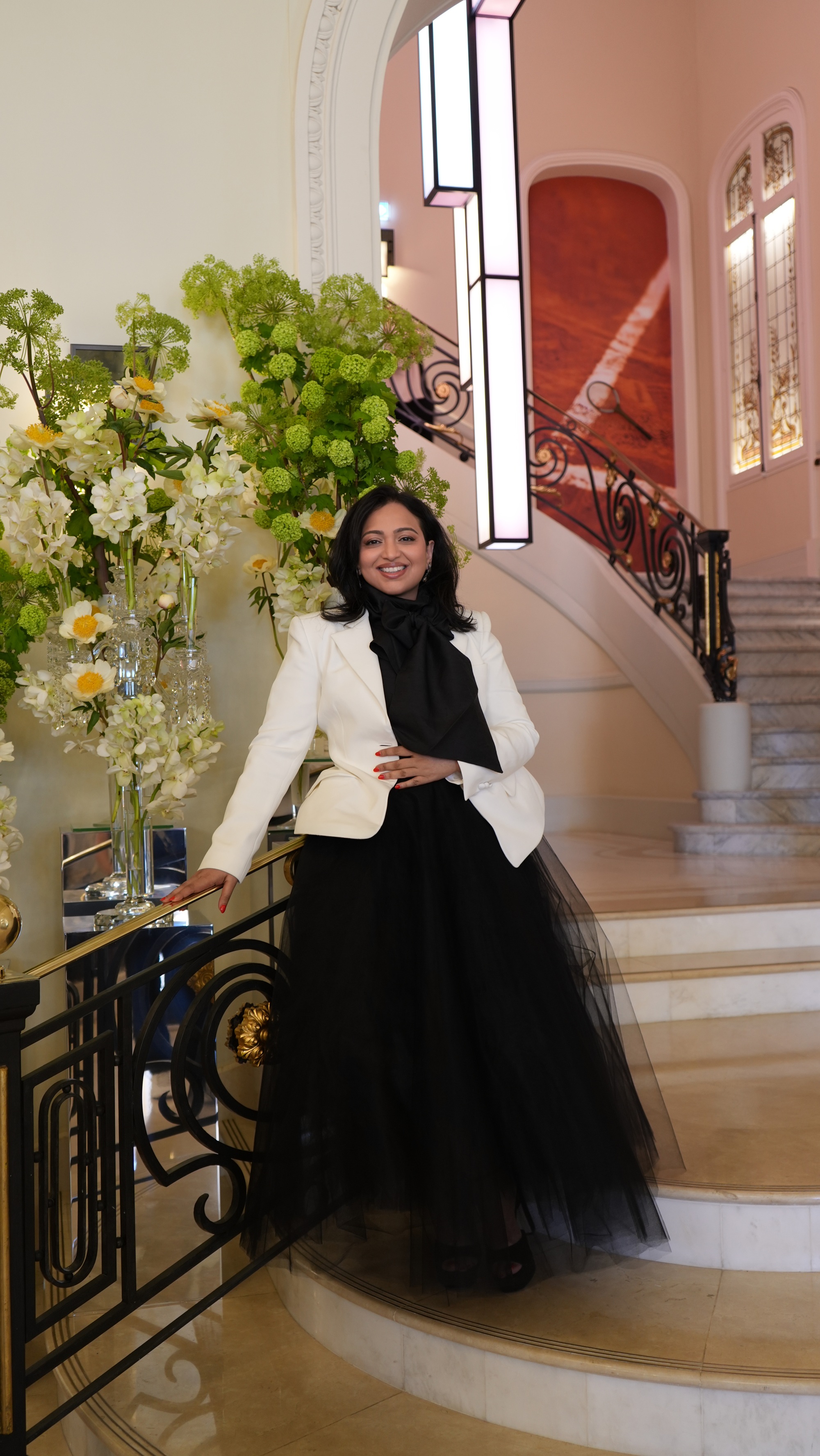
For her debut at Cannes, she chose to wear Dorota Goldpoint not simply for elegance but for meaning. Goldpoint’s personal journey transitioning from psychoanalytic psychotherapist to fashion designer after the age of 45 resonated deeply. It is a story that challenges one of the most persistent cultural assumptions, that reinvention has a deadline.
Goldpoint has also dressed Former First Lady of Poland Jolanta Kwaśniewska, adding another layer of cultural legacy to her work. Her philosophy that “the heart has no wrinkles” aligns closely with the mission of the World Woman Foundation and its broader Equality Moonshot vision, that women are not defined by age, expectation, or constraint, but by lived experience, resilience, and continued evolution.
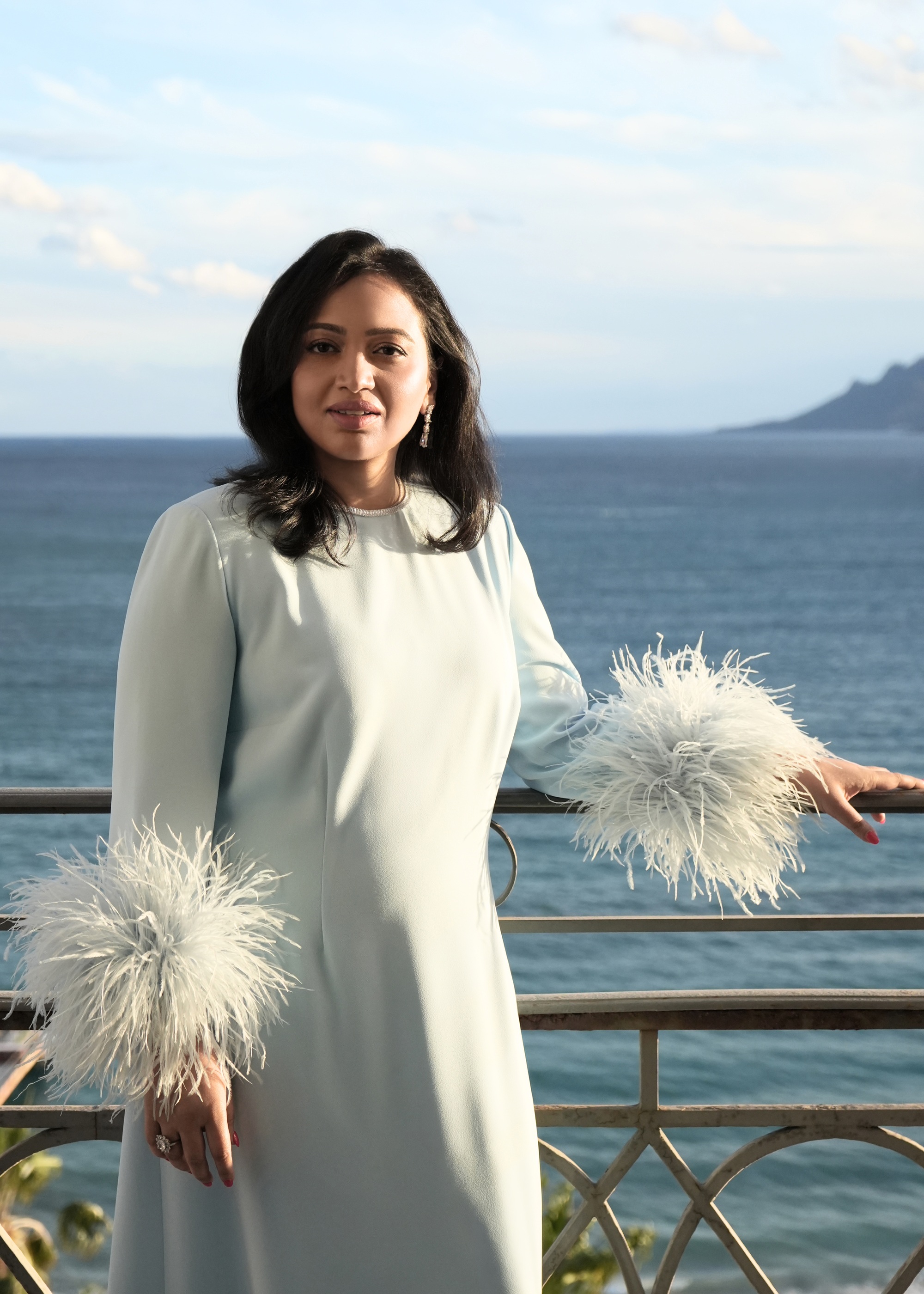
The Cannes experience itself reflected a quieter but equally powerful shift in how luxury is defined.
Dash arrived for business, traveling light with only cabin luggage, a practical choice that mirrors her broader philosophy of focus and intentionality. Between meetings, interviews, and high-level engagements, there is little space for excess, only movement. Her introduction to Dorota Goldpoint came shortly before the festival through a brief exchange.
At the time, she knew only of the designer’s reputation and her connection to Poland’s former First Lady. What followed challenged expectations. Initial hesitation, common in industries still shaped by rigid beauty standards, was met instead with warmth and reassurance. Goldpoint’s approach was not about fitting a body into a garment, but about understanding how a woman feels inside it. That distinction changed everything.
The result was not simply a red carpet look, but an experience of being seen differently.
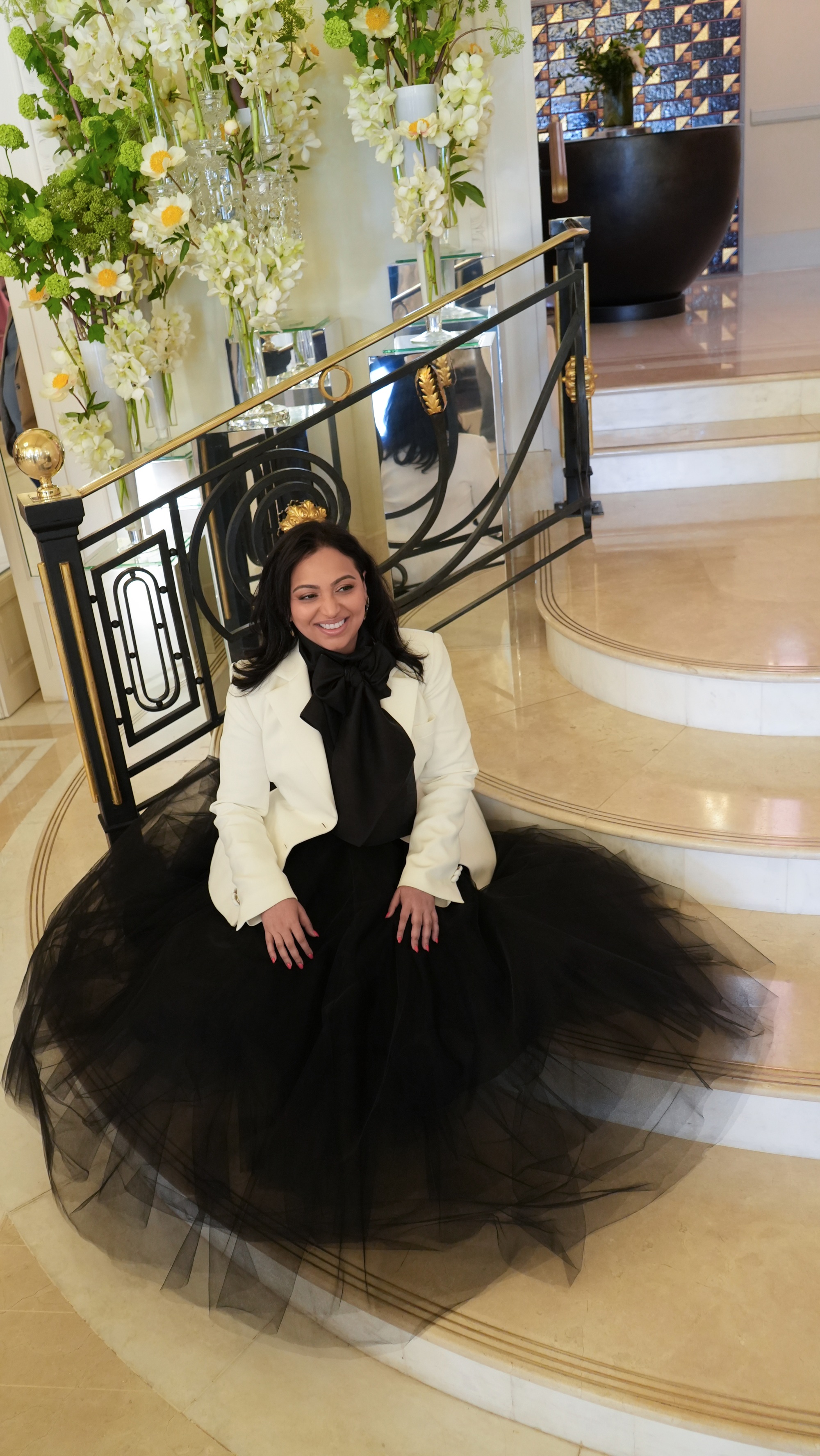
In Goldpoint’s designs, fashion became emotional architecture, something that shapes confidence, ease, and presence rather than performance. For Dash, this reframed what style truly
means at the highest level, not perfection but comfort within one’s own identity.
At Cannes, where appearance is often amplified and scrutinized, this becomes especially significant. True style is not about size, trend, or conformity. It is about how a woman carries herself when she feels fully aligned with who she is. And that feeling of ease, dignity, and self-recognition may be the most understated form of luxury today.
The broader cultural implication is clear. As women continue to step into leadership roles across industries, the definition of power is expanding. It is no longer purely institutional or visual; it is experiential. It includes voice, narrative control, and the ability to define one’s own representation.
In that sense, the new power wardrobe is not about clothes at all. It is about agency. Visibility opened the door for women. But voice is what changes the architecture of the room. And in that transition from being seen to being heard, the modern power wardrobe becomes something larger than fashion. It becomes a statement of presence and quiet transformation.
Kreativni vodja: Monarch Global Agency @monarchglobalagency
Model: Rupa Dash @thedashshot
Kreacije: Dorota Goldpoint @dorotagoldpointofficial
Stiliranje: stylebyrinas @stylebyrinas
Fotografije: Marina Prinzi @marinaprinziphotography
Retuša:  Mariya Vyazmikina @maria.retoucher
Ličenje: Ania Karbowiak @karbowiak_mua in Aleksandra Przyłuska @aleksandraprzyluska z @oriflame @oriflamepoland
Pričeska: Adrian Lasota @lasotaadrian
Video produkcija: @fashiontv @enw.entertainment
Promocija: @monarchglobala