

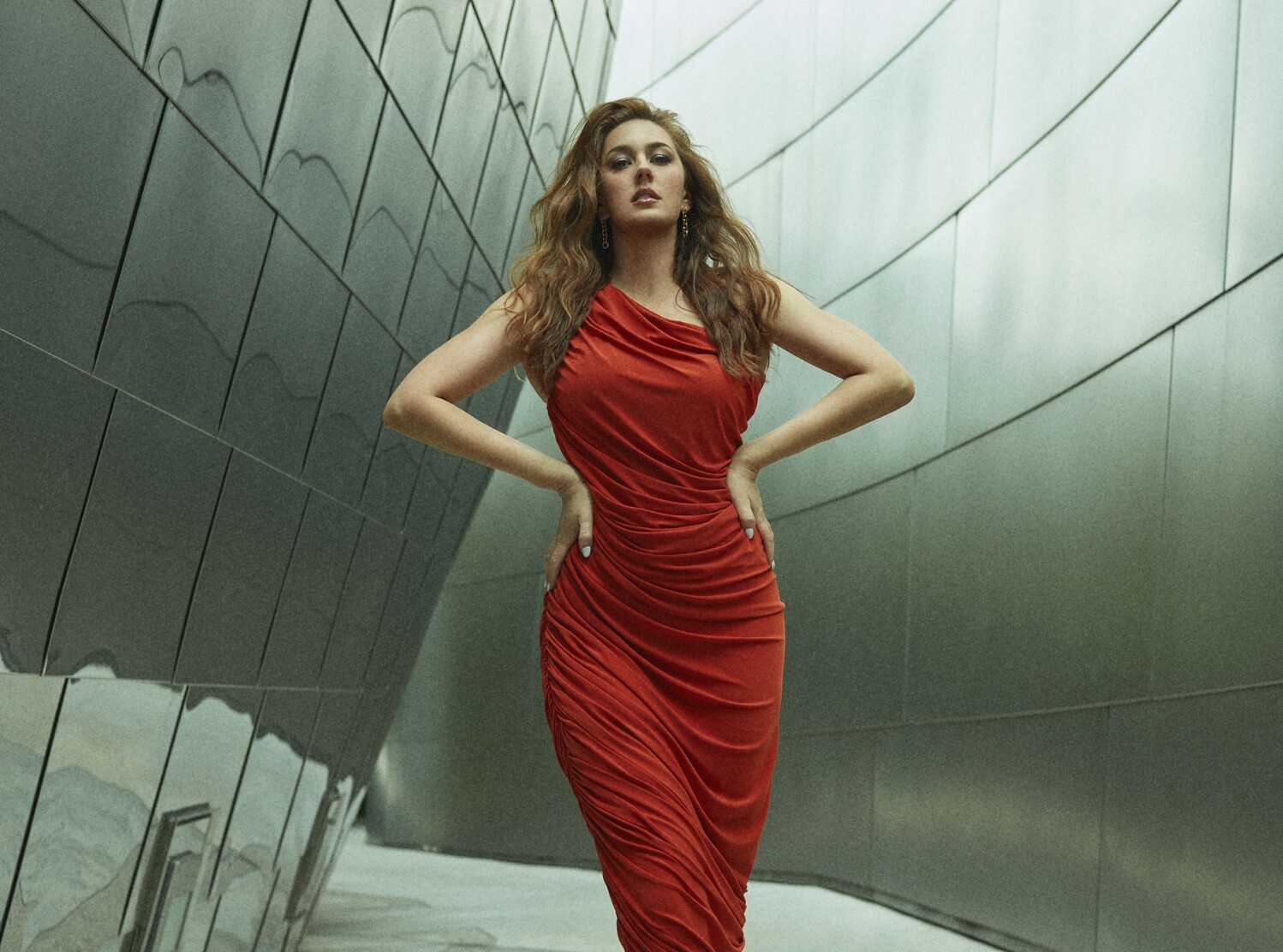
Adina Butar je dolga leta posojala svoj glas in avtorski talent nekaterim največjim imenom elektronske glasbe ter postala ena najbolj prepoznavnih vokalistk na ‘trance’ sceni. Po desetletju sodelovanj se zdaj vrača na pot samostojne umetnice in raziskuje bolj osebno ter introspektivno ustvarjalno smer.
V pogovoru z GRAZIO je razmišljala o umetniški neodvisnosti, notranji avtentičnosti in tihem glasu znotraj nas, ki usmerja tako njeno glasbo kot življenje.
Velik del svoje kariere ste sodelovali kot vokalistka in avtorica besedil z drugimi umetniki. Kdaj ste začutili, da je čas, da stopite v ospredje kot samostojna umetnica?
Pravzaprav sem svojo pot začela kot samostojna pevka in avtorica. Tako so me tudi odkrili. Nekateri večji DJ-ji so slišali moj glas in me kontaktirali ravno v obdobju, ko so sodelovanja med vokalisti in DJ-ji v elektronski glasbi postajala zelo priljubljena. Skoraj vsi v EDM-u in ‘tranceu’ so takrat ustvarjali takšne projekte, zato sem tudi sama stopila v ta svet. Skoraj deset let sem posojala svoj glas in besedila številnim lepim projektom in za to poglavje sem zelo hvaležna, saj je moj glas pripeljalo do globalnega občinstva. Hkrati pa so bile te pesmi vedno kombinacija vizije producenta in moje vizije. Kot avtorica sem pogosto oblikovala besedila okoli tega, kar je želel izraziti DJ ali producent, in ne nujno okoli svoje lastne zgodbe. Po toliko letih sem začutila potrebo, da se za trenutek ustavim in se ponovno povežem sama s seboj kot umetnica. Želela sem ustvariti nekaj, kar bi bilo stoodstotno moj glas, moja čustva in moj pogled na svet. Tako se je tudi rodila odločitev, da se vrnem na pot samostojne umetnice – kot da bi se vrnila tja, kjer se je vse začelo.
Vaš singel Whisper zveni zelo intimno in iskreno, vaše pesmi pa pogosto opisujejo kot čustvene in reflektivne. Če bi poslušalci po poslušanju vašega novega albuma odnesli le eno misel ali občutek – kaj bi želeli, da bi to bilo?
Če bi kdo po poslušanju albuma začutil nekoliko globljo povezanost s samim seboj, bi mi to pomenilo največ. Pogosto živimo preveč v glavi, v pričakovanjih in hrupu, zato pozabimo poslušati svoj notranji glas. Pesem Whisper govori prav o ponovni povezavi s tisto notranjo iskro, ki jo imamo vsi, a nanjo včasih pozabimo. Življenje postane glasno, pričakovanja še glasnejša, včasih pa je dovolj že tih šepet, majhen opomnik, da v sebi znova prižgemo ogenj. Zame ta šepet predstavlja glas v nas, ki pravi: ne boj se, nadaljuj, sledi temu, kar te oživlja. Je nežno, a hkrati zelo močno notranje vodstvo, ki nas spomni, kdo v resnici smo in česa smo sposobni. Ko enkrat spoznamo, da naše misli in prepričanja oblikujejo našo resničnost, se nekaj premakne. Takrat začnemo razumeti, da skozi življenje ne le hodimo – temveč ga pravzaprav ustvarjamo. V tem smislu postanemo alkimisti lastnega življenja. Če bi poslušalci iz albuma odnesli en sam občutek, bi si želela, da bi bil to prav ta opomnik: iskra je že v vas. Včasih morate samo znova slišati šepet.
Dejali ste, da ženskam ni treba čakati, da jih nekdo izbere. So bili trenutki v vaši karieri, ko ste morali izbrati sami sebe, tudi proti pričakovanjem industrije?
Da, absolutno. Glasbena industrija ti včasih daje občutek, da potrebuješ dovoljenje – dovoljenje, da nekaj izdaš, da spremeniš smer ali da si vzameš prostor. Kot ženska pa se pogosto pojavi še več pričakovanj glede tega, kako naj bi izgledala, zvenela ali se obnašala. Bili so trenutki, ko bi bilo lažje počakati, da nekdo drug potrdi določeno odločitev. A sem spoznala, da lahko s stalnim čakanjem počasi izgubiš bistvo tega, zakaj si sploh začel ustvarjati. Izbrati sebe ne pomeni zavračati sodelovanja ali nasvetov. Pomeni preprosto to, da svoji intuiciji zaupaš dovolj, da prevzameš odgovornost za svojo umetniško pot.
Zame bi ta premik izpostavila kot opolnomočenje. Spomnil me je, da najbolj avtentična dela pogosto nastanejo v trenutku, ko prenehaš prositi za dovoljenje in začneš poslušati sebe.
Nedavno ste začeli pisati tudi svojo prvo knjigo o osebni rasti in nezavednih vzorcih. Je bil v vašem življenju kakšen vzorec, ki ga je bilo najtežje prepoznati in spremeniti? In kako se izražanje čustev v pesmi razlikuje od izražanja v knjigi?
Eden najtežjih vzorcev za prepoznati je bil, kako pogosto se lahko omejujemo s svojimi lastnimi prepričanji. Včasih nosimo s seboj nevidne scenarije – predstave o tem, kdo naj bi bili, kaj nam je dovoljeno ali koliko prostora si sploh smemo vzeti v svetu. Najzahtevnejši del je prav to, da so mnogi od teh vzorcev nezavedni, zato dolgo sploh ne opazimo, kako vplivajo na naše odločitve. Pravo delo se začne, ko jih začnemo opazovati z iskrenostjo in sočutjem ter jih počasi prepisovati. Ta proces je bil zame zelo transformativnen in tudi eden od razlogov, da sem začela pisati knjigo. Glasba in pisanje sta sicer dva zelo različna načina pripovedovanja zgodb. Pesem ujame občutek v zelo strnjeni, skoraj poetični obliki – kot nekakšen trenutni posnetek čustva. Knjiga pa omogoča raziskovanje globljih plasti za temi čustvi. V glasbi čustvo začutimo takoj, v knjigi pa lahko bralca vodiš skozi proces razumevanja. Zame se oba načina dopolnjujeta: glasba govori srcu, knjiga pa nagovarja um in zavedanje za njim.
Živite v Miamiju, veliko pa tudi nastopate in ustvarjate v Evropi. V času družbenih omrežij so umetniki nenehno vidni. Kako ohranjate svojo notranjo avtentičnost, da ustvarjalnost ne postane le še vsebina za objave?
Danes je to res izziv, saj pritisk, da moraš ves čas ustvarjati in deliti, včasih zabriše mejo med pristno ustvarjalnostjo in zgolj produkcijo vsebine. Zame je ključno, da varujem trenutke tišine in resničnega življenja stran od zaslona. Poskušam ostati povezana z razlogi, zakaj sem sploh začela ustvarjati glasbo: radovednostjo, čustvi in željo po izražanju nečesa, kar ima pomen. Ko ustvarjalnost prihaja iz tega prostora, ne deluje kot vsebina, temveč kot komunikacija. Tudi življenje med Miamijem in Evropo mi pomaga, ker stalno spreminja perspektivo. Različne kulture, pokrajine in energije vedno znova oživljajo moj navdih. Na koncu pa avtentičnost izhaja iz povezanosti s samim seboj. Če poslušaš svoj notranji glas, tisti šepet, o katerem govorim v svoji glasbi, je veliko lažje ustvariti nekaj resničnega, ne pa le nekaj, kar zapolni objavo na družbenem omrežju.
___________________________________________________________________________________________________________________
Adina Butar spent many years lending her voice and songwriting to some of the biggest names in electronic music, becoming one of the most recognizable voices in the trance scene. After a decade of collaborations, she is now returning to her path as a solo artist, exploring a more personal and introspective creative direction. In this conversation, Adina reflects on artistic independence, inner authenticity, and the quiet voice within that guides both her music and her life.
Adina, you spent many years working in collaborations as a vocalist and lyricist. At what moment did you feel ready to step out of the shadow and present yourself as an independent artist with your own voice?
I actually started as an independent singer and songwriter. That’s how I was discovered in the first place. Some bigger DJs heard my voice and reached out because it was exactly the moment in the industry when collaborations were becoming huge. Everyone in electronic music was doing vocalist–DJ collaborations, so that’s how I stepped into the EDM and trance world.
For almost ten years I lent my voice and my writing to many beautiful projects, and I’m very grateful for that chapter because it introduced my voice to a global audience. But at the same time those songs were always a blend of the producer’s vision and mine. As a writer I was often shaping lyrics around what the DJ or producer wanted to express, rather than fully expressing my own story. After so many years of doing that, I started to feel the need to step back for a moment and reconnect with myself as an artist. I wanted to create something that was one hundred percent my voice, my emotions, my perspective. That’s really how the decision to return to my solo artist path happened — it felt like coming back to where I originally started.
Your single “Whisper” sounds very intimate and honest, and your songs are often described as emotional and deeply reflective. If listeners could take away only one thought or feeling after hearing your new album, what would you like it to be?
If someone walks away from the album feeling a little more connected to themselves, that would mean everything to me. We often live so much in our heads, in expectations, in noise, that we forget to listen to our inner voice.
“Whisper” is really about reconnecting with that inner spark that we all have but sometimes forget about. Life gets noisy, expectations get loud, and sometimes all it takes is a quiet whisper — a small reminder — to relight that fire inside you.
For me, that whisper represents the voice within us that says: don’t be afraid, keep going, follow what makes you feel alive. It’s that gentle but powerful inner guidance that reminds you of who you really are and what you’re capable of.
The moment you realize that your thoughts and beliefs shape your reality, something shifts. You begin to understand that you’re not just moving through life – you’re actually creating it. In that sense, you become the alchemist of your own life.
So if there’s one feeling I hope listeners take away from the album, it’s that reminder: the spark is already inside you. Sometimes you just need to hear the whisper again.
You’ve said that women don’t have to wait to be chosen. Were there moments in your career when you had to literally choose yourself, even against the expectations of the industry?
Yes, absolutely. The music industry can sometimes make you feel like you need permission. Permission to release something, to change direction, to take space. And as a woman, there can be even more expectations about how you should look, sound, or behave.
There were moments when the easier path would have been to wait for someone else to validate a decision. But I realized that if you keep waiting, you can slowly lose the essence of why you started creating in the first place. Choosing yourself doesn’t mean rejecting collaboration or guidance, it simply means trusting your intuition enough to take responsibility for your own artistic path. For me, that shift was very empowering. It reminded me that the most authentic work usually comes from the moments when you stop asking for permission and start listening to yourself.
You’ve recently started working on your first book about personal growth and unconscious patterns. Was there a pattern in your own life that was the hardest for you to recognize and change? Music and writing are two very different ways of telling stories how does expressing emotions in a song differ from expressing them in a book for you?
One of the most challenging patterns for me to recognize was how often we can limit ourselves through our own beliefs. Sometimes we carry invisible scripts, ideas about who we should be, what we’re allowed to do, or how much space we’re allowed to take in the world. And the hardest part is that many of these patterns are unconscious, so for a long time you don’t even realize they’re shaping your choices. The real work begins when you start observing those patterns with honesty and compassion, and slowly rewriting them. That process has been very transformative for me, and it’s one of the reasons I felt inspired to start writing this book.
Music and writing are actually very different ways of expressing emotions. A song captures a feeling in a very condensed, almost poetic way: it’s like a snapshot of an emotion. A book, on the other hand, allows you to explore the deeper layers behind those emotions. In music you feel the emotion immediately, but in a book you can guide someone through the journey of understanding it. For me, they complement each other. The music speaks to the heart, while the book speaks to the mind and the awareness behind it.
You live in Miami but tour extensively and work on the European music scene as well. In the era of social media, artists are constantly visible. How do you manage to preserve your inner authenticity and keep your creativity from turning into just content?
It’s definitely a challenge today because the pressure to constantly create and share can sometimes blur the line between genuine creativity and simply producing content. For me, the key has been protecting moments of silence and real life away from the screen.
I try to stay connected to the reasons why I started creating music in the first place — curiosity, emotion, and the desire to express something meaningful. When creativity comes from that place, it doesn’t feel like content; it feels like communication.
Traveling between places like Miami and Europe also helps because it constantly shifts my perspective. Being exposed to different cultures, landscapes, and energies keeps my inspiration alive. At the end of the day, authenticity comes from staying connected to yourself. If you keep listening to that inner voice — the same whisper I talk about in my music. It becomes much easier to create something real rather than something that just fills a feed.
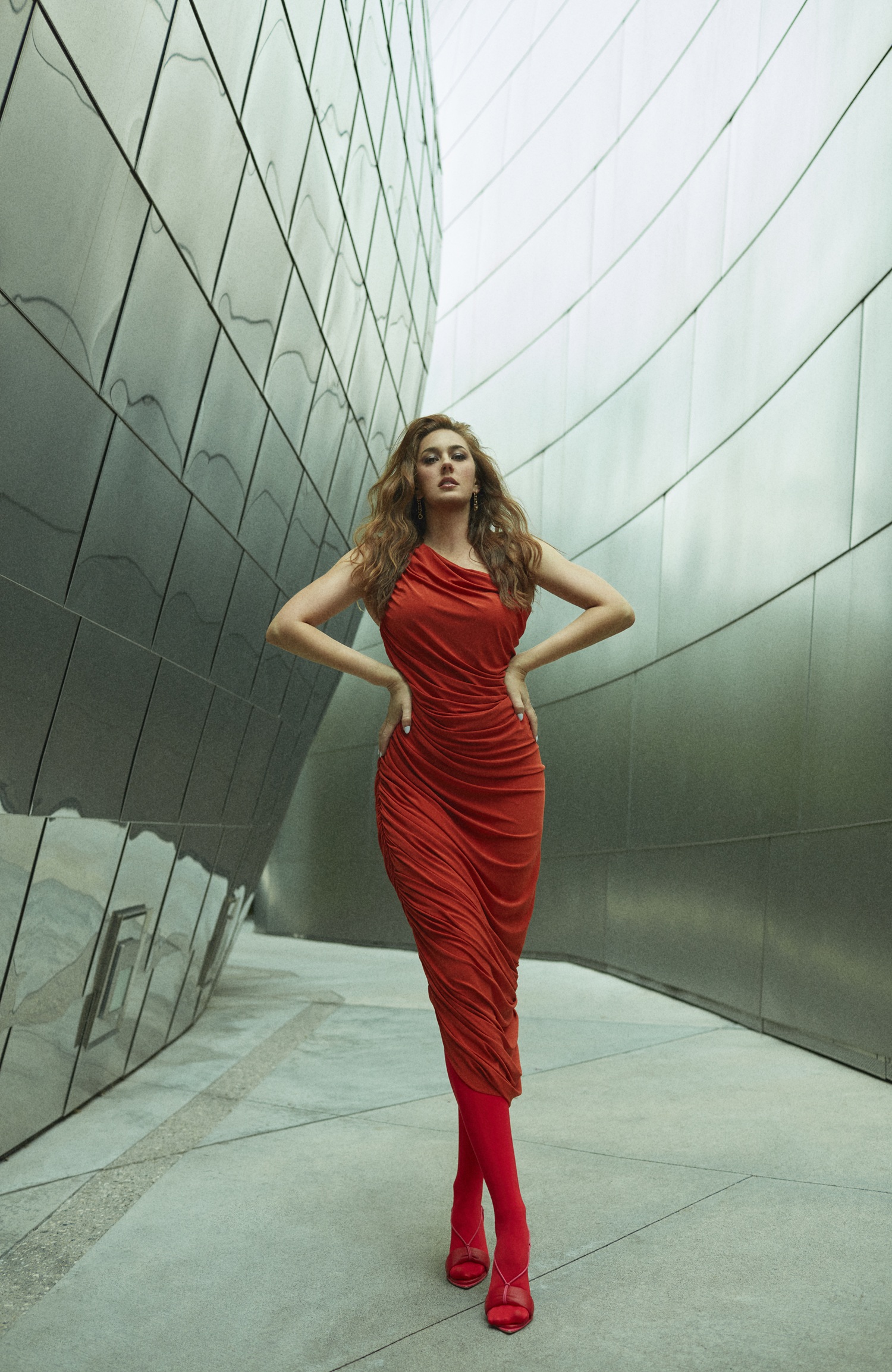
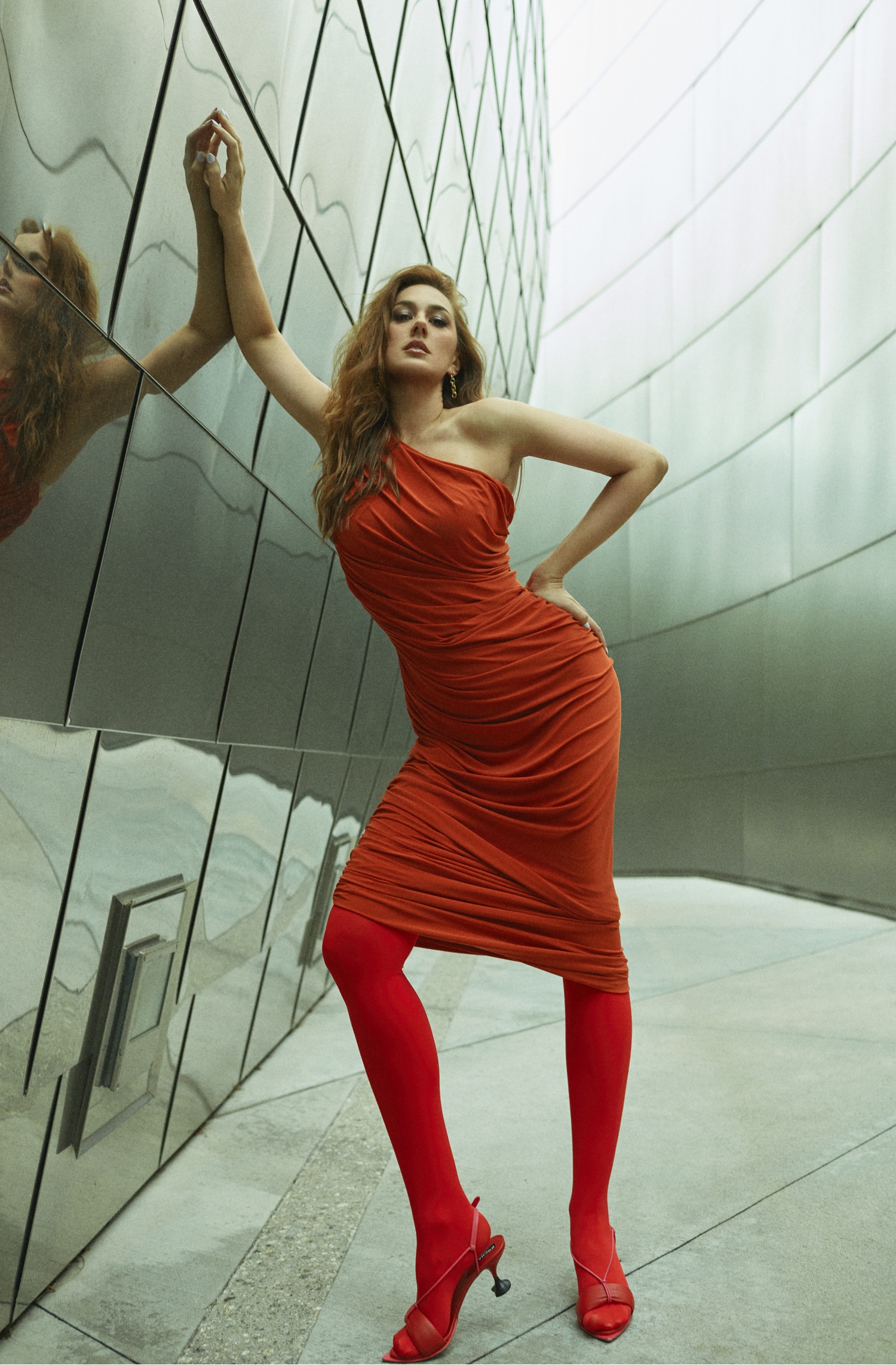
Model: Adina Butar @adinabutar
Fotografiji: Edward Aninaru @edward_aninaru
Make up: Sameerah Hoddison @sameetatu
Styling: Olya Anikina @thebabybabushka