

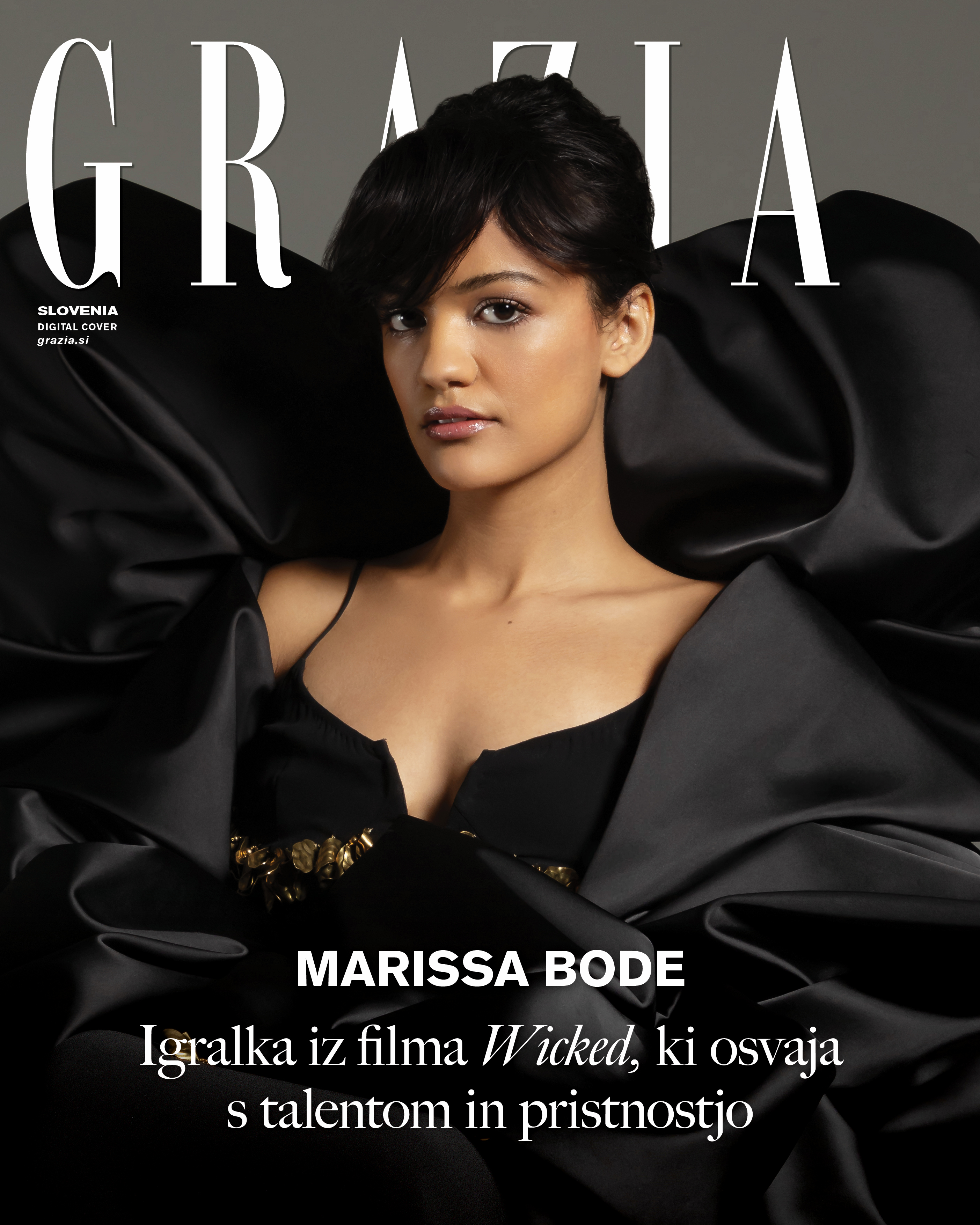
Na seznamu najbolj zanimivih mladih hollywoodskih igralk te sezone preprosto ne more manjkati Marissa Bode. Petindvajsetletna igralka je lani navdušila v filmu Wicked, letos pa se vrača v vlogi Nessarose, mlajše sestre Elphabe, ki jo igra Cynthia Erivo, v nadaljevanju Wicked: For Good. Tako kot prvi del se tudi nadaljevanje obeta kot velika filmska uspešnica in Marissa je nad tem več kot navdušena. Z mlado zvezdnico smo se pogovarjali, ko je sproščeno in dobre volje uživala doma v Los Angelesu ter z nami delila svoje misli o novih zapletih v filmu. Lani poleti je zaključila tudi snemanje kratke grozljivke.
Kaj te je kot otroka pritegnilo k igranju?
Marissa: Začela sem bolj iz zabave in zaradi druženja, ko sem bila stara osem let, v lokalnem skupnostnem gledališču. No, tehnično sem bila še sedemletna, ampak rojstni dan sem imela čez nekaj dni. To je bil moj prvi igralski razred – pretvarjala sem se, da sem stara osem.
Očitno ti je uspelo?
Marissa: (smeh) Očitno res. Veliko sem posnemala starejšega brata in ker je on igral, sem hotela tudi jaz.
Sta samo vidva?
Marissa: Ja, samo midva. On je dve leti starejši. Igralske tečaje je obiskoval občasno, a je res veliko delal. Po mojem mnenju celo preveč.
Diplomirala si na American Musical and Dramatic Academy v Los Angelesu. Kaj bi počela, če ne bi postala igralka, glede na to, kako težko je uspeti?
Marissa: Bila sem zelo blizu temu, da bi šla na povsem drugo šolo. Razmišljala sem precej realistično – o izobraževanju na področju umetnosti in delu z otroki. Z otroki sem že prej delala in to res obožujem. Po študiju sem delala kot popoldanska učiteljica umetnosti in mentorica pri programu Big Brothers. Wicked sem dobila še medtem, ko sem bila tam zaposlena, kar je bilo neverjetno, a hkrati grenko-sladko, ker sem otroke res vzljubila.
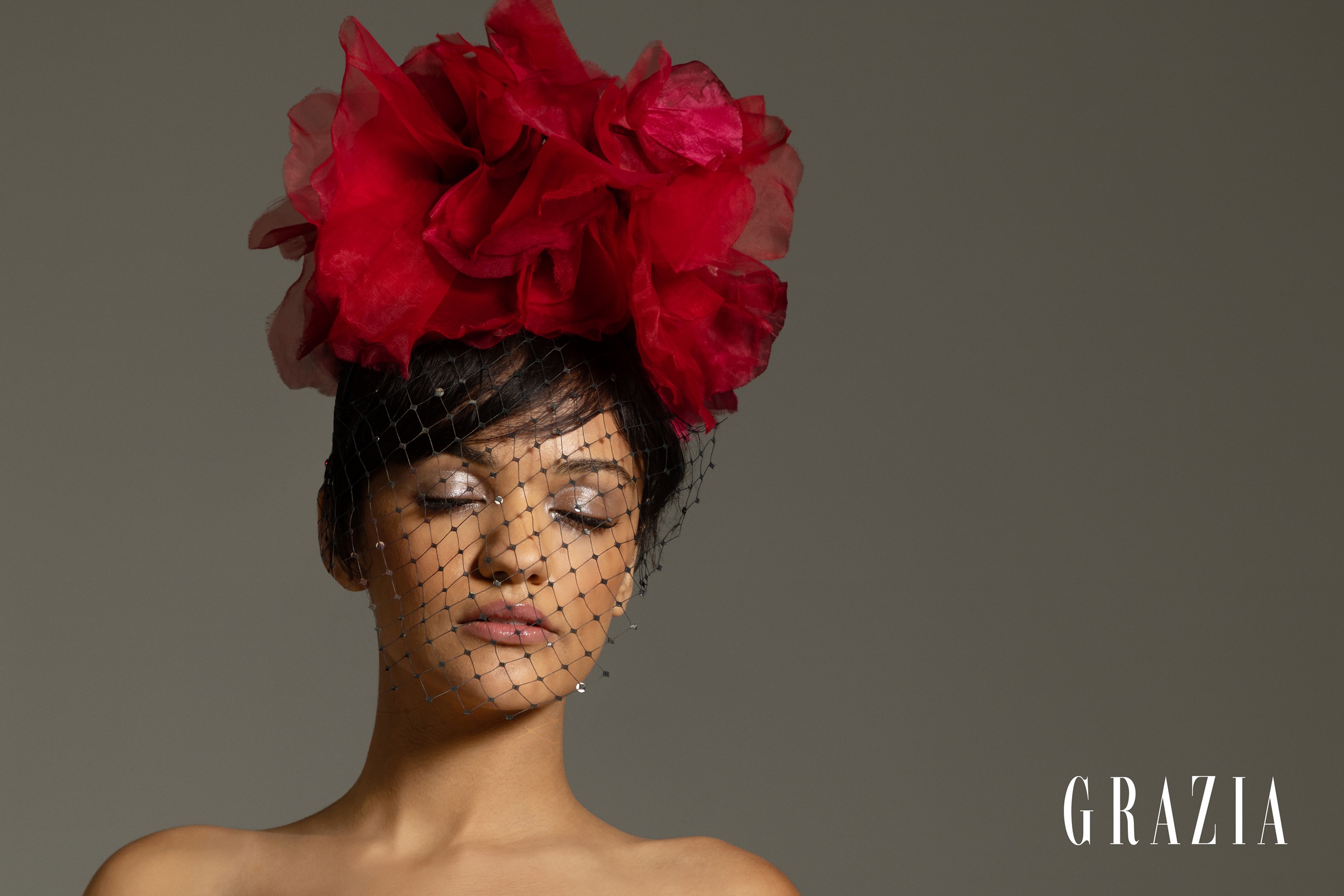
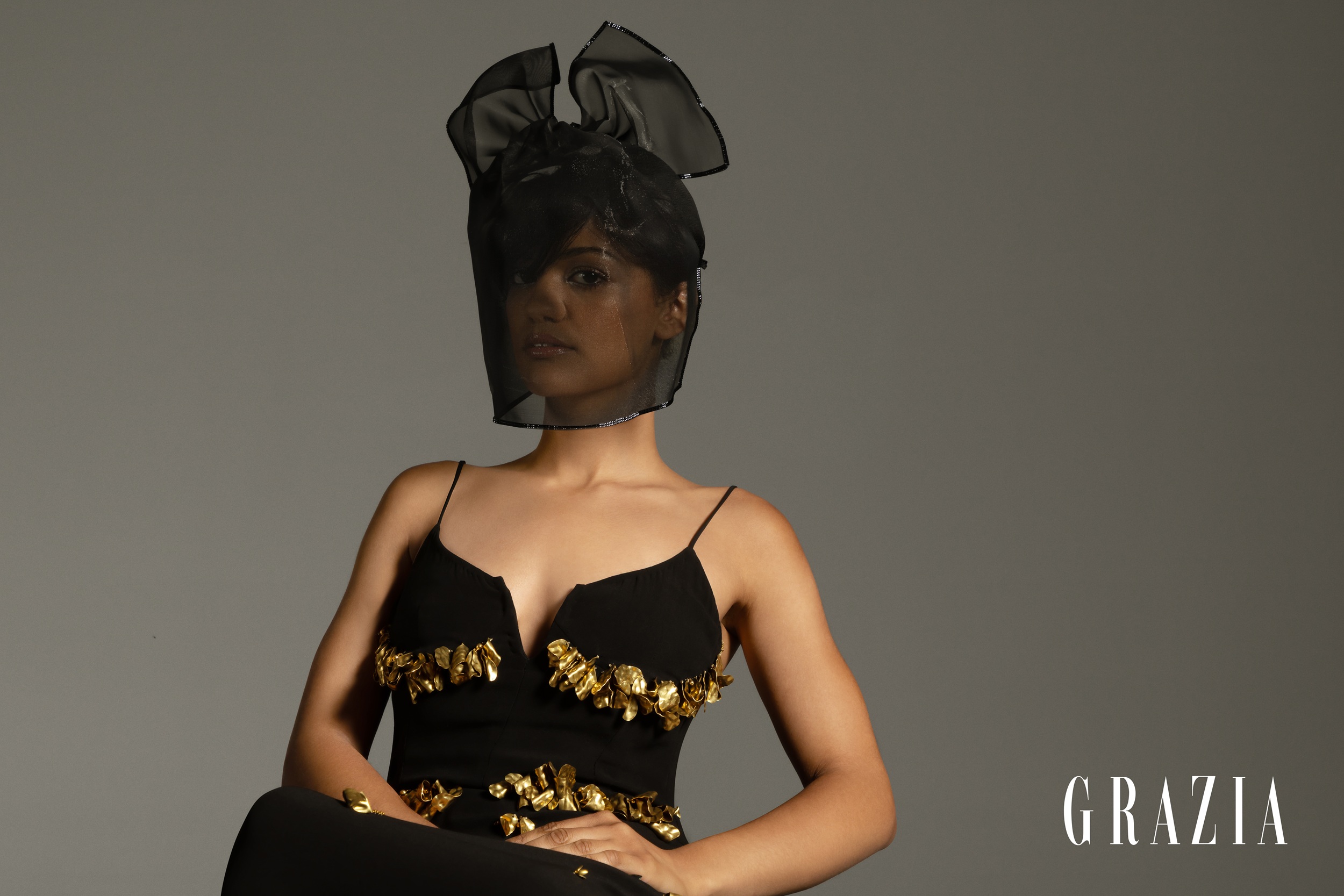
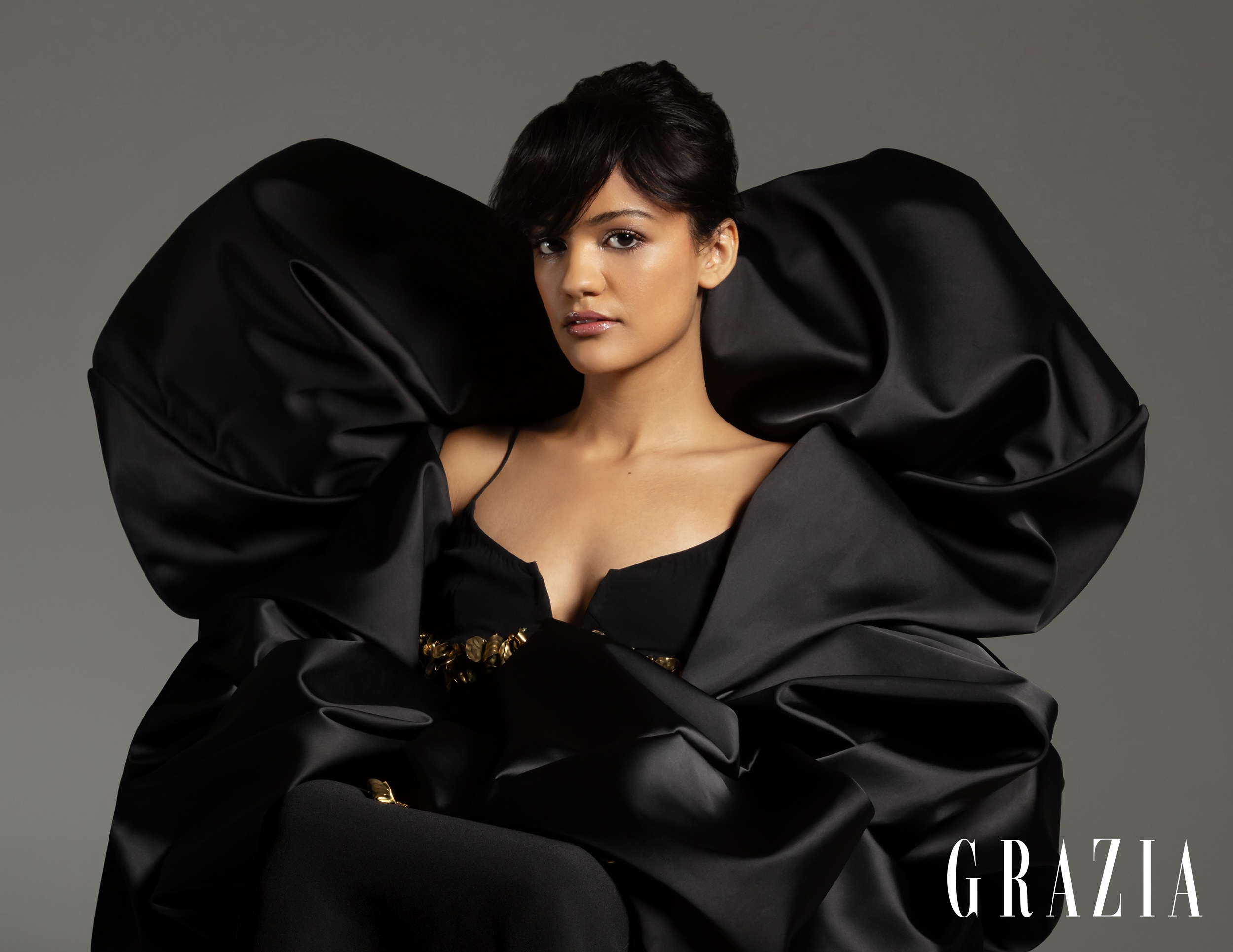
Naglavni okras: Piers Atkinson (The Residency Experience)
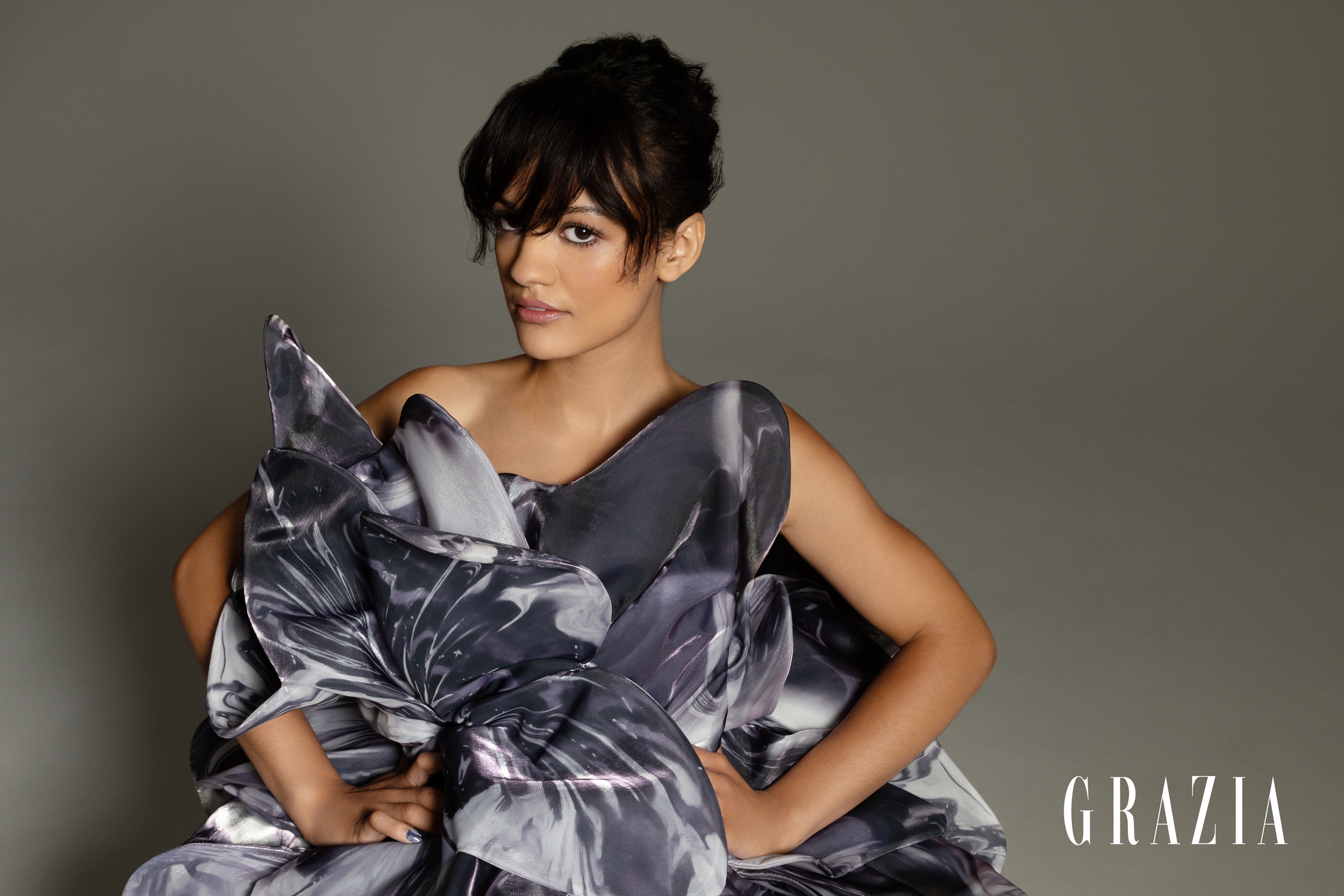
Obleka: Charles & Ron (Maison Privee)
Tudi sama si umetnica. Videla sem tvoje slike na Instagramu in morda bom nekoč investirala v eno.
Marissa: Hvala! Tudi to sem »podedovala« po bratu. Vedno je rad risal in je študiral vizualne komunikacije. Sama še nikoli nisem resno razmišljala o prodaji, sem pa razmišljala, da bi svoje ilustracije prenesla na oblačila.
Vloga Nesse je res nepozabna. Kako si se pripravljala nanjo?
Marissa: Veliko sem uporabila znanje s fakultete. Delali smo vaje, kjer zapolniš praznine v liku in si ustvariš njegovo ozadje, ne le to, kar piše v scenariju. Pri Nessi sem se poglobila v njeno otroštvo, v odnos do plesa in do sestre. Seveda jo ima rada, a hkrati si želi samostojnosti – in prav to sem raziskovala.
Med obema filmoma je tudi časovni preskok. Razmišljala sem, kdaj in zakaj se njena žalost in občutek zapuščenosti preoblikujeta v grenkobo. Kje se zgodi ta prelom.
Si zelo povezana z bratom. Si to uporabila pri pripravi na vlogo?
Marissa: Deloma, ja. Tudi jaz sem mlajša sestra. Z bratom se ne slišiva ves čas, a dovolj, da veva, da sva si blizu. Pri Nessi pa Elphaba popolnoma izgine iz njenega življenja. Poskušala sem si predstavljati, kako bi bilo, če bi se to zgodilo meni.
Nessa včasih ne vidi širše slike in zna biti sebična. Jaz pa … imam anksioznost. (nasmeh in znak miru) Vse analiziram. Ona pa veliko izhaja iz bolečine. In to je zelo človeško.
Zdi se, da te zanima moda?
Marissa: Absolutno. Moda je bila zame vedno način izražanja. Šla sem skozi različne faze – kar je del odraščanja.
Kako bi opisala svoj slog?
Marissa: Težko ga opredelim. En dan sem zelo dekliška, drug dan bolj alternativna, tretji retro ali vintage. Rada hodim v second hand trgovine. Letos pa sem se ob vseh glamuroznih oblekah naučila, kako pomembna je dostopna moda. Zelo sva se ukvarjala s tem, kako oblačila delujejo v resničnem življenju – ko sediš, ne le ko stojiš.
Film ti daje veliko platformo. Kako se ob tem počutiš?
Marissa: Zelo sem vznemirjena – tako za invalide kot za neinvalidno občinstvo. Nessa ima v drugem delu nekoliko drugačne želje kot v gledališki verziji.
Veliko ljudi domneva, da si invalidi najbolj želijo »ozdravitve«, a pogosto gre v resnici za to, da si želimo biti videni in ljubljeni takšni, kot smo.
Veliko ljudi ne ve, kako pristopiti …
Marissa: Invalidnost je velik del naše identitete, ni pa edino, kar smo. Delamo, imamo prijatelje, hodimo ven. Želim si, da bi to pogosteje videli tudi na zaslonih.
Ko je invalidnost vedno predstavljena kot nekaj slabega, to vpliva tudi na to, kako se ljudje počutimo sami s sabo. Spomnim se, ko sem šla kupit piškote in mi je prodajalka rekla: »Prišla si sama? Kako pogumno.«
Kraljica, samo piškote sem hotela kupit.
Naša osrednja vrednota ni invalidnost, temveč osebnost in samostojnost.
___________________________________________________________________________________________
One of Hollywood’s most compelling young actresses right now, Marissa Bode is clearly having a moment. The 25-year-old made a striking impression last year in Wicked and now returns as Nessarose, the younger sister of Elphaba (played by Cynthia Erivo), in the highly anticipated sequel Wicked: For Good. Like its predecessor, the second installment is expected to break box office records — and Bode is more than ready for what’s to come. We caught up with the actress while she was relaxing at home in Los Angeles, upbeat and excited to talk about the twists and emotional depth of the new film. Last summer, she also wrapped filming a short horror project.
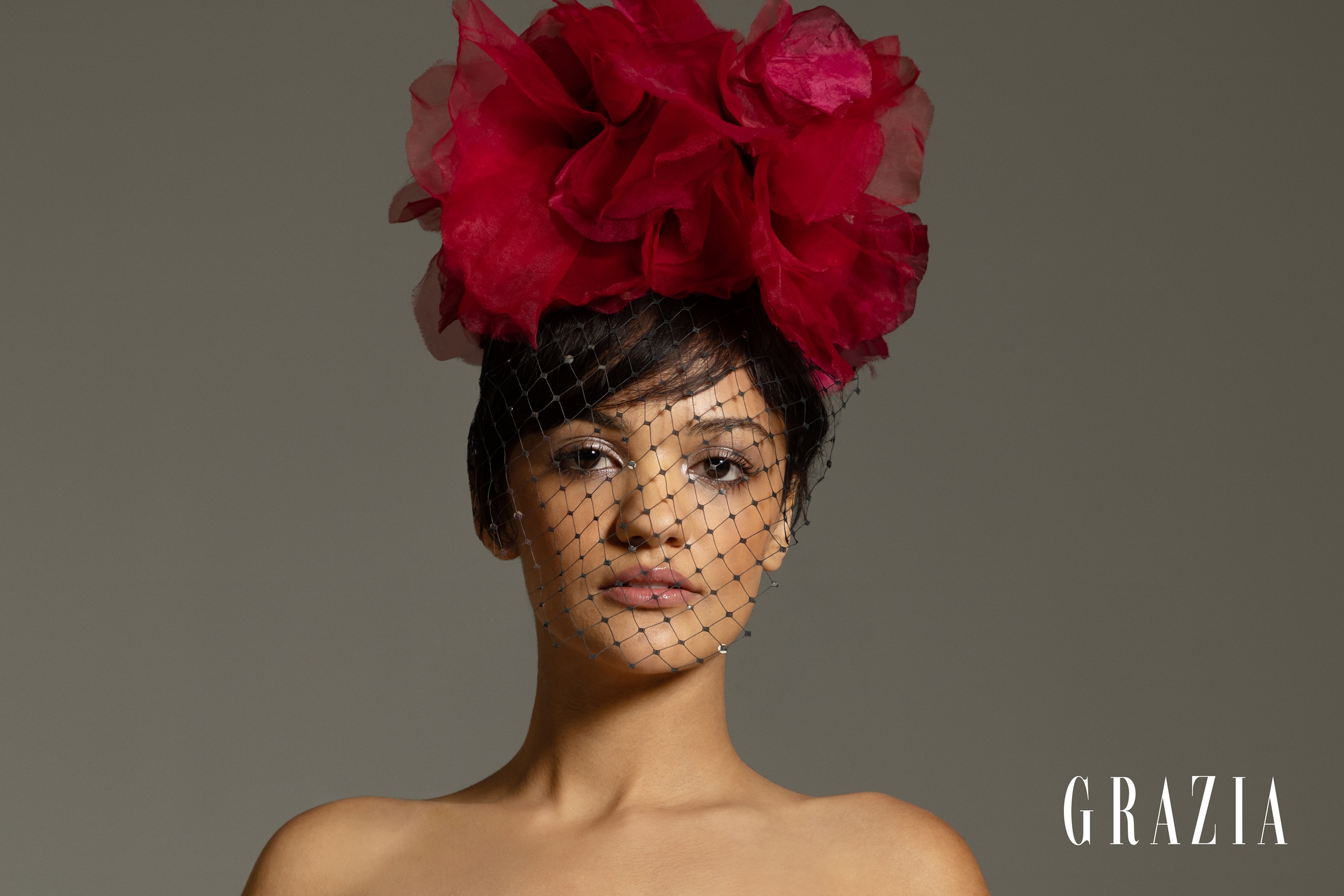
Naglavni okras: Piers Atkinson (The Residency Experience)
 What first drew you to acting as a child?
Marissa Bode:
I started acting mostly for fun and for social reasons when I was about eight, in local community theater. Technically, I was still seven — my birthday was just a few days away — but that became my very first acting class: pretending I was already eight.
And you clearly pulled it off?
Marissa:
(Laughs) I guess I did. I also loved copying my older brother. He was doing it, so naturally I wanted to do it too.
Is it just the two of you?
Marissa:
Yes, just us. He’s two years older. He took acting classes on and off and worked a lot — honestly, probably too much.
You graduated from the American Musical and Dramatic Academy in Los Angeles. Given how tough the industry is, what would you be doing if acting hadn’t worked out?
Marissa:
I was actually very close to choosing a completely different path. I took a more realistic approach and considered going into arts education. I’ve always loved working with kids. After college, I worked as an after-school art teacher and mentor with Big Brothers. I booked Wicked while I was still working there, which was incredible — but also bittersweet, because I really loved those kids and working with them through art.
You’re an artist yourself. I’ve seen your work on Instagram — I might have to invest in a Marissa Bode painting one day.
Marissa:
Thank you! That’s another thing I picked up from my brother. He’s always loved drawing and studied visual communications. I’ve never seriously tried to sell my art, but at one point I did think about putting my designs on clothing.
You landed this unforgettable role as Nessarose. How did you prepare for the character?
Marissa:
I used a lot of what I learned in college. We did exercises where you expand beyond what’s written on the page and fill in the blanks of a character’s life.
For Nessa, I explored her early childhood, how she truly felt about dancing and about her sister. Of course she loves Elphaba, but she also deeply wants autonomy — and that became a big focus for me.
There’s also a time jump between the two films. I really thought about where Nessa goes emotionally — from feeling abandoned and grieving her sister to becoming bitter. I wanted to understand where that shift happens.
You seem very close to your brother. Did that sibling relationship help you prepare?
Marissa:
A little, yes. I’m the younger sibling, too. My brother and I don’t talk all the time, but we talk enough to know we care deeply about each other.
For Nessa, though, Elphaba disappears completely. I imagined what that would feel like — being abandoned by someone you love.
Nessa doesn’t always see the full picture and can be selfish at times. I’m… very analytical. I have anxiety. (She laughs and flashes a peace sign.) I overthink everything. Nessa, on the other hand, acts from a place of hurt — and that’s very human.
You seem genuinely interested in fashion. Is that true?
Marissa:
Absolutely. Fashion has always been a form of self-expression for me. I’ve gone through so many phases — which is really just part of growing up.
How would you describe your personal style?
Marissa:
I don’t think I have just one style. One day I’m very girly, another day more alternative. Sometimes retro, sometimes vintage. I love thrifting.
This past year, especially with all the glamorous dresses I’ve worn, I’ve learned how important accessible fashion is. My partner and I have really been navigating that — how clothes look not just when you’re standing, but when you’re sitting, moving, actually living in them.
The film gives you a big platform. How do you feel about that?
Marissa:
I’m incredibly excited — for both disabled and non-disabled audiences.
Without giving too much away, Nessa’s desires in part two are different from the stage musical. There’s often an assumption that a disabled person’s greatest wish is to be “fixed.” While that can be true for some people, for many of us — and for Nessa — the deeper desire is simply to be loved and seen for who we are.
Many people aren’t sure how to approach disability in everyday life.
Marissa:
Disability is a big part of who we are, but it’s not all we focus on. We work. We go out. We have friends. I’d love to see more of that reflected on screen.
When disability is constantly portrayed as something negative, it affects how society views us and how we view ourselves. I remember once buying cookies and someone told me, “You came all this way by yourself? You’re so brave.”
Queen — I just wanted my Thin Mints.
Yes, someone may be disabled, but their main focus is their humanity and autonomy, not their disability.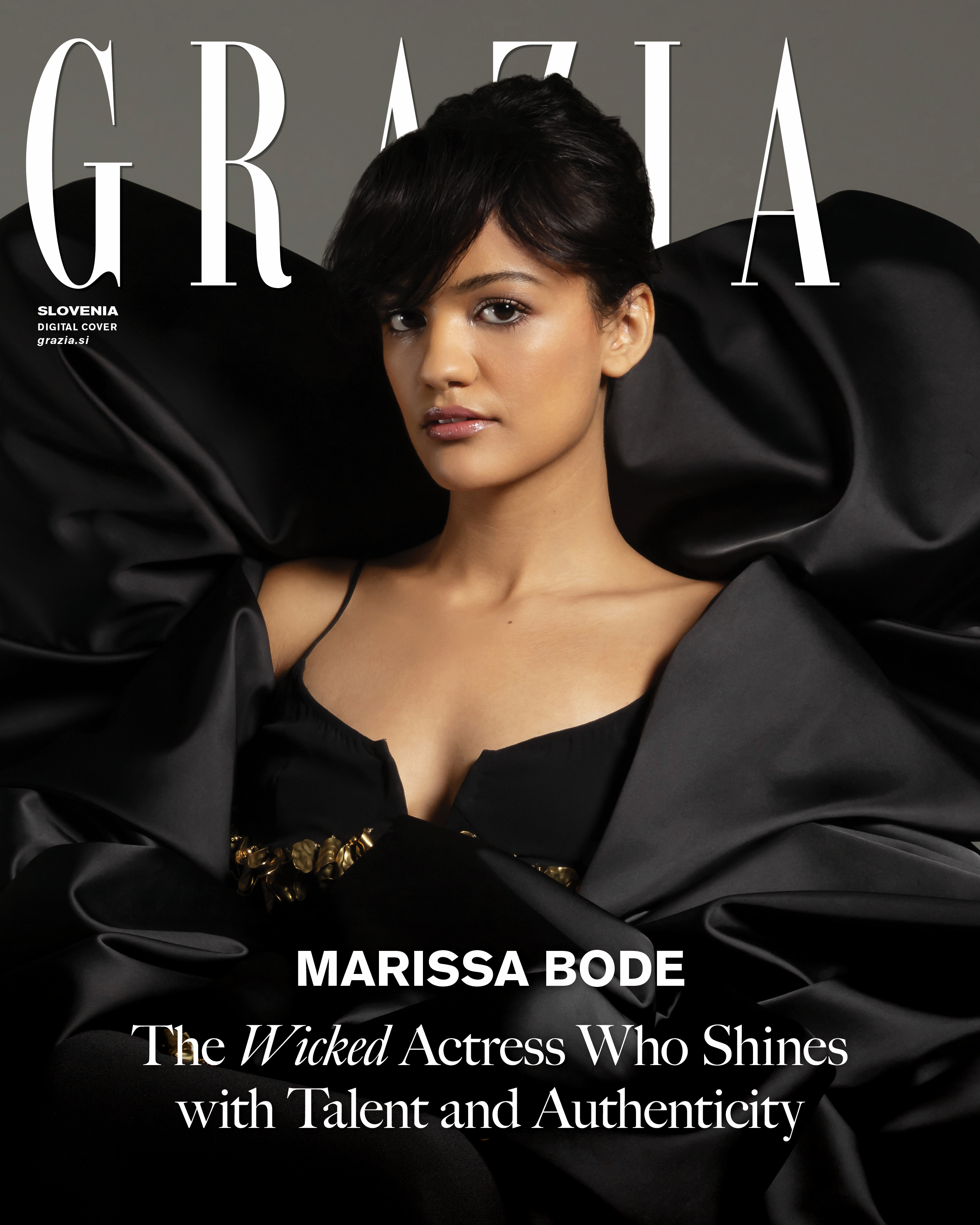
Več o nastajanju naslovnice najdete na videu: Marissa Bode x GRAZIA Slovenia

Intervju: Constance C. R. White

Lokacija: Splashlight Studios @splashlightstudios (posebna zahvala Beatrice in Benoit iz Spalshlight Studios)
Model: Marissa Bode @marissa_edob (Authentic Management @authenticmgmt)
Fotografije: Tom Marvel @tommarvelphotography
Kreativno vodstvo: Cannon @thecannonmediagroup (Atelier Management @ateliermgmt)
Osvetlitev: Murat Ozdemir @1muratozdemir1
Vodja video produkcije: Edsta @edsta
Produkcija: Winnie Noan @winnie_noan
Vodja modne ekipe: Max Reid @lu3alo (She Is Maia @sheismaia_agency)
Tehnika in digital: Jonathan Pivovar @jono_digital
Asistent osvetlitve: Hector Adalid @hectoradalid
Fotografska ekipa: Michele Swain @michelewihelminaphotography, Eric Wallace, @polymathicwallace & Helen Chi @misshelenchic
Grip: George Pepe @gspepe Mario Rubino @mariorubinoo_ , Alice Chan @_alisss.c_ , Sofia Sinzmeyer @sofiazinsmeyer, Hailey Hendershot @haileyyhendershot, Mijael Gormes Pinchanski @mijaelpin
Pričeska: Linh Nguyen @linhhair (See Management @seemanagement z izdelki Amika @amika)
Ličenje: Brian Duprey @brianduprey (Judy Casey Inc @judycaseinc z izdelki Make Up For Ever @makeupforever , Viseart @viseart in Covergirl @covergirl)
Manikura: Casey @caseynails (The Wall Group @thewallgroup z izdelki Kiss Nails @kissproductsuae)

Posebna zahvala: Gabriela Aguilar, Alissa Goodman, Tessa Robinson, Hayley Syrett, Tanner, Fiona Winch, Lauren Auslander