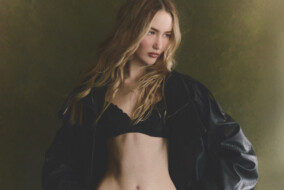
Olviya Kukhtaruk: kar se ne vidi v kadru
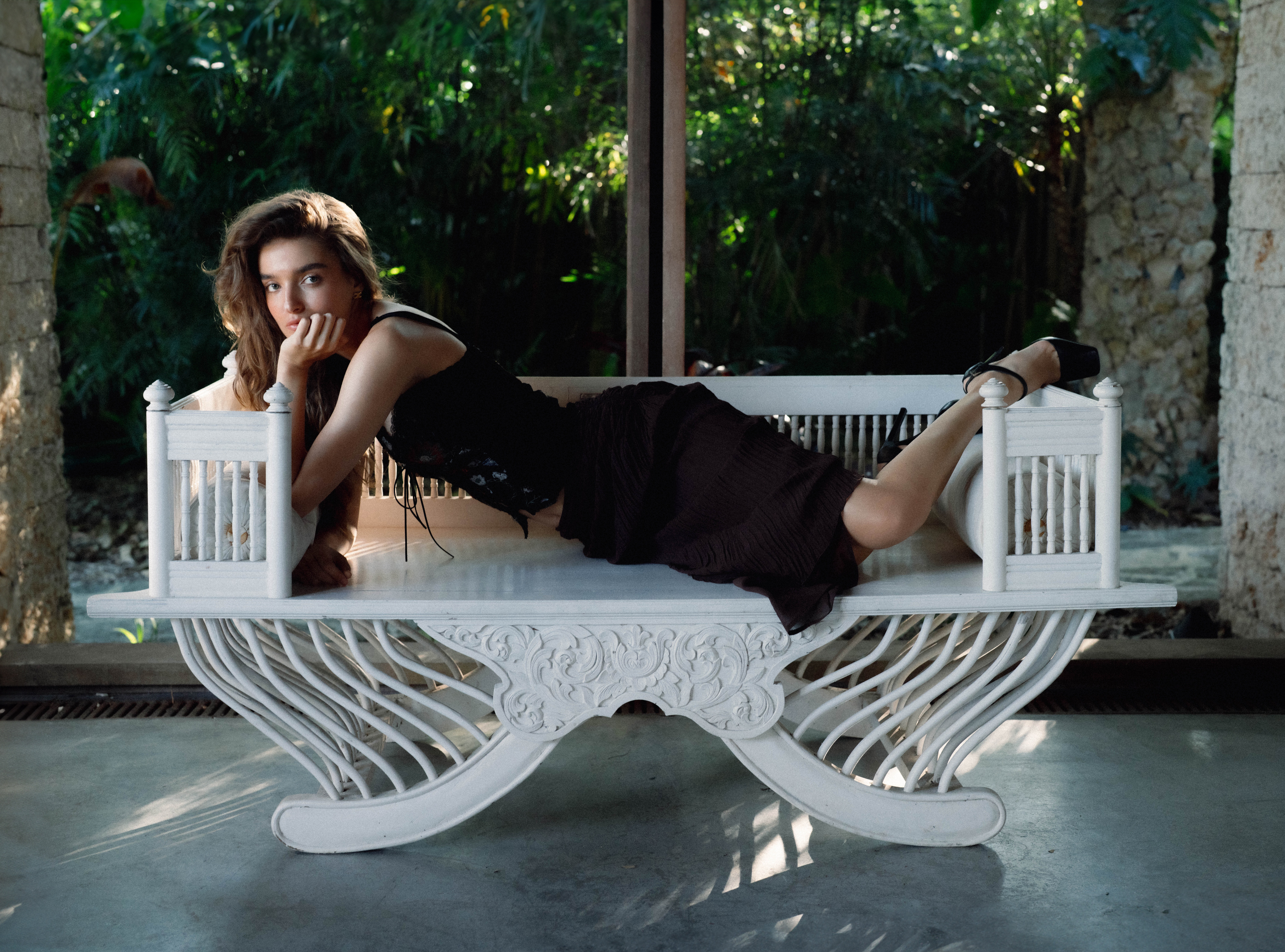
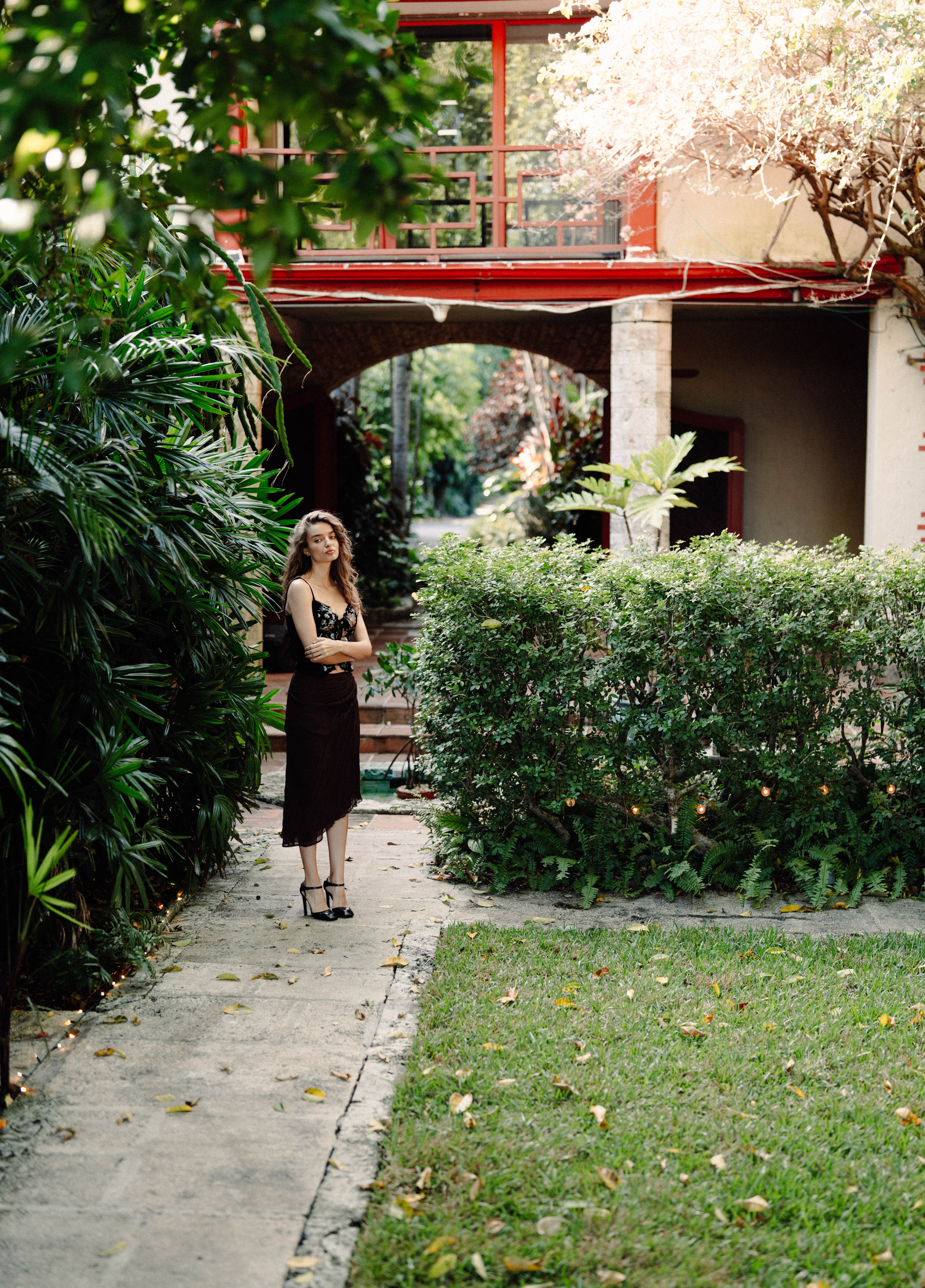
Olviya je ena tistih redkih manekenk, ki ne ostaja zgolj pred objektivom, temveč s svojim delom soustvarja tudi standarde modne industrije. Sodelovala je z uglednimi znamkami, kot so Chopard, LOEWE in Nikon, ter se pojavila na straneh revij Harper’s Bazaar, Elle in L’Officiel. Kot obraz naslovnice Marie Claire Ukraine je svojo prisotnost v svetu mode še dodatno utrdila. Tokrat pa z nami deli pogled v zakulisje manekenskega poklica – od trenutkov pred kamero do vsega tistega, kar ostaja očem javnosti pogosto skrito.
Povejte nam o snemanju Nikonovega dogodka – kako se je to sodelovanje tehnično razlikovalo oziroma kako ste pristopili k delu pred objektivom?
V osnovi je šlo predvsem za število objektivov, s katerimi sem morala delati hkrati. V Ukrajini sem opravila nešteto snemanj v okviru različnih fotografskih delavnic, kjer sem se naučila svojo pozornost razporejati med več fotografov. Na tej Nikonovi delavnici je v treh dneh sodelovalo okoli 100 fotografov, zato je bilo delo na dogodku takšnega obsega zahtevno, a hkrati izjemno zanimivo. Ko je okoli vas toliko ljudi in želi vsak od njih pritegniti vašo pozornost, potrebujete veliko notranje zbranosti in predvsem razumevanje, kako graditi kader.
Predstavitev novega fotoaparata je vznemirljiv in pomemben trenutek tako za znamko kot za uporabnike, ki ga nestrpno želijo preizkusiti. Z vidika modela vzpostaviš s fotografi skorajda mentalno-verbalno povezavo. Omogočiš jim, da začutijo ritem, v katerem delaš: pogled z očmi zaporedoma usmerjaš k objektivu vsakega fotografa, nato pa približno 3–4 sekunde zadržiš pogled in pozornost pri njem. Tako si ustvariš lasten delovni ritem, ki omogoči, da vsak fotograf dobi svoj posnetek, hkrati pa preprečiš kaos.
Kako delate s svetlobo na setu – jo začutite sami ali je pri tem pomembnejše zaupanje fotografu?
Tako kot na vsakem področju ima tudi manekenstvo svoja pravila dela s svetlobo. Po mojem mnenju mora model svetlobo razumeti in jo znati aktivno uporabljati na setu – s tem prihrani čas in pokaže profesionalnost. Osnovno zavedanje lastnega telesa in predmetov okoli sebe v prostoru je bistveni del dela na setu.
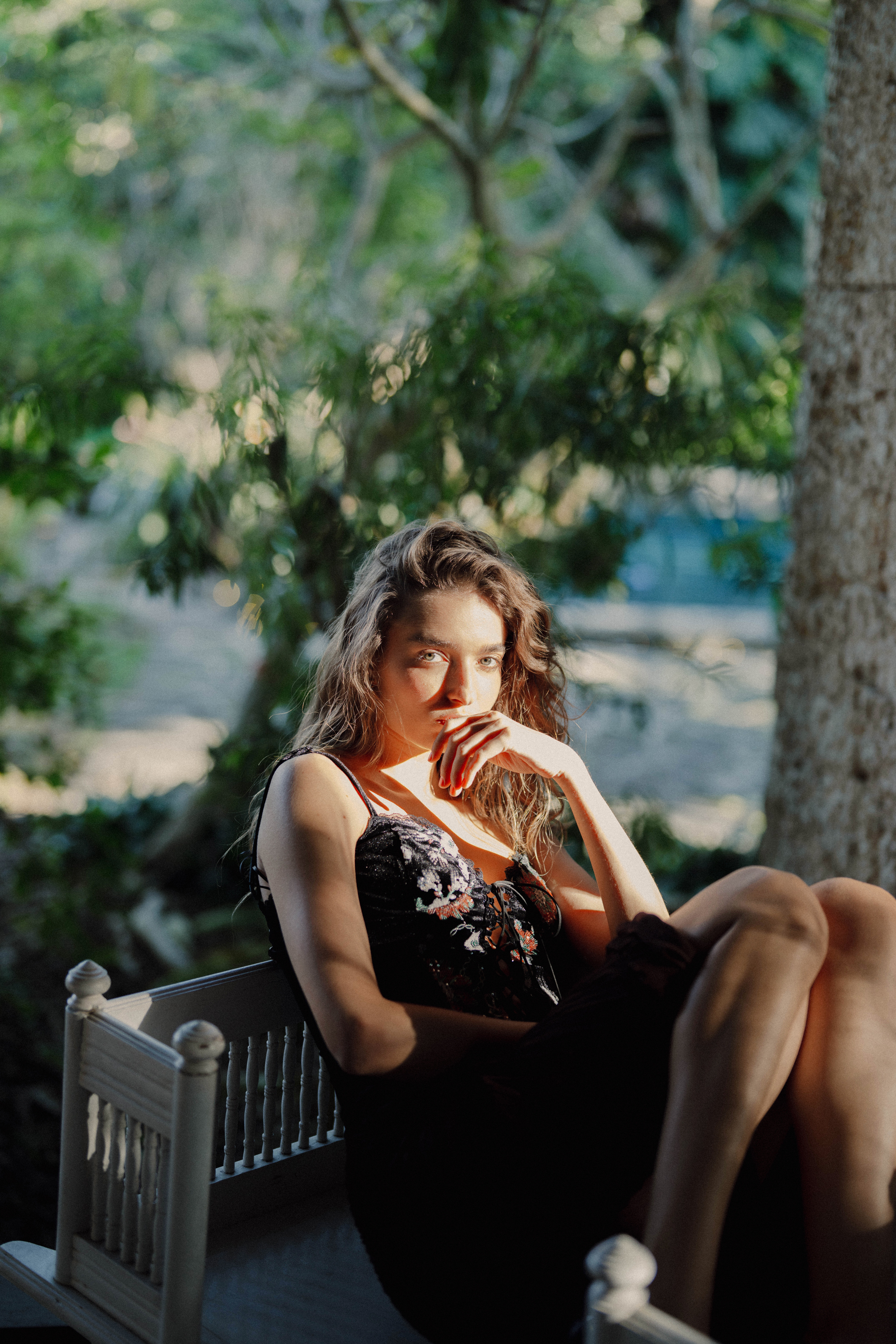
Pri dnevni svetlobi najprej poiščeš vir svetlobe, običajno okno, fotograf pa lahko uporabi tudi reflektor, da svetlobo usmeri tja, kjer jo potrebuje. V studiu je nekoliko lažje, vendar tudi takrat, ko stopim v kader, takoj ocenim, v katero smer naj se obrnem, kaj lovi odsev ter kakšen naj bo položaj in naklon mojih rok, telesa in obraza. To je osnova in brez tega preprosto ne moreš delati.
Iskreno bi priporočila nenehno samoanalizo sebe in svojega dela, saj tako veliko lažje opaziš napake. Če je med odmori čas, včasih fotografa prosim, da mi pokaže nekaj posnetkov. Tako zelo hitro razumem njegov sistem in ugotovim, kako moram prilagoditi svoje delo.
Ne glede na to, kako dobro model razume svetlobo, pa fotograf ostaja ključna povezava med modelom in odličnim končnim rezultatom. On je tisti, ki vidi celotno sliko. Zato je pomembno, da delamo kot ekipa in prisluhnemo vsaki njegovi želji oziroma navodilu.
Olviya Kukhtaruk: WHAT THE CAMERA DOESN’T SEE
Olviya is one of the rare models who does more than simply stand in front of the camera – she is also helping shape the standards of the fashion industry. She has worked with prestigious brands such as Chopard, LOEWE, and Nikon, and has appeared in the pages of Harper’s Bazaar, Elle, and L’Officiel. As the cover face of Marie Claire Ukraine, she has further established herself as a distinctive presence in the fashion world. Now, she takes us behind the scenes of modelling, sharing what truly happens beyond the camera – and revealing the reality of a profession that often looks effortless from the outside.
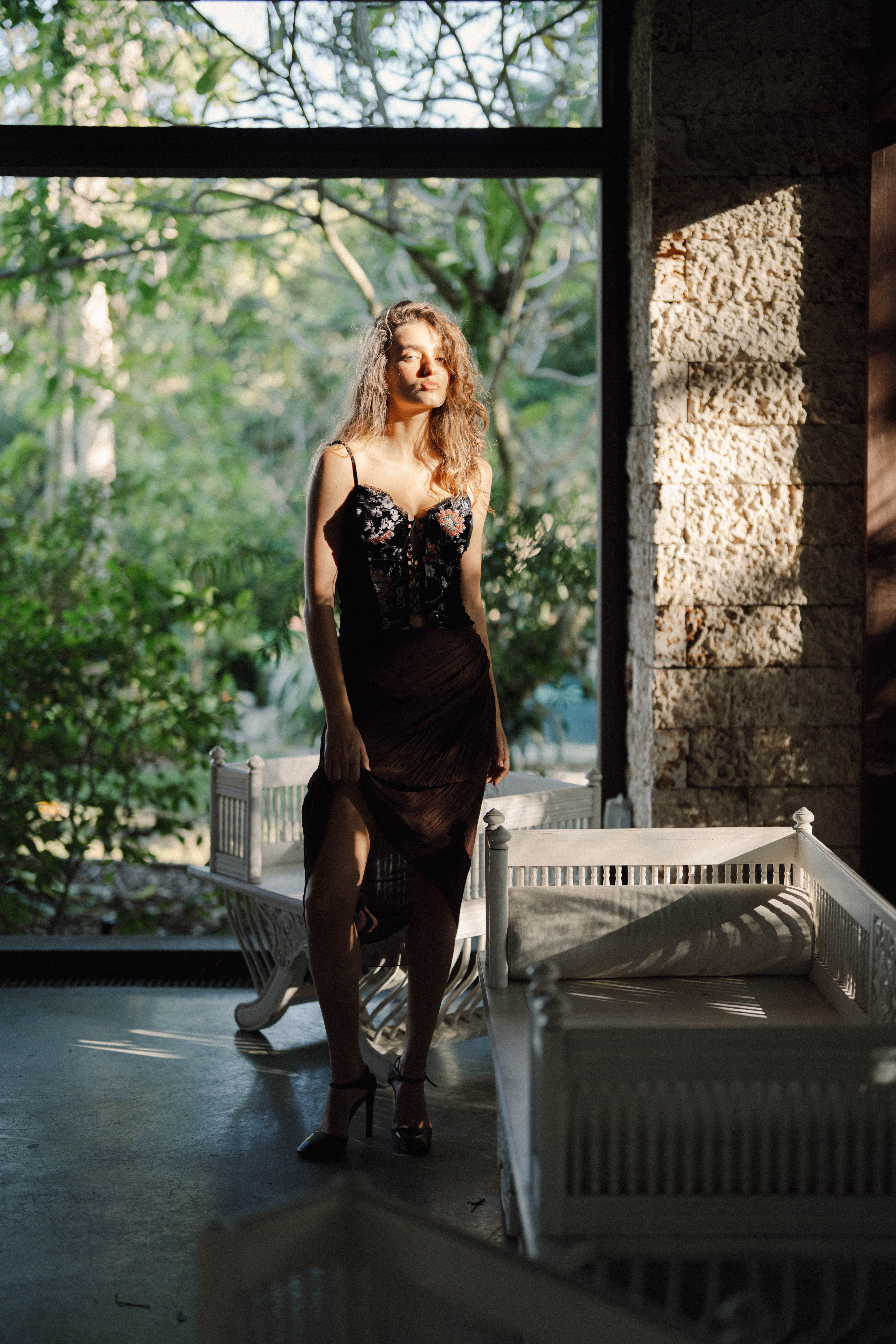
Tell us about shooting the Nikon event – how did that collaboration differ technically or in your approach to the frame?
Fundamentally, it came down to the number of lenses I had to engage with at once. Back in Ukraine, I did countless workshop shoots, where I learned to divide my attention between photographers. This Nikon workshop brought together around 100 photographers over three days working at an event of that scale is a demanding but genuinely fascinating experience, because you have a large number of people, each wanting to pull all the attention toward themselves. It requires real inner steadiness and an understanding of how to build a frame. Launching a new camera is an exciting, high-stakes moment both for the brand and for the users eager to try it. From the modeling side, you build a connection with the photographers almost on a mental-verbal level. You let them understand the rhythm you’re working in: your eyes move in sequence to find each photographer’s lens, and for about 3–4 seconds you hold your gaze and attention there. That way, you develop your own working sequence, which lets everyone get their shot and avoids chaos.
How do you work with light on set – do you sense it yourself, or is it more about trusting the photographer?
As in any field, modeling has its own rules for working with light. In my view, a model should understand and actively use these skills on set it saves time and shows professionalism. A basic sense of yourself and the objects around you in space is an essential part of working on a set. In daylight, you look for the light source usually a window or the photographer might use a reflector to bring light where it’s needed. In a studio it’s a bit easier, but even so, the moment I step into frame I immediately assess which way to turn, what’s catching a reflection, the angle and tilt of my hands, body, face. There’s a foundation, and you can’t work without it. I’d genuinely recommend constant self-analysis of yourself and your work it makes it much easier to spot mistakes. Sometimes, during breaks, if there’s time, I’ll ask the photographer to scroll through a few shots, and right away I understand the system and how I need to work. But no matter how well a model understands light, the photographer remains the key link between the model and a great result. They’re the one who sees the full picture it’s important to work as a team and listen to every request they make.
Speaking of different types of shoots – Chopard (jewelry), L’Oréal (cosmetics), or LOEWE (clothing/accessories) – which do you enjoy most?
Three completely different kinds of work. I’d say I love them equally. I adore working with fine gemstones and designers who always build meaning into every piece. I genuinely believe diamonds, emeralds, or rubies carry their own energy, one you absorb while wearing them. The value of these pieces isn’t only in their price, but in the intention, the energy, and the feeling that comes with putting them on. Both jewelry and cosmetics bring a kind of joy to my sense of femininity – I love being surrounded by beauty and looking beautiful. LOEWE is a completely different physical experience: what matters there is how a piece sits – how the fabric falls, how the silhouette moves, and even the smallest folded sleeve or misaligned pleat can ruin the whole shot. There, I think more with my body than my face, posture, the line of the shoulders, how the clothing “breathes” in frame.
As for the technical side, working with jewelry, like cosmetics, requires real care. One unnecessary movement can shift an earring right as the shot is taken, or an accidental touch to the face can leave a fingerprint and ruin the perfection of the look. But I’d call that just part of the job – none of it takes away from the magic of the moment.
What’s the difference between shooting with a small team versus working when many people are watching at once – the crew, the client, an audience?
Honestly, having a background as an actress, this doesn’t weigh on me much if anything, it makes things easier. A large crew on set is always there for a reason: everyone has their own part to play, which actually makes the model’s job easier. Many people feel the pressure of it, but I’ve grown used to attention, used to the idea that people might see me at less than my best. That kind of ease doesn’t come overnight it built up over many projects, each demanding its own level of focus. Shoots for Harper’s Bazaar and Elle taught me to work at a pace where every second counts and the team is waiting for a result right now. And the chance to be the face of the Marie Claire Ukraine cover taught me that the weight of responsibility can actually feel good when you know you gave everything you had, and the result speaks for itself.
But when it comes to the client rather than the crew, there’s a different kind of discomfort you’re aware the client is evaluating you, your skills, the result you deliver. Future collaboration depends on it. In my experience, most clients are genuinely good, professional people. They might give notes or adjust my work, but I don’t take that personally. It’s a job, after all it’s their project and their vision.
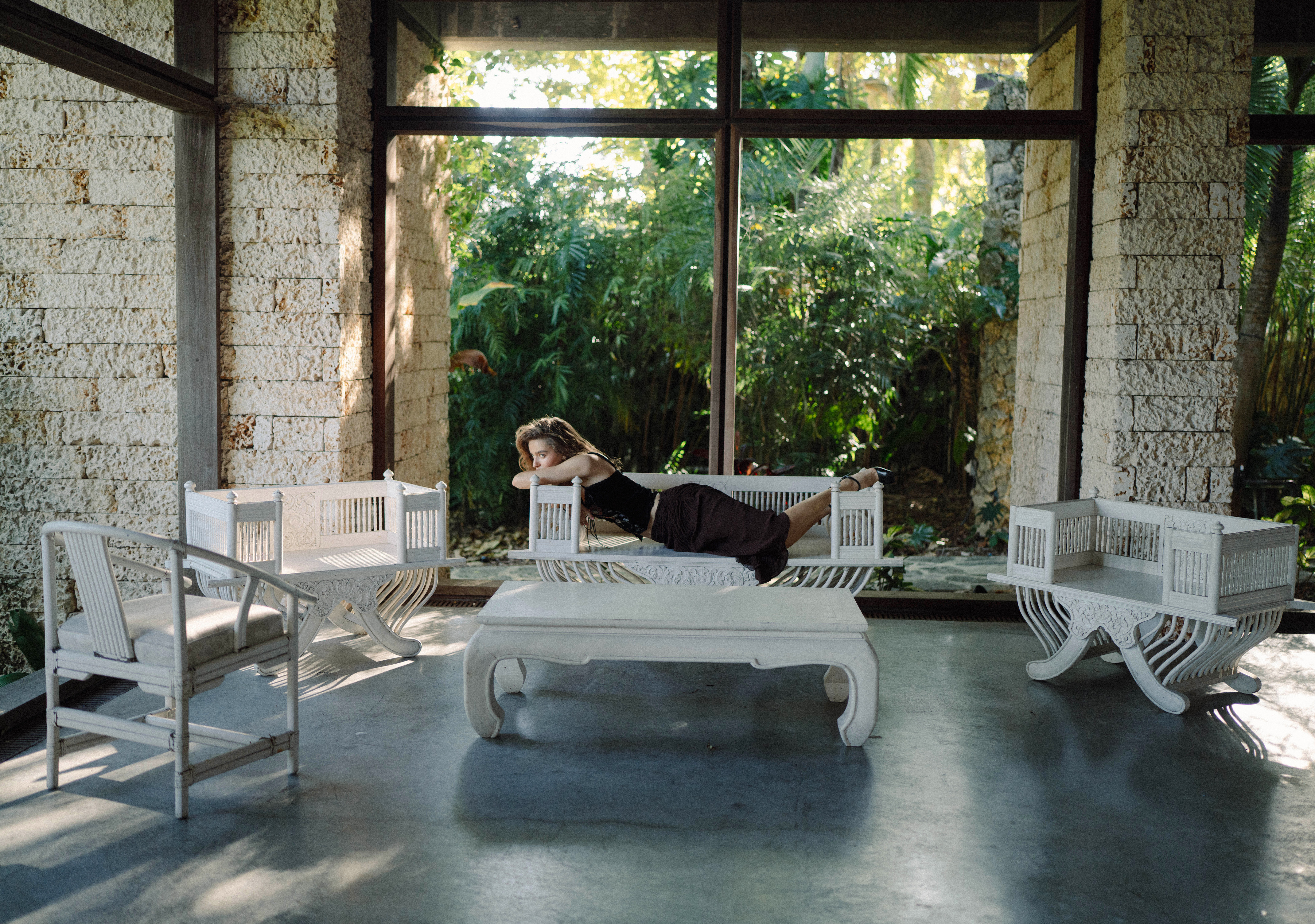
Judging beauty pageants, Miss Beauty of Ukraine – how did that experience change how you see the modeling profession from the inside, and what’s the real difference between a professional model and a pageant contestant?
That experience as a judge at Miss Beauty of Ukraine was a real responsibility for me, because I’ve had the chance to stand on both sides of that process as a pageant contestant myself, and as a model cast for major projects. I’d never blend these two into one, because the criteria for evaluating each are completely different. In a pageant, it typically doesn’t matter how a model handles herself on a working set in difficult conditions – cold, heat, shoes that don’t fit, holding an emotion or understanding a shoot’s concept. That’s specifically about the skill set and appearance of a professional model. A pageant, on the other hand, calls for a talent for self-presentation, individuality, certain personal qualities, and of course a conventional standard of beauty. When I judge, I always pay attention to personality, passions, and values in life – a girl who’s going to wear the Miss crown needs a certain set of qualities that sets her apart from everyone else. Kindness and a charitable spirit matter here too. Judging taught me how important it is to be able to see and recognize certain qualities in others, while also understanding, from my own experience, many of the situations these girls go through.
What kind of photo set do agencies or pageant organizing committees typically expect?
That’s an interesting question. When it comes to snaps – the modeling photos every professional model needs to sign with an agency – I’d say the standards are stricter. Whether it’s a client or an agency, they want to see completely unfiltered material, so these photos are taken without makeup, in a swimsuit or simple clothing that shows the figure. Poses should be as simple as possible, hair in its natural texture, a relaxed expression, and a couple of shots with a smile in natural daylight are fine too. Through hard work and a few tries, I managed to sign with my first major agency in New York – and that’s when I really understood, from my own experience, how important it is not to give up after a first setback.
A pageant committee, on the other hand, is looking for stage presence. The rules around makeup are far more relaxed there – makeup is welcome, but it should enhance a girl’s natural features rather than cover them up. A relaxed portrait with a smile is a good idea, along with a full-length shot in fitted clothing that shows the figure. If they’re interested, they’ll usually ask for additional photos or, more often, invite the girl to an in-person meeting where they can meet and talk face to face.
Olviya, tell us – what actually stays behind the scenes?
People see one perfect shot, but behind it are hours of work: adjusting to the light, the weather, uncomfortable shoes or outfits, dozens of takes before that one moment finally comes together. Endurance matters here just as much as appearance the ability to stay composed when you’re tired, cold, or anxious, and still look like it’s all effortless. I often hear, “It’s not like you’re carrying heavy bags” no, but that doesn’t make my profession any easier for me. I have to live the life a model requires, and that’s constant work and discipline. Routine, exercise, self-control none of that shows up in the final frame. People like to imagine you just step into the shot, get dressed and made up, and there’s nothing hard about it. As for the shoot itself, patience is practically a synonym for most of the actual work: adjusting the lighting, the frame, the fan, so the sun hits you but not too hard. So your hair moves, but to the right, not the left. So the smile is there, but not too big and on and on. Sometimes one good shot takes an hour.
What has modeling given you beyond the profession itself?
Modeling taught me discipline and the ability to adapt quickly one day it’s one shoot, the next an entirely different team, a different task, sometimes even a different country, and you have to be ready instantly. That’s been a huge help both in my studies and in life in general when you can stay calm and focused under pressure, that skill works everywhere, not just in front of a camera. But I’d say the most important part has been the people the ones this industry has brought into my life. Creative souls and personalities who’ve stayed with me through life and inspire me through their own creative work. Modeling taught me that being able to connect with people is one of my strongest qualities the ability to feel and be genuinely moved by people, by the work and creativity around me. Being yourself among a million images, while at the same time being someone else entirely. And I think that’s it the ability to stay yourself while trying on countless images that has become the most valuable lesson I’ve taken far beyond the camera.
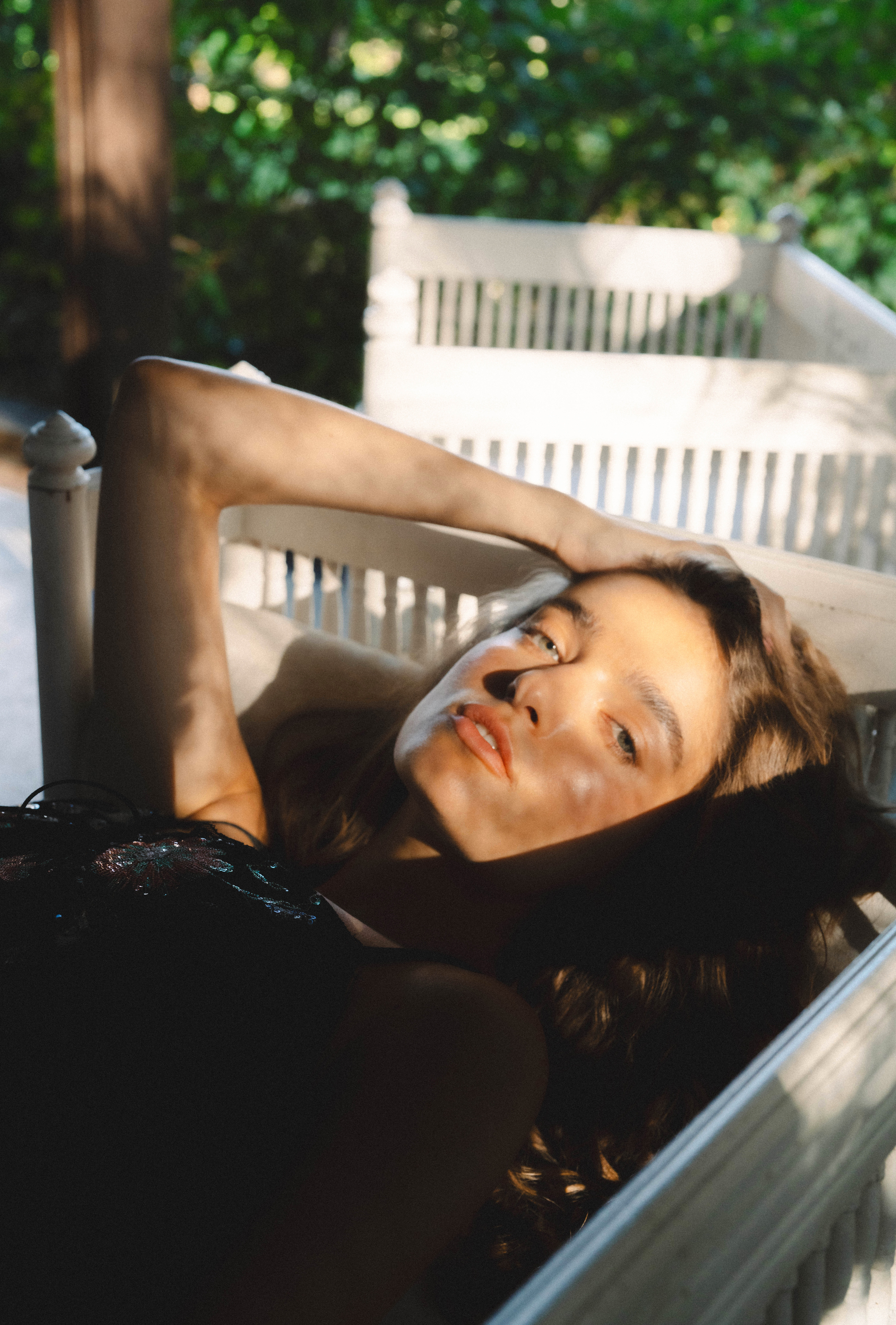
Model: Olviya Kukhtaruk @olviyaaaaa
Fotografije: Katya Zaripova @katya.zari
Stiliranje: Yuliia Tereshchuk @ter_jules__________
Ličenje: Alina Syzonenko @alini.art