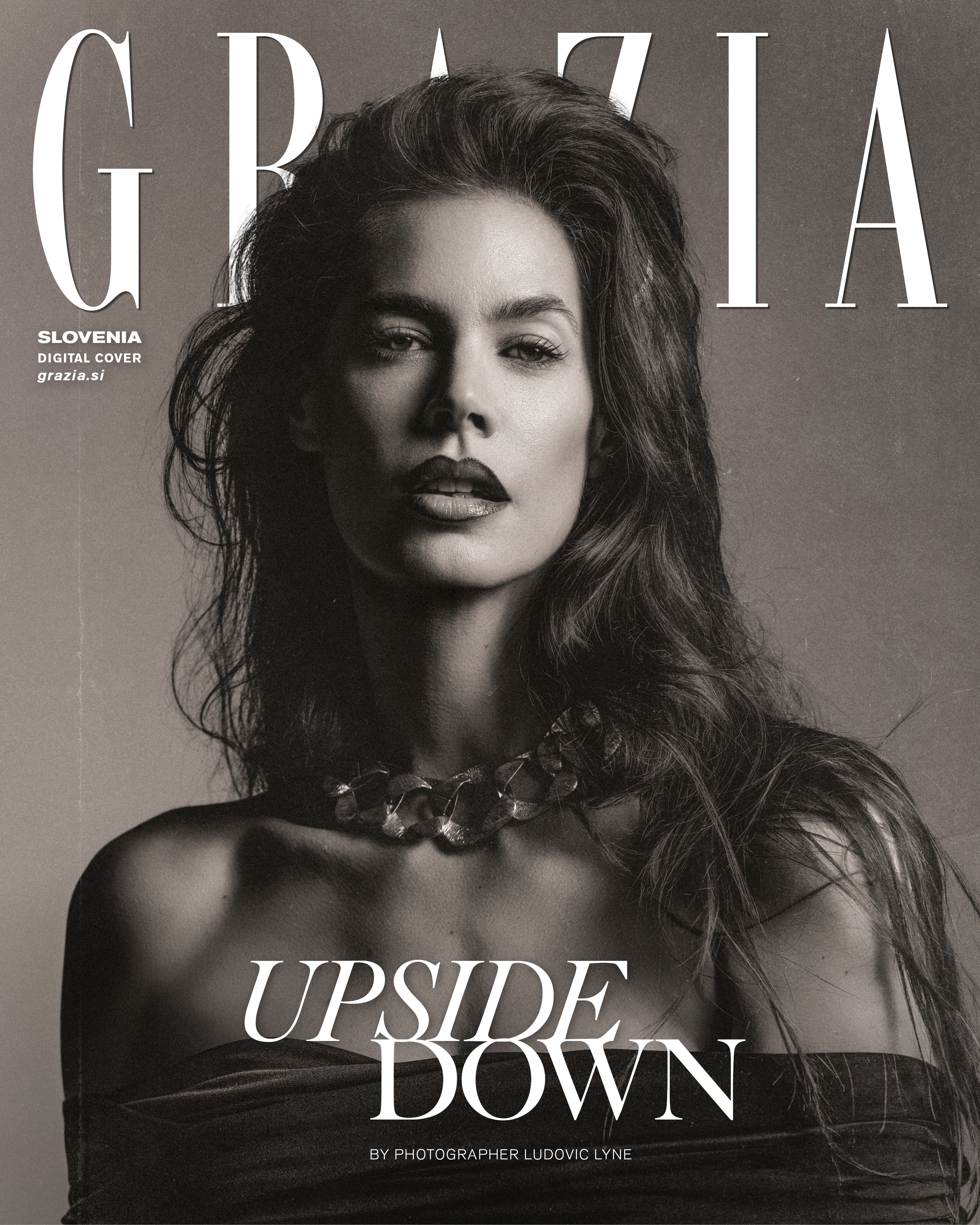


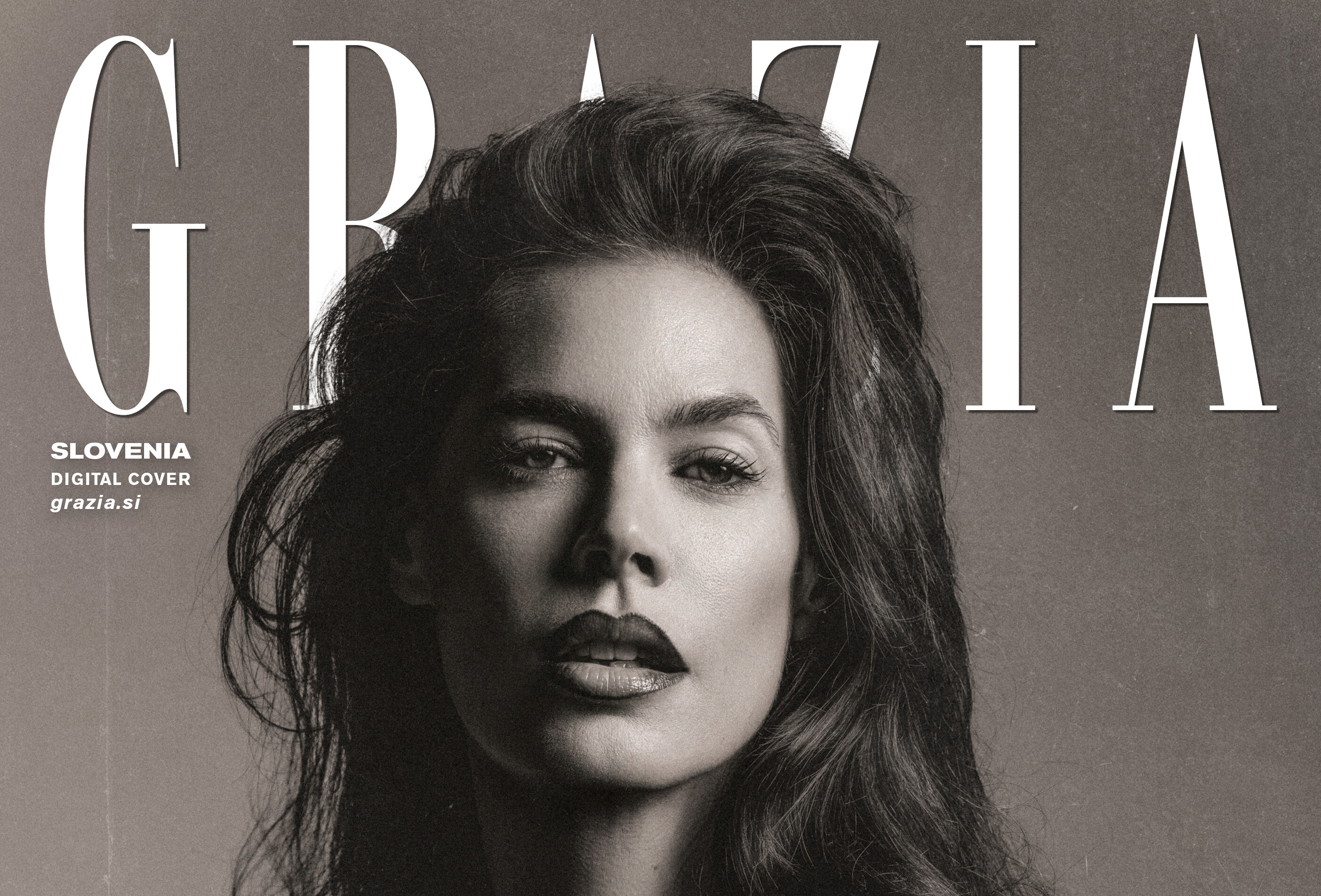
UPSIDE DOWN – Estetika telesne arhitekture je vizualna raziskava odnosa med telesom in prostorom. Skozi fotografijo projekt preučuje, kako drža, gibanje, ravnotežje in napetost telo preoblikujejo v živo arhitekturno formo ter gledalca vabijo k novemu razmisleku o prostoru in prisotnosti.
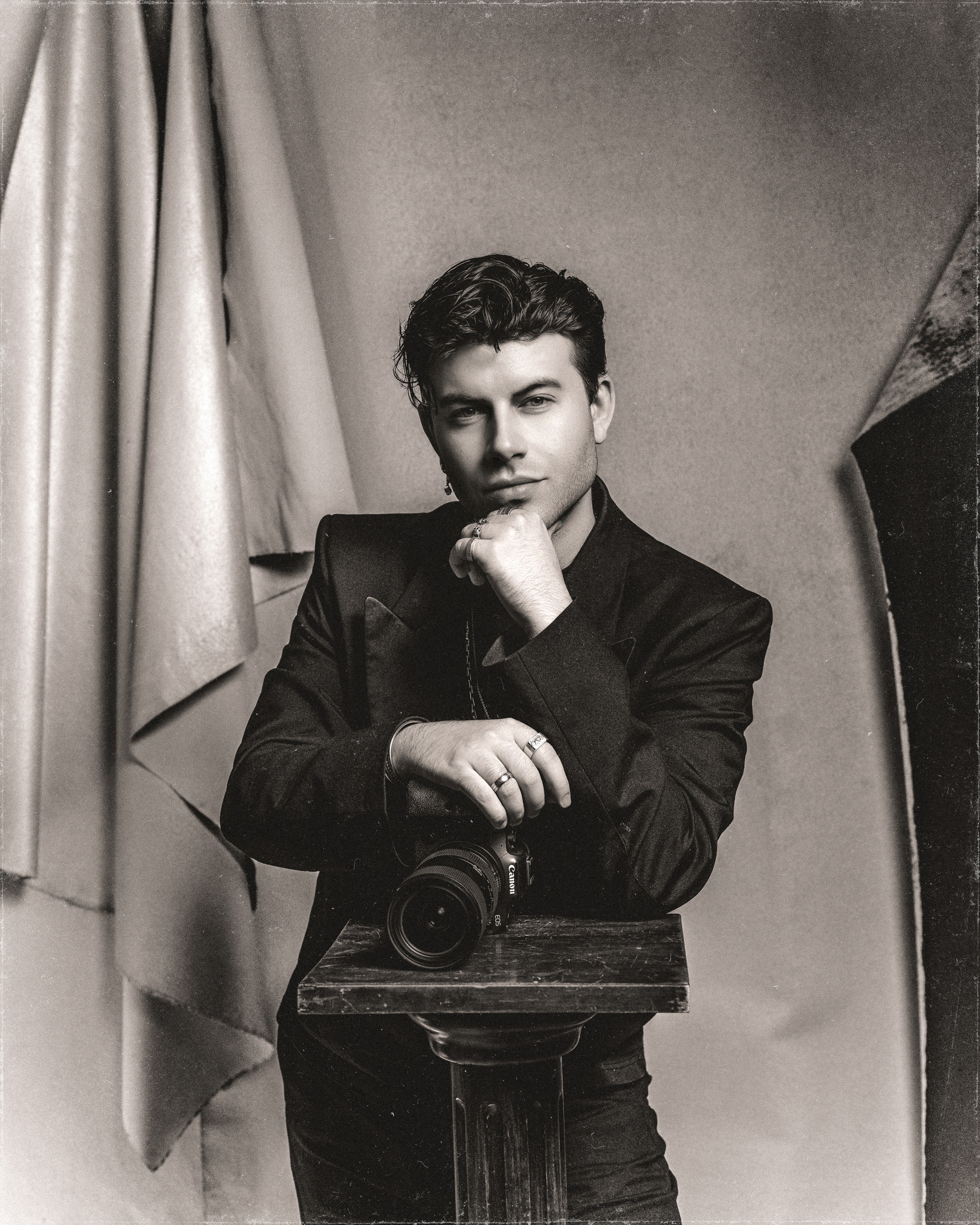
Ali obstaja le en način, kako zavzeti prostor? S projektom UPSIDE DOWN sem želel raziskati fascinacijo, ki že vrsto let oblikuje moje delo: naš odnos do prostora skozi telo.
Nisem plesalec, vendar ta umetniška forma v meni sproži skoraj visceralno reakcijo. Telo je moja obsesija – ne le zaradi tega, kar razkriva o naših čustvih in identitetah, temveč tudi zaradi svoje skoraj arhitekturne razsežnosti.
Nekatere drže imajo logiko, ki presega zgolj izraznost. Postanejo linije, volumni, ravnotežja in napetosti.
Verjamem, da ta fascinacija izhaja iz zelo preprostega vprašanja: kako telo zavzema svet okoli sebe? Kako zgolj s svojo prisotnostjo spreminja naše dojemanje prostora?
V tej seriji telo postopoma preneha biti fotografski subjekt in postane orodje konstrukcije. Krivulje, raztegi, neravnovesja in zasuki postanejo elementi vizualnega jezika. Telesa ne opazujemo več zgolj zaradi tega, kar predstavlja, temveč zaradi oblik, ki jih ustvarja – in tistih, ki jih nakazuje.
V tem pristopu je nekaj skoraj znanstvenega. Fascinirajo me sile, težišča, krhka ravnotežja in nevidne geometrije, ki usmerjajo gibanje. Nekatere podobe delujejo, kot da so ujete med nadzorom in zlomom, stabilnostjo in prelomom.
Vendar serija ni zgolj vaja v formalni konstrukciji. Zanima me prav stičišče med skoraj matematično strogostjo in globoko človeško intenzivnostjo modela. Nekatere podobe postanejo arhitekture. Druge pa se približajo najbolj surovi obliki portreta. Hladni, skoraj vzvišeni zadržanosti pogosto sledi izraz, ki deluje divje, instinktivno, skoraj živalsko.
To nenehno nihanje med strukturo in emocijo je v samem središču projekta.
Kot pogosto pri mojem delu je tudi ta serija nastala skozi dialog različnih senzibilnosti.
Candice Duthe ima redko sposobnost razumevanja jezika telesa. Ne interpretira zgolj drže, temveč raziskuje njene napetosti, neravnovesja in možnosti. Izziva gravitacijo in hkrati razkriva njene meje. Njena fizična predanost močno zaznamuje celotno serijo.
Stajling Maxima Vanderlindna podpira to raziskovanje z minimalističnim in grafičnim pristopom. Podaljšane silhuete, ostre linije in togi materiali, nošeni tesno ob telesu, nenehno poudarjajo arhitekturno branje podob.
Delo Bérénice Fournier v projekt vnaša drugo vrsto napetosti. S pomočjo ličenja razkriva lepoto, ki je hkrati hladna, prvinska in nadzorovana.
S projektom UPSIDE DOWN sem želel raziskati resnično dvojnost. Prvi pristop je grafičen, oddaljen, hladen in skoraj analitičen; telo preneha biti nosilec čustev, identitet ali zgodb ter postane struktura.
Ostanejo linije, napetosti, ravnotežja in prelomi. Roka postane diagonala. Hrbtenica postane krivulja. Drža postane arhitektura.
Nasproti temu stoji drugi pristop: bolj divji, bližji in bolj instinktiven. Portreti prekinejo konstrukcije, porušijo ravnotežja in v geometrijo ponovno vnesejo človeški element.
Morda me pri fotografiji najbolj fascinira prav njena sposobnost, da tisto, za kar mislimo, da ga poznamo, spremeni v nekaj nenavadnega. Nekaj, s čimer se srečujemo vsak dan, se nenadoma razkrije iz povsem nove perspektive.
UPSIDE DOWN je nastal iz tega poskusa: gledati na telo ne kot na samoumevno dejstvo, temveč kot na skrivnost. Ne kot na odgovor, temveč kot na vprašanje.
_____________________________________________________________________________________________________________________________
UPSIDE DOWN – An Aesthetic of Body Architecture
UPSIDE DOWN – An Aesthetic of Body Architecture is a visual exploration of the relationship between the body and space. Through photography, the project examines how posture, movement, balance, and tension transform the body into a living architectural form, inviting viewers to reconsider the way we perceive space and presence.
Is there only one way to possess a space? With UPSIDE DOWN, I wanted to explore a fascination that has shaped my work for many years: our relationship with space through the body.
I am not a dancer, yet this art form triggers an almost visceral reaction in me. The body is an obsession—not only for what it reveals about our emotions and identities, but also for its almost architectural dimension.
Certain postures possess a logic that transcends expression. They become lines, volumes, balances, and tensions.
I believe this fascination originates from a very simple question: how does a body occupy the world around it? How does it alter our perception of a space through its mere presence?
Throughout this series, the body gradually ceases to be a photographic subject and becomes a tool of construction. Curves, extensions, imbalances, and torsions become elements of a visual language. The body is no longer observed solely for what it represents, but for the forms it generates—and the ones it suggests.
There is something almost scientific about this approach. I find myself fascinated by forces, centers of gravity, precarious balances, and the invisible geometries that govern movement. Some images appear suspended between control and collapse, stability and rupture.
Yet the series is not merely an exercise in formal construction. What interests me is precisely the meeting point between this almost mathematical rigor and the deeply human intensity of the model. Some images become architectures. Others, by contrast, move closer to the rawest form of portraiture. A cold, almost haughty restraint is sometimes followed by an expression that feels wild, instinctive, almost animal.
This constant oscillation between structure and emotion lies at the heart of the project.
As is often the case, this series emerged from a dialogue between multiple sensibilities.
Candice Duthe possesses a rare ability to understand the language of the body. She does not simply interpret a posture; she explores its tensions, imbalances, and possibilities. She challenges gravity while simultaneously revealing its limits. Her physical commitment deeply nourishes the series.
Maxime Vanderlinden’s styling supports this exploration through a minimalist and graphic approach. Elongated silhouettes, sharp lines, and rigid materials worn close to the body continuously reinforce the architectural reading of the images.
Bérénice Fournier’s work introduces another form of tension. Through makeup, she reveals a beauty that is by turns cold, primal, and controlled.
With UPSIDE DOWN, I wanted to explore a genuine duality. A first approach is graphic, distant, cold, and almost analytical, where the body ceases to function as a vehicle for emotions, identities, or narratives and instead becomes a structure.
What remains are lines, tensions, balances, and ruptures. An arm becomes a diagonal. A spine becomes a curve. A posture becomes an architecture.
Opposing this is a second approach: wilder, closer, and more instinctive. Portraits disrupt the constructions, disturb the balances, and reintroduce the human element into geometry.
Perhaps this is what fascinates me most about photography: its ability to transform what we believe we know into something strange. Something we encounter every day suddenly reveals itself from an entirely new perspective.
UPSIDE DOWN was born from this attempt: to look at the body not as an obvious fact, but as a mystery. Not as an answer, but as a question.