

V svetu fotografije danes talent sam po sebi ni več dovolj. Za uspešno mednarodno kariero so ključni tudi pogum, jasna vizija, podjetniški pristop in sposobnost prepoznati priložnosti. V intervjuju priznani fotograf razkriva, kako priti do prvega fotografiranja znane osebnosti, katere napake najpogosteje delajo fotografi ter zakaj bo avtentičnost tudi v dobi umetne inteligence ostala največja vrednost.
Fotografski trg se je v zadnjih letih močno spremenil. Katere spremembe ste najbolj opazili in kaj danes stranke pravzaprav iščejo?
Po mojem mnenju danes stranke niso več zadovoljne zgolj s tem, da prejmejo lepe fotografije. Fotografiranje ni življenjska nuja, zato so ljudje vanj pripravljeni investirati predvsem takrat, ko dobijo nekaj več kot le končne posnetke.
Sodobne stranke v resnici kupujejo občutke in doživetje. Želijo se počutiti kot glavna junakinja svoje zgodbe, kot prava zvezda. Fotografiranje želijo doživeti kot poseben dogodek, pri katerem je poskrbljeno za vse – od skrbno izbranih oblačil in profesionalnega ličenja ter pričeske do premišljenega koncepta in fotografa, ki jih samozavestno vodi skozi vsak gib in vsako pozo.
Raven storitve in produkcije, ki je bila nekoč rezervirana le za slavne osebnosti in uredniška fotografiranja za prestižne modne revije, je danes dostopna tudi običajnim ljudem. Prav to pa sodobne stranke tudi pričakujejo – ne le lepih fotografij, temveč celovito izkušnjo, ki jim omogoči, da se zagledajo v povsem novi luči.
Družbena omrežja so fotografijo približala skoraj vsakomur. Kako lahko profesionalni fotograf danes izstopa med milijoni ustvarjalcev vizualnih vsebin?
To popolnoma drži. Fotografom je danes bistveno težje izstopati. Prvi razlog je, da je poklic postal veliko bolj dostopen, zato število fotografov nenehno narašča. Drugi razlog pa je, da danes ne tekmujemo več zgolj drug z drugim, temveč tudi z umetno inteligenco.
Prepričan sem, da danes izstopajo predvsem fotografi z jasno umetniško vizijo in prepoznavnim vizualnim slogom. Prav edinstven ustvarjalni podpis je tisti, zaradi katerega je njihovo delo takoj prepoznavno.
Toda talent sam po sebi ni več dovolj. Drugi ključni dejavnik je sposobnost, da znaš predstaviti in promovirati samega sebe. Sredi poplave vizualnih vsebin ni dovolj ustvarjati odličnih fotografij – ljudje morajo vedeti, da obstajaš. Znanje marketinga, osebne blagovne znamke in učinkovite komunikacije z občinstvom je danes prav tako pomembno kot tehnično fotografsko znanje.
Tisti, ki znajo odkrito predstaviti svoje delo, pripovedovati svojo zgodbo in ostajati dosledno prisotni v očeh svojega občinstva, bodo vedno korak pred drugimi.

Katera področja zasebne fotografije so trenutno najbolj iskana in kje vidite največ priložnosti za fotografe?
Menim, da zasebna fotografija ostaja eno najbolj iskanih področij, saj njena vrednost ni le v končnih fotografijah, temveč predvsem v celotni izkušnji fotografiranja.
Če nekdo danes potrebuje novo profilno fotografijo ali portret za poslovno predstavitev, ga je mogoče s pomočjo umetne inteligence ustvariti hitreje, ceneje in enostavneje. Enako velja za nekatere vrste produktne fotografije ali vsebin za družbena omrežja. Pri teh zvrsteh je pogosto najpomembnejši le končni rezultat, zato umetna inteligenca postopoma postaja resen konkurent fotografom.
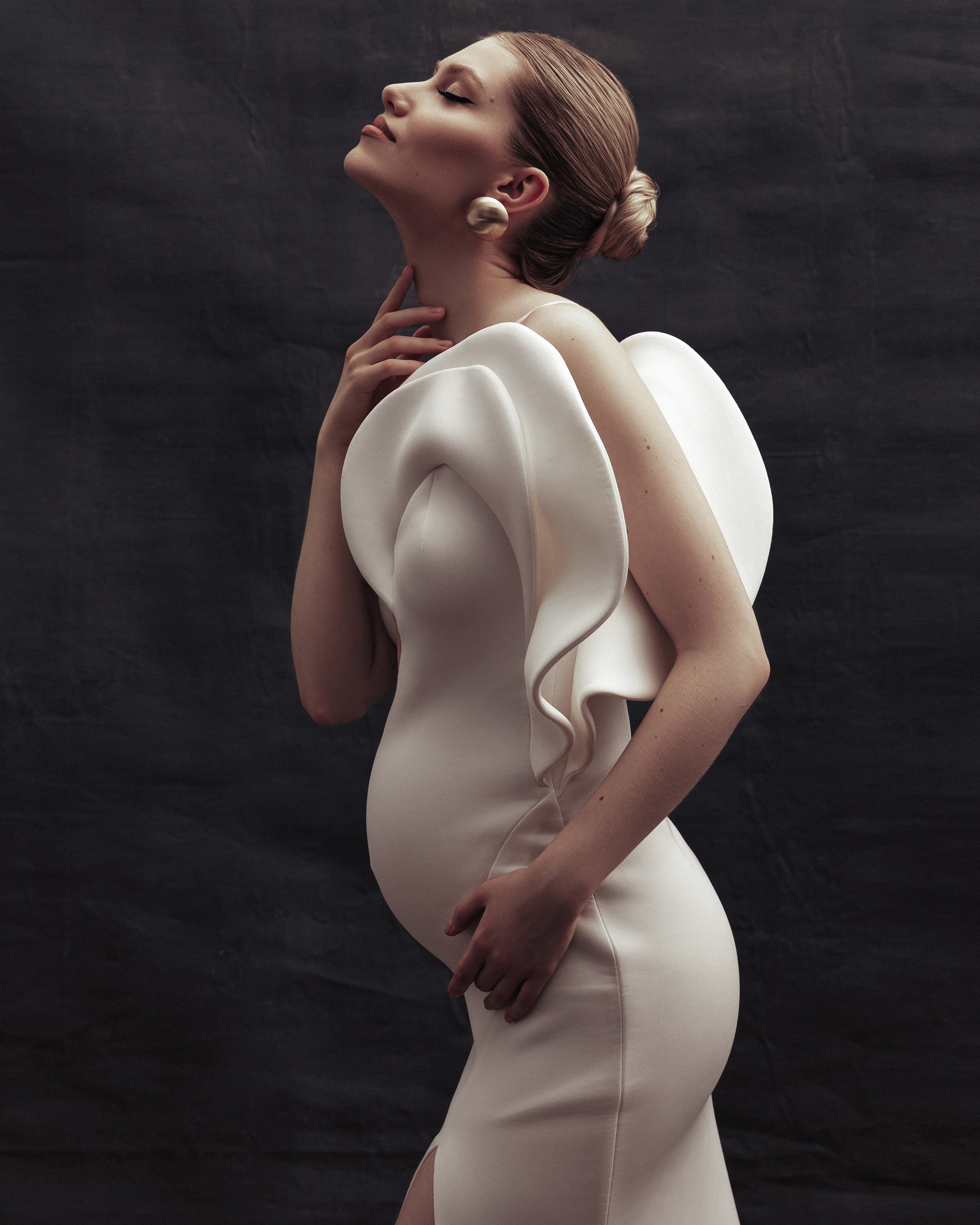
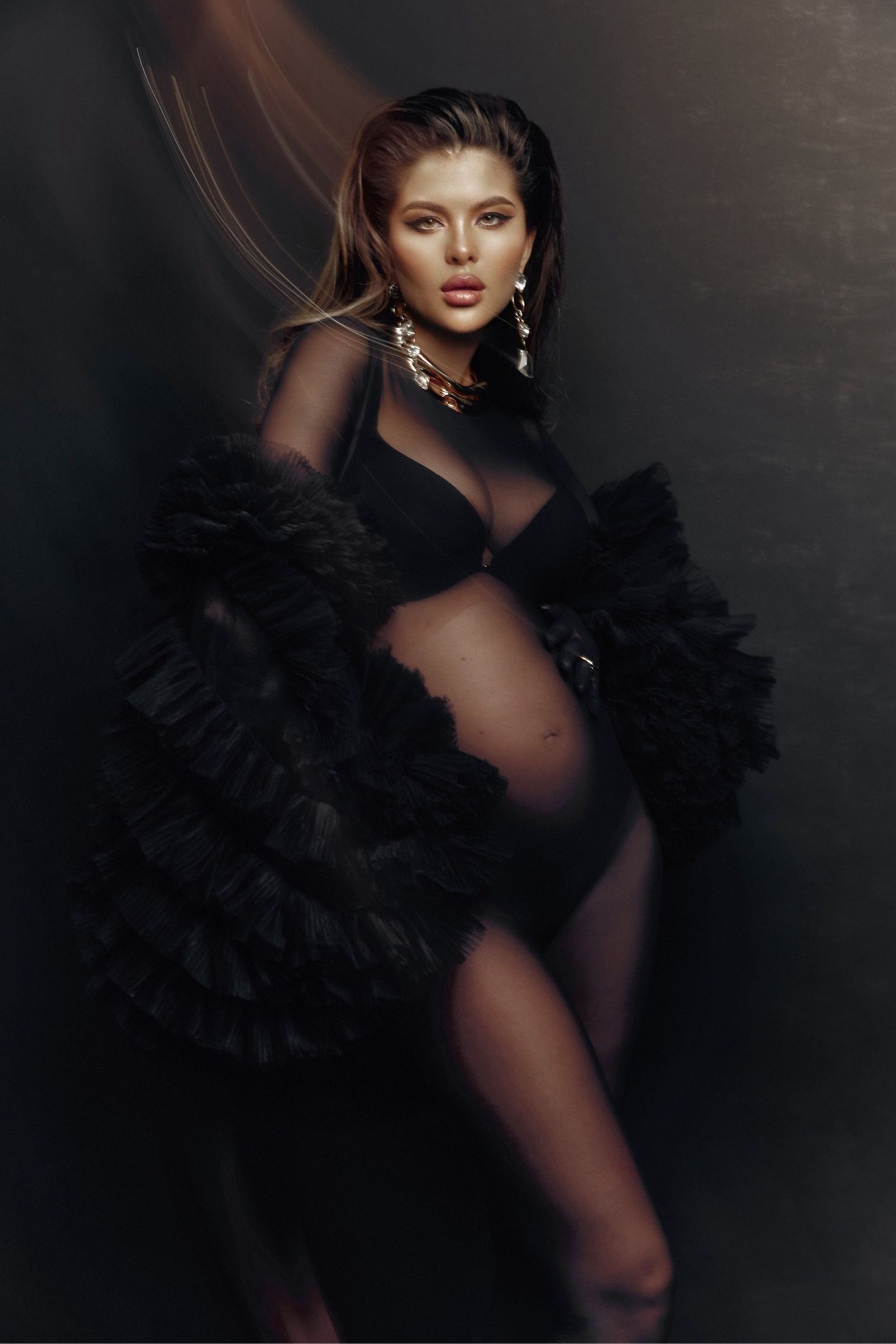
Povsem drugače pa je pri družinski fotografiji, nosečniškem fotografiranju ali osebnih portretih. Ko ženska leto dni vlaga vase, spremeni življenjski slog in želi ohraniti spomin na to pomembno obdobje svojega življenja, ali ko družina pričakuje otroka, umetna inteligenca ne more nadomestiti resničnega doživetja.
Pri takšnih fotografiranjih ljudje ne kupujejo le fotografij. Kupujejo čustva, spomine in celotno izkušnjo. Želijo podoživeti ta dan, se počutiti lepe, preživeti kakovosten čas skupaj in doživeti nekaj pristnega.
Prav zato verjamem, da bo zasebna fotografija še dolgo ostala izjemno pomembna. Dokler bodo ljudje iskali več kot le estetsko dovršene podobe in bodo cenili pristne spomine na pomembne življenjske trenutke, bodo fotografi, ki ustvarjajo na tem področju, veliko bolj iskani kot tisti, ki delujejo v segmentih, kjer je mogoče končni rezultat razmeroma preprosto nadomestiti z umetno inteligenco.
Hkrati pa ne verjamem, da bo umetna inteligenca popolnoma nadomestila komercialno fotografijo. Velike blagovne znamke še vedno vlagajo v fotografiranja z resničnimi modeli, avtentičnimi lokacijami, fizičnimi scenografijami in skrbno zasnovanimi kreativnimi koncepti. Takšna vsebina gradi zaupanje. Ljudje danes zelo dobro prepoznajo vizualne podobe, ustvarjene z umetno inteligenco, zato pristnost postaja nova vrednota in pomembna konkurenčna prednost najmočnejših blagovnih znamk.
Številni fotografi sanjajo o tem, da bi jim poklic omogočil potovanja po svetu. Kako lahko nekdo preide od lokalnega dela do mednarodnih projektov v različnih državah?
Najtežje je vedno narediti prvi korak, še posebej takrat, ko ne veš, kako celoten proces sploh poteka. Veliko ljudi misli, da se mednarodna kariera začne z vabili, v resnici pa se začne z lastno pobudo.
Če sanjate o delu v različnih državah, ne čakajte na popoln trenutek ali na to, da vas bodo velike stranke prve kontaktirale. Za začetek je dovolj, da odpotujete v novo državo brez nerealnih pričakovanj in začnete iskati priložnosti. Spoznajte lokalne vizažiste, stiliste in modele, sestavite ustvarjalno ekipo ter organizirajte nekaj kreativnih fotografiranj. Tako boste ustvarili portfelj, ki bo relevanten za novi trg, pritegnili pozornost in postopoma zgradili svojo prepoznavnost.
Od tam naprej se vse razvija korak za korakom. Z vsakim novim potovanjem pridobite nove stike, priporočila, stranke in projekte. Mednarodna kariera se ne zgodi čez noč – gradi se postopoma, z vztrajnostjo in doslednim delom.
Najpomembneje je, da si postavite jasen cilj in začnete delovati v tej smeri. Razumevanje pride z izkušnjami.
Moja prva potovanja v Združene arabske emirate, Savdsko Arabijo in več evropskih držav niso bila dobičkonosna. Imel sem le nekaj prvih strank in zelo malo znanja o tem, kako delovati na lokalnem trgu. Že ob drugem obisku pa sem razvil svoj sistem dela, zaradi katerega je vsako naslednje potovanje postalo tudi finančno uspešno.
Kako osebno pridobivate stranke v tujini? Kako pomembni so Instagram, priporočila, PR, osebne povezave in poslovno mreženje pri gradnji mednarodne kariere?
Danes je nemogoče izpostaviti le en kanal, ki bi bil odločilen.
Zame Instagram ostaja ena najmočnejših platform. Omogoča mi stalen dotok novih ljudi v mestih, na katera se trenutno osredotočam. Pred vsakim potovanjem začnem ustvarjati vsebine, namenjene prav tej lokaciji – sporočim, kje bom, pokažem pretekla fotografiranja, ustvarim občutek prisotnosti in tako postopoma pridobivam nove stranke, še preden sploh prispem.
Nato začne svojo moč kazati priporočilo od ust do ust. Ko vsakemu projektu nameniš sto odstotkov svoje energije, te stranke priporočajo svojim prijateljem, vizažisti, stilisti in drugi strokovnjaki pa svojim naročnikom. Sčasoma okoli sebe zgradiš močno profesionalno mrežo, ki postane eden najdragocenejših virov novih sodelovanj in rezervacij.
Pomembno vlogo imajo tudi odnosi z javnostmi, objave v medijih in sodelovanje z javno prepoznavnimi osebnostmi. Vse to krepi zaupanje in pomaga, da se stranke med številnimi fotografi odločijo prav zate.
Danes ni več dovolj, da fotograf ustvarja le odlične fotografije. Ne glede na to, kako nadarjen si, se ne moreš skrivati zgolj za svojim portfeljem.
Idealno je, da postaneš prvo ime, na katerega ljudje pomislijo znotraj svoje niše. Ko nekdo pomisli: »Potrebujem fotografiranje za ženski portret,« bi moralo biti tvoje ime prvo, ki se mu pojavi v mislih.
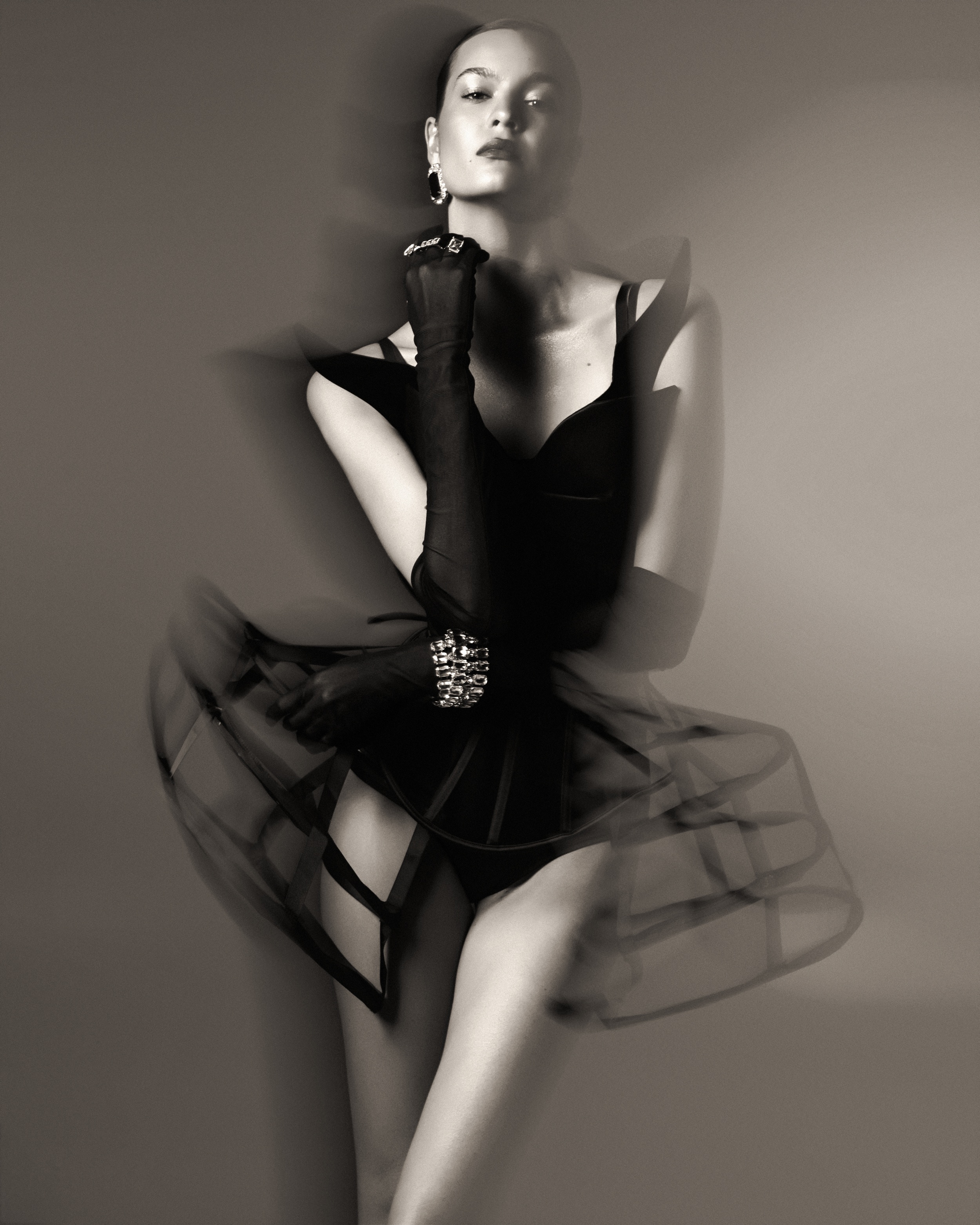
Za mnoge fotografe je fotografiranje znanih oseb pomemben mejnik v karieri. Kako lahko fotograf dobi svojo prvo priložnost za fotografiranje javno prepoznavne osebe?
V resnici za prvo fotografiranje znane osebnosti ne potrebujete vedno vplivnih poznanstev ali slavnega imena. Včasih je dovolj, da prevzamete pobudo in osebo kontaktirate neposredno ali stopite v stik z njenim zastopnikom.
Če pošljete kakovosten predlog dvajsetim, tridesetim ali štiridesetim javno prepoznavnim osebam, obstaja velika verjetnost, da jih bo nekaj privolilo v sodelovanje – še posebej, če že imate močan portfolio. Dobro vsebino namreč potrebujejo vsi, tudi znane osebnosti.
Ob tem pa je ena stvar izjemno pomembna: na takšno priložnost morate biti resnično pripravljeni. Ne smete si privoščiti, da bi zapravili priložnost, ki se morda ne bo več ponovila. To pomeni, da morate biti tehnično brezhibno pripravljeni ter imeti ob sebi močno ekipo, ki lahko zagotovi vrhunski make-up, pričesko, stajling in premišljeno zasnovo fotografiranja. Končni rezultat mora preseči pričakovanja ter postati odličen projekt za obe strani.
Ena najpomembnejših ugotovitev, do katerih sem prišel skozi svojo kariero, je, da fotografi, ki začnejo sodelovati z znanimi osebnostmi, niso vedno najbolj nadarjeni. Zelo pogosto so to preprosto tisti, ki imajo največ poguma – tisti, ki si upajo narediti prvi korak, predstaviti svojo idejo in izkoristiti priložnost. Nato pa svojo vlogo odigrajo priporočila, ugled in profesionalne povezave.
Kako se fotografiranje znanih osebnosti in javno prepoznavnih ljudi razlikuje od običajnega komercialnega ali zasebnega fotografiranja? Ali obstajajo kakšna posebna pravila ali profesionalni bonton, ki bi jih moral poznati vsak fotograf?
Sodeloval sem z veliko različnimi javno prepoznavnimi osebnostmi in lahko rečem, da je vsaka popolnoma drugačna. Pri nekaterih je fotografiranje izjemno sproščeno, skoraj tako, kot bi delali s starim prijateljem. Pri drugih pa je lahko celoten proces precej bolj zahteven.
Če bi moral izpostaviti največjo razliko, bi rekel, da je to sposobnost ostati miren in hitro sprejemati odločitve, ko stvari ne potekajo po načrtih. Pri takšnih projektih je vedno prisoten element nepredvidljivosti. Nikoli ne veste, kakšna nepričakovana situacija se lahko pojavi, vendar je fotograf še vedno odgovoren za končni rezultat, za ekipo in za to, da so fotografije na koncu vrhunske.
Pogosto je treba delati v izjemno omejenih pogojih. Včasih ima znana osebnost za fotografiranje na voljo le deset ali petnajst minut, vi pa morate v tem času ustvariti čim več kakovostnega materiala, skoraj brez časa za pripravo ali dodatnih virov. Drugič lahko pet ur ustvarjate tehnično zelo zahteven projekt na neznani lokaciji, s popolnoma novo ekipo in ob številnih nepredvidljivih dejavnikih.
Prav zato menim, da je ena najpomembnejših lastnosti fotografa sposobnost učinkovitega dela pod pritiskom in v negotovih okoliščinah. Prav v takšnih trenutkih se pokaže resnična profesionalnost.
Danes mora biti uspešen fotograf poleg umetnika tudi podjetnik. Katere poslovne napake po vašem mnenju najpogosteje delajo tudi zelo nadarjeni fotografi?
Mislim, da je najpogostejša napaka ta, da fotografi precenjujejo svoj talent in podcenjujejo pomen promocije. Popolnoma razumem željo, da bi preprosto objavljali lepe fotografije in čakali, da vas stranke odkrijejo same. Žal pa v praksi to ne deluje. Takšen pristop je mogoč le, če je fotografija vaš hobi. Če pa je to vaš posel, morate sprejeti preprosto dejstvo: biti dober fotograf ni dovolj. Poskrbeti morate tudi za to, da ljudje sploh izvedo za vas.
Druga pogosta napaka je, da se fotografi osredotočajo izključno na svoje umetniške preference, pri tem pa popolnoma zanemarijo trg. Fotografirajo le tisto, kar je všeč njim, ne da bi se vprašali, ali za takšno delo sploh obstaja povpraševanje. Če se usmerite v izjemno ozko nišo ali razvijete slog, ki nagovarja le zelo majhen krog ljudi, lahko postanete izvrsten umetnik, a kljub temu ostanete brez naročnikov.
Pomembno je tudi, da ne zamenjujete avtorskih umetniških projektov, ki jih je mogoče predstavljati ali prodajati v galerijah, s komercialnim delom za naročnike. Gre za dve povsem različni področji, ki zahtevata tudi popolnoma drugačen način promocije.
Zame uspeh nastane na presečišču treh ključnih elementov: da fotografirate tisto, v čemer iskreno uživate, da ustvarjate tisto, kar trg dejansko potrebuje, in da dosledno vlagate v svojo promocijo – bodisi s časom bodisi z denarjem. Ko se združijo vsi trije elementi, postane zgraditi uspešno kariero skoraj neizogibno.
Če želi fotograf danes uspeti na mednarodnem trgu, katere tri korake bi mu priporočili kot prve?
Najprej izberite en trg in se mu popolnoma posvetite. Veliko fotografov pravi, da želijo delati »po vsem svetu«, vendar je takšen cilj preveč splošen. Veliko učinkoviteje je izbrati eno državo ali eno mesto ter vanj usmeriti vse svoje napore – od vsebin, oglaševanja in mreženja do potovanj.
Drugi korak je, da ne čakate na stranke doma. Odpotujte tja, kjer želite delati. Poiščite lokalno ekipo, organizirajte nekaj kreativnih fotografiranj ter spoznajte vizažiste, stiliste in druge strokovnjake. Mednarodna kariera se ne začne z vabili, temveč s prvo letalsko vozovnico.
In nenazadnje – bodite pripravljeni na to, da uspeh morda ne bo prišel že po prvem potovanju. Mednarodni trg temelji na zaupanju, priporočilih in osebnih stikih. Z vsakim novim fotografiranjem, vsakim novim poznanstvom in vsakim novim projektom vas spozna več ljudi. Na koncu ne uspe tisti, ki opravi eno odlično potovanje, temveč tisti, ki vztrajno, dosledno in sistematično gradi svojo pot v izbrani smeri.
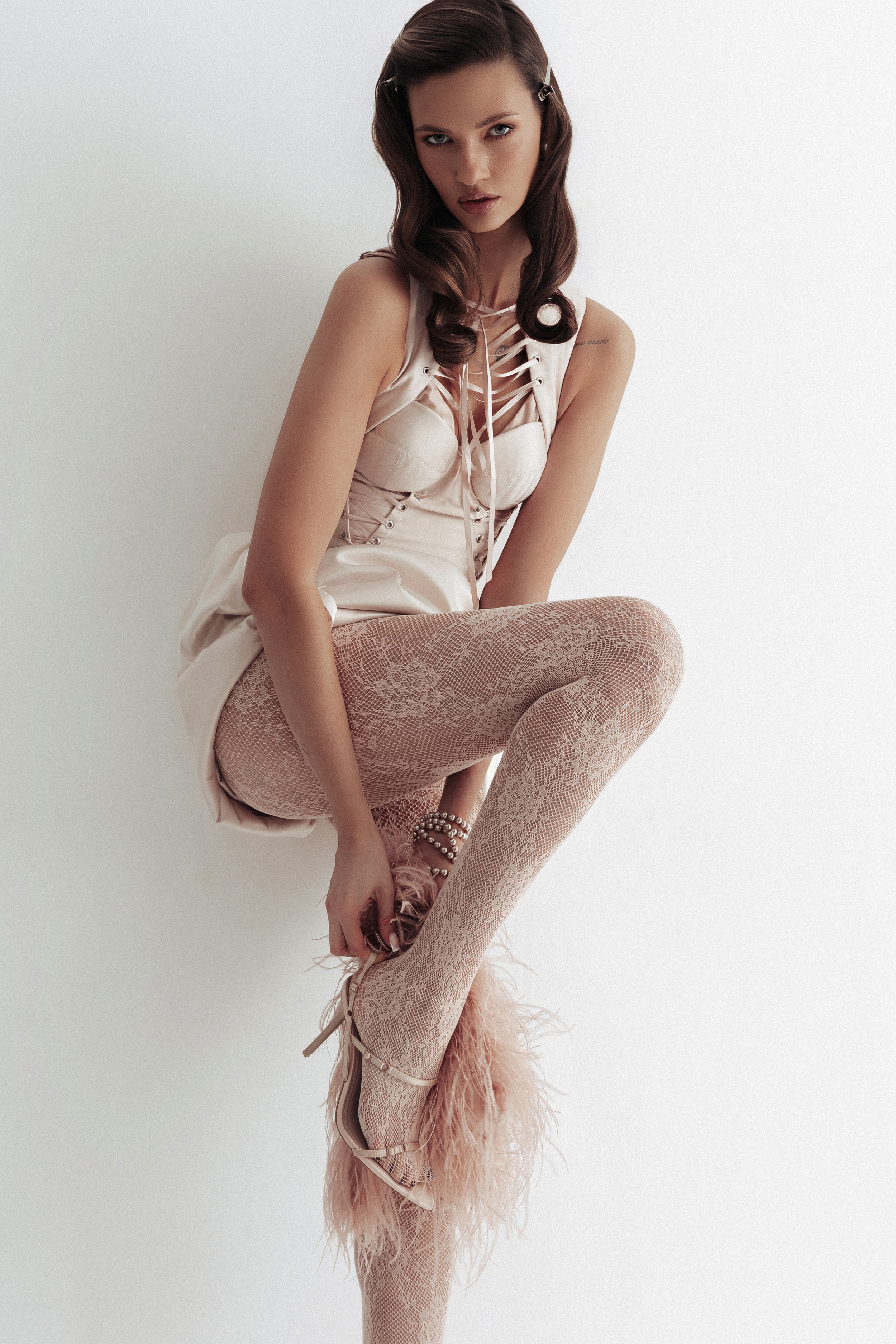
Kako menite, da se bo poklic fotografa razvijal v naslednjih petih letih, zlasti ob hitrem razvoju umetne inteligence, novih tehnologij in nenehno spreminjajočih se vizualnih trendov?
Ne verjamem, da bo poklic fotografa izginil, sem pa prepričan, da bo panoga postala precej bolj razdeljena. Umetna inteligenca bo prevzela del nalog, pri katerih je pomemben predvsem končni rezultat. Zato bodo morali fotografi svojo vrednost graditi na tistem, česar ni mogoče kopirati.
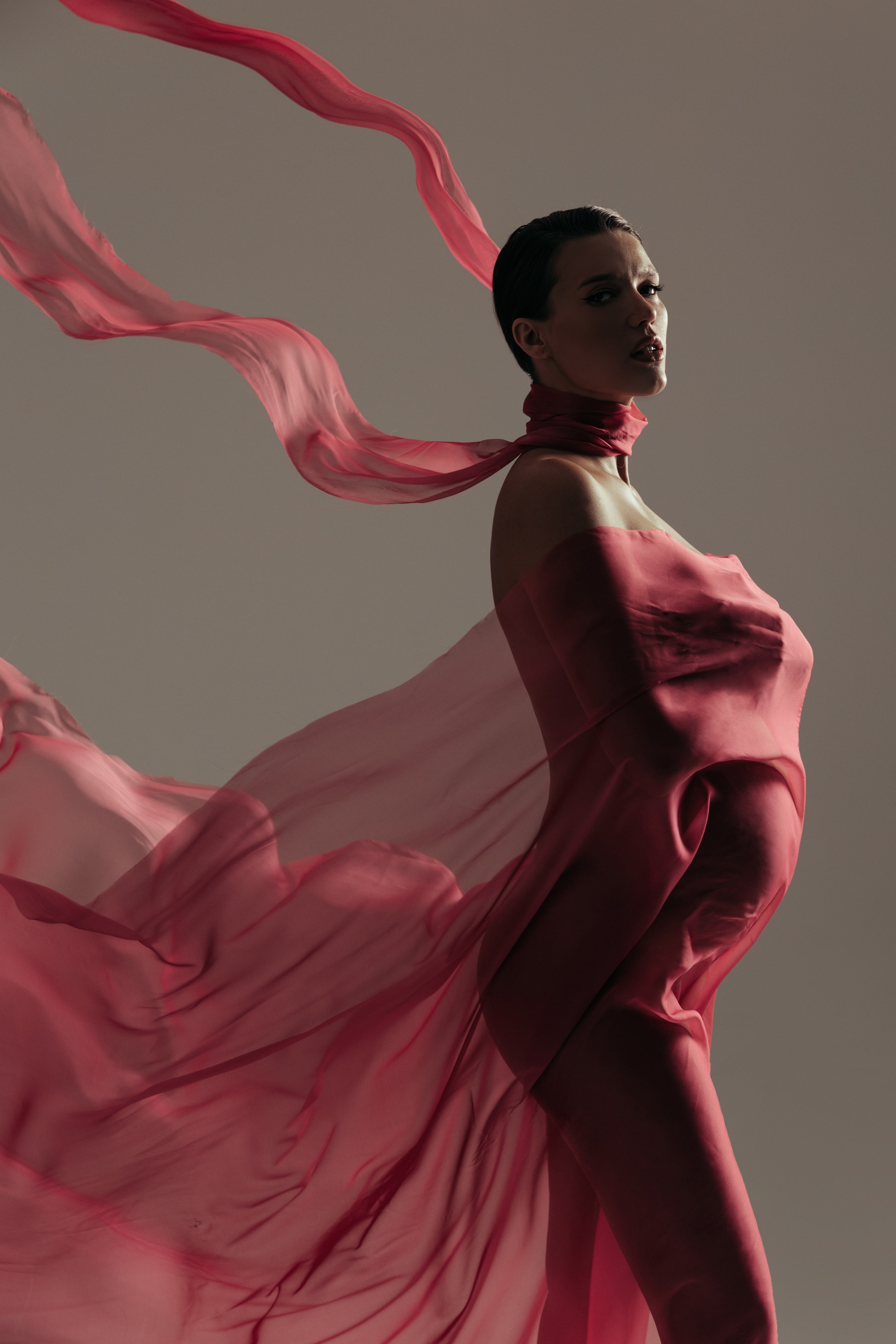
Hkrati menim, da fotografi ne bi smeli nenehno loviti trendov. Ti se spreminjajo izjemno hitro. Trenutno denimo opažamo izrazit premik k bolj naravnim podobam, minimalni retuši in skoraj dokumentarni estetiki. Dober primer je nedavno fotografiranje noseče Natalije Vodjanove za francosko izdajo revije Vogue France.
Obstajajo pa tudi fotografi, ki delujejo onkraj trendov. Szilveszter Mako in Elizaveta Porodina sta odlična primera. Njuno delo je prepoznavno na prvi pogled in ga je nemogoče zamenjati z delom kogarkoli drugega. Ne sledita trendom, temveč ustvarjata svoj lasten vizualni jezik.
Zato verjamem, da bodo v prihodnjih letih najbolj cenjeni fotografi z močno in prepoznavno umetniško identiteto. Prihodnost pripada tistim, ki si upajo razviti lastno vizijo, namesto da bi posnemali druge.
In seveda je pomembno, da umetne inteligence ne dojemamo kot konkurenta. Je preprosto novo orodje. Fotograf, ki se bo naučil uporabljati umetno inteligenco, hkrati pa ohranil svojo vizijo, estetski občutek in sposobnost ustvarjanja izvirnih idej, bo imel veliko prednost.
______________________________________________________________________________________________________________________
Beyond Trends and AI: The Future of Photography
In today’s photography industry, talent alone is no longer enough. Building an international career requires courage, vision, an entrepreneurial mindset, and the ability to recognize opportunities. In this interview, the acclaimed photographer shares how to land a first celebrity shoot, the most common mistakes photographers make, and why authenticity will remain the greatest asset in the age of artificial intelligence.
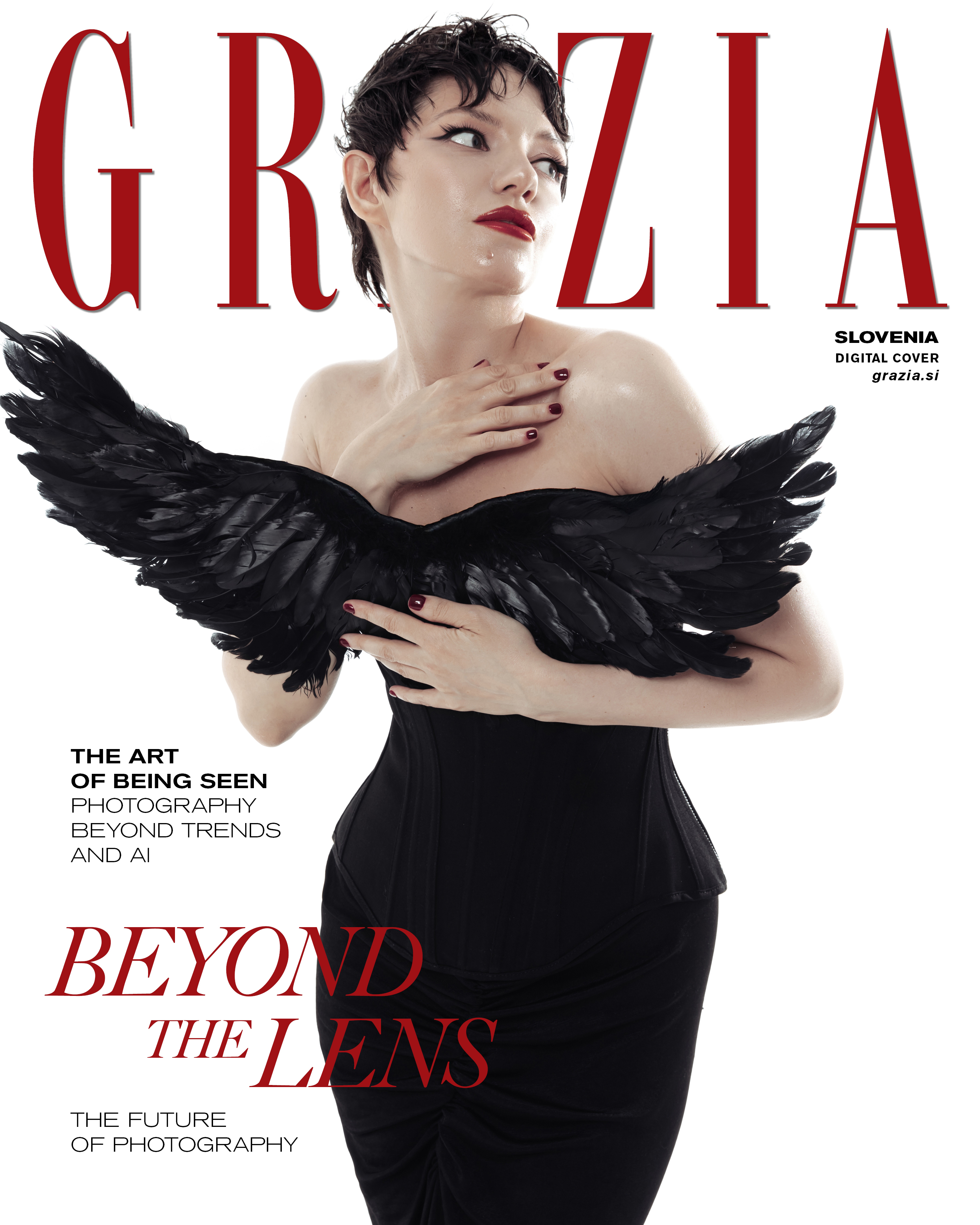
The photography market has changed dramatically over the past few years. What are the biggest changes you have noticed, and what are clients looking for today?
In my opinion, today clients are no longer satisfied with simply receiving beautiful photographs. A photoshoot is not a basic necessity, so people are willing to invest in it only when they receive something more than the final images.
What modern clients are really buying is emotion and experience. They want to feel like the main character, like a real star. They want the photoshoot to feel like a special occasion where everything has already been taken care of: the outfits have been selected, professional makeup and hair have been arranged, the concept has been developed, and the photographer guides them through every pose and movement.
Essentially, the level of service and production that was once available only to celebrities and glossy magazine shoots is now accessible to ordinary people. And that is exactly what clients expect today: not just beautiful photographs, but a complete experience that allows them to see themselves in an entirely new way.
Social media has made photography accessible to almost everyone. How can a professional photographer stand out among millions of visual creators today?
Yes, that is absolutely true. It has become much harder for photographers to stand out. First, because the profession itself is now far more accessible and the number of photographers continues to grow. Second, because we are no longer competing only with one another, but also with artificial intelligence.
I believe the photographers who stand out today are those with a clear artistic vision and a recognizable visual style. A unique signature is what makes your work noticeable.
But talent alone is no longer enough. The second key factor is the ability to promote yourself. In the middle of so much visual noise, it is not enough to simply create strong images. People need to know that you exist. Knowledge of marketing, personal branding, and audience communication is now just as important as technical skill. Those who know how to speak openly about themselves, show their work, and stay consistently visible to their audience will always be ahead.
Which areas of private photography are currently the most in demand, and where do you see the greatest opportunities for photographers today?
I believe private photography remains one of the most in-demand areas today because the value lies not only in the final result, but also in the experience of the shoot itself.
If someone needs a new profile picture or an image for a business presentation, it can now be faster, cheaper, and easier to generate one with artificial intelligence. The same applies to certain types of product photography or social media content. In many of these genres, only the final result matters, which means AI is gradually becoming a serious competitor to photographers.
But family photography, maternity photography, or a personal photoshoot work very differently. When a woman has spent a year working on herself, getting into shape, and wants to preserve that stage of her life, or when a family is expecting a child, artificial intelligence cannot replace the real experience.
In these shoots, people are not only buying photographs. They are buying emotions, memories, and the experience itself. They want to live through that day, feel beautiful, spend time together, and experience something genuine.
That is why I believe private photography will remain relevant for a very long time. As long as people want more than beautiful images and continue to value real memories of important moments in their lives, photographers working in these genres will remain far more in demand than those working in areas where the final result can easily be replaced by AI.
At the same time, I do not believe AI will completely replace commercial photography. Major brands still invest in shoots with real models, real locations, physical sets, and carefully designed concepts. That kind of content creates trust. People have become very good at recognizing AI-generated visuals, so authenticity is becoming a new form of value for strong brands.
Many photographers dream of turning their profession into an opportunity to travel the world. How can someone move from working locally to shooting international projects in different countries?
The hardest part is always taking the first step when you have no idea how the process works. Many people think an international career begins with invitations, but in reality, it begins with initiative.
If you dream of working in different countries, you should not wait for the perfect moment or for major clients to contact you first. In the beginning, it is enough to travel to a new country without unrealistic expectations and start looking for opportunities. Meet local makeup artists, stylists, and models, build a team, and organize several creative shoots. This will help you build a relevant portfolio, attract attention, and establish your presence in a new market.
Everything develops gradually from there. With every new trip, you gain new contacts, recommendations, clients, and projects. An international career does not happen at the snap of a finger. It is built step by step.
The most important thing is to set that goal and begin moving towards it. Understanding comes through experience.
My first trips to the UAE, Saudi Arabia, and several European countries were not profitable. I had only a few initial clients and no real understanding of how to work with local audiences. But by the second trip, I had already developed my own system for making each journey financially worthwhile.
How do you personally attract clients abroad? How important are Instagram, referrals, PR, personal connections, and professional networking in building an international career?
Today, it is impossible to single out just one channel.
For me, Instagram remains one of the most powerful platforms. It brings me a constant flow of new people in the cities I am currently focusing on. Before every trip, my content starts working specifically for that location. I talk about where I will be, show relevant shoots, create a sense of presence, and gradually attract clients before I even arrive.
Then word of mouth begins to work. When you give every project one hundred percent, clients recommend you to their friends, while makeup artists, stylists, and other professionals recommend you to their own clients. Over time, you build a professional community around yourself, and that becomes one of the most valuable sources of new bookings.
PR, publications, and working with public figures also play an important role. They build trust and help clients choose you over dozens of other photographers.
Today, it is no longer enough for a photographer to simply create beautiful work. No matter how talented you are, you cannot hide behind your portfolio.
Ideally, you need to become top of mind within your niche. When someone thinks, “I need a women’s photoshoot,” your name should be the first one that comes to mind.
For many photographers, working with celebrities feels like an important career milestone. How can a photographer get their first opportunity to photograph a well-known person?
In reality, you do not always need powerful connections or a famous name to get your first celebrity shoot. Sometimes, you simply need to take the initiative and contact the person directly or reach out to their agent.
If you send a strong proposal to twenty, thirty, or forty public figures, several of them are likely to say yes, especially if you already have a solid portfolio. Everyone needs good content, including celebrities.
But there is one very important point: you need to be genuinely ready for that opportunity. You cannot afford to waste a chance that may not come again. That means being technically prepared and having a strong team capable of delivering high-quality makeup, hair, styling, and a well-developed concept. The final shoot should exceed expectations and become a strong project for both sides.
One of the most important conclusions I have reached is that the photographers who begin working with celebrities are not always the most talented. Very often, they are simply the bravest: the ones who were not afraid to write first, suggest an idea, and take advantage of the opportunity. After that, recommendations, reputation, and professional connections begin to work.
How is working with celebrities and public figures different from a regular commercial or private shoot? Are there any particular rules or professional etiquette photographers should know?
I have worked with many different public figures, and I can say that they are all completely different. With some people, the shoot feels incredibly easy, almost as though you are working with an old friend. With others, the process can be much more challenging.
If I had to describe the main difference, I would say it is the ability to stay calm and make quick decisions when things do not go according to plan. There is always an element of unpredictability in these projects. You never know what kind of unexpected situation may arise, but the photographer is still responsible for the result, the team, and making sure the final images are strong.Very often, you have to work within extremely tight limitations. Sometimes a public figure has only ten or fifteen minutes for the shoot, and you have to create the maximum amount of quality material with almost no time or resources. On other occasions, you may spend five hours working on a technically complex project in an unfamiliar location with a completely new team and dozens of variables.
That is why, in my opinion, one of the most important qualities a photographer can have is the ability to work effectively under pressure and uncertainty. That is when true professionalism reveals itself.
Today, a successful photographer often has to be an entrepreneur as well as an artist. What are the most common business mistakes you see talented photographers making?
I think the most common mistake is overestimating talent and underestimating promotion. I completely understand the desire to simply post beautiful photographs and wait for clients to discover you. Unfortunately, that is not how it works. That approach is possible only when photography is a hobby. If it is a business, you need to accept one simple truth: being a good photographer is not enough. You also need to make sure people know about you.The second mistake is focusing only on your own artistic preferences while completely ignoring the market. Many photographers shoot only what they personally enjoy without asking whether there is any real demand for it. If you move into an extremely narrow niche or develop a style that speaks only to a very small circle of people, you may become a wonderful artist and still have no clients.
It is also important not to confuse creative art projects, which can be sold through galleries, with commercial client work. These are two completely different directions, and they need to be promoted in completely different ways.
For me, success exists at the intersection of three things: what you genuinely enjoy shooting, what the market actually wants, and how consistently you invest in your promotion, either with time or money. When those three elements come together, it becomes almost impossible not to build a successful career.
If a photographer wants to enter the international market today, what three steps would you recommend taking first?
First, choose one market and focus on it. Many photographers say they want to work “all over the world,” but that approach is too vague. It is far more effective to choose one country or one city and direct all your efforts there: your content, advertising, networking, and travel.
Second, do not wait for clients while staying at home. Travel to the place where you want to work. Find a local team, organize several creative shoots, and meet makeup artists, stylists, and other professionals. An international career does not begin with invitations. It begins with the first plane ticket.
And finally, be prepared for the fact that the result may not come after the first trip. An international market is built through trust, recommendations, and personal connections. With every new shoot, every new contact, and every new project, more people begin to recognize you. The person who succeeds is not the one who makes one successful trip, but the one who works consistently and systematically in the chosen direction.
How do you think the profession of photography will evolve over the next five years, particularly with the rapid development of AI, new technologies, and constantly changing visual trends?
I do not think the profession of photography will disappear, but I do believe the industry will become far more polarized. Artificial intelligence will take over some of the tasks where only the final result matters. Photographers will therefore need to find their value in what cannot be copied.
At the same time, I do not believe photographers should constantly chase trends. Trends change all the time. Today, for example, we are seeing a major shift towards natural imagery, minimal retouching, and an almost documentary aesthetic. A good example is the recent maternity shoot featuring Natalia Vodianova for French Vogue.
But there are also photographers who exist beyond trends. Szilveszter Mako and Elizaveta Porodina are good examples. Their work is impossible to confuse with anyone else’s. They do not follow trends; they create their own visual language.
That is why I believe photographers with a strong and distinctive artistic signature will be especially valuable in the coming years. The future belongs to those who are brave enough to search for their own vision rather than copy someone else’s.
And, of course, it is important to stop treating artificial intelligence as a competitor. It is simply a new tool. A photographer who learns how to use AI while preserving their own vision, taste, and ability to generate original ideas will have a major advantage.
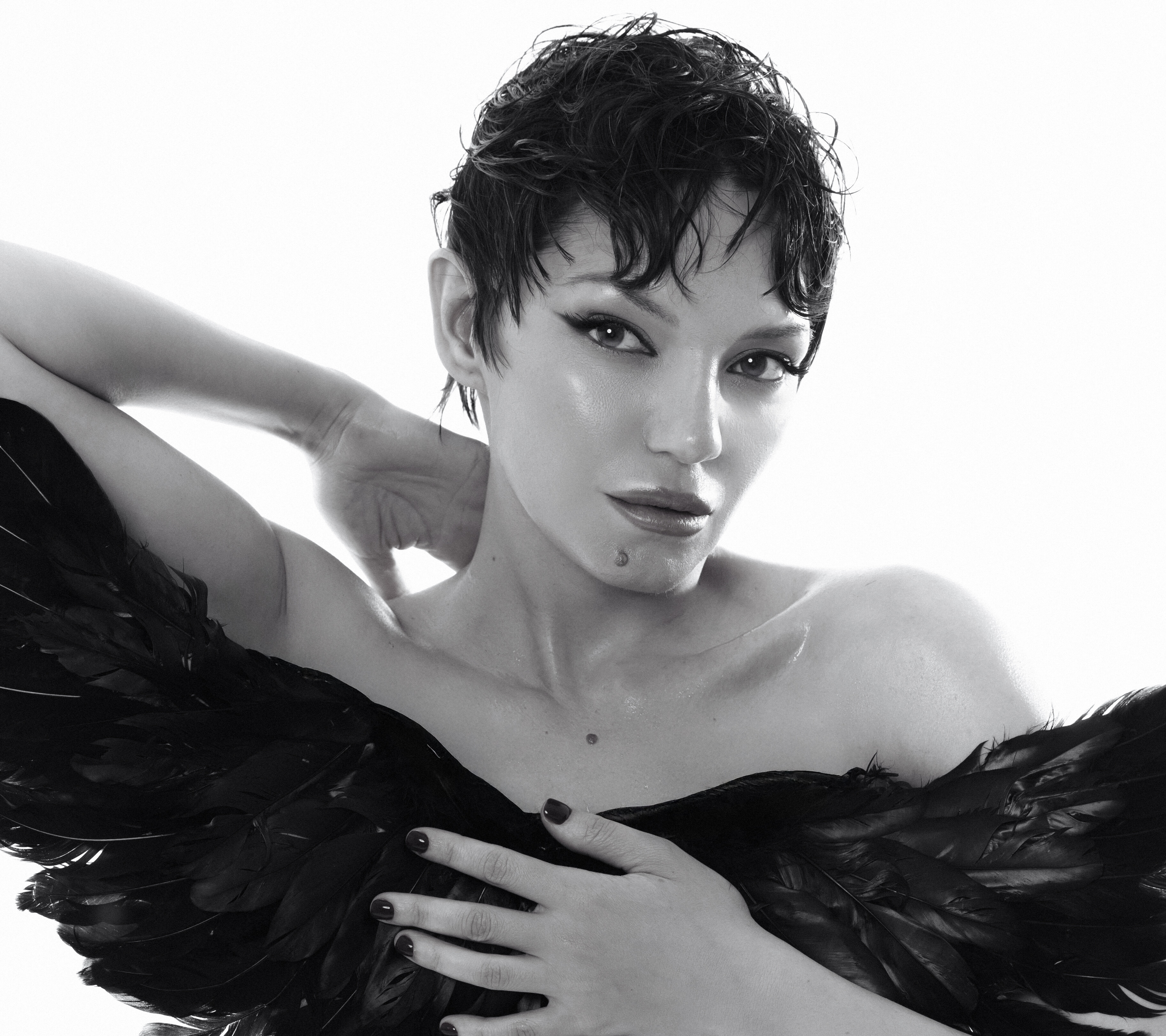
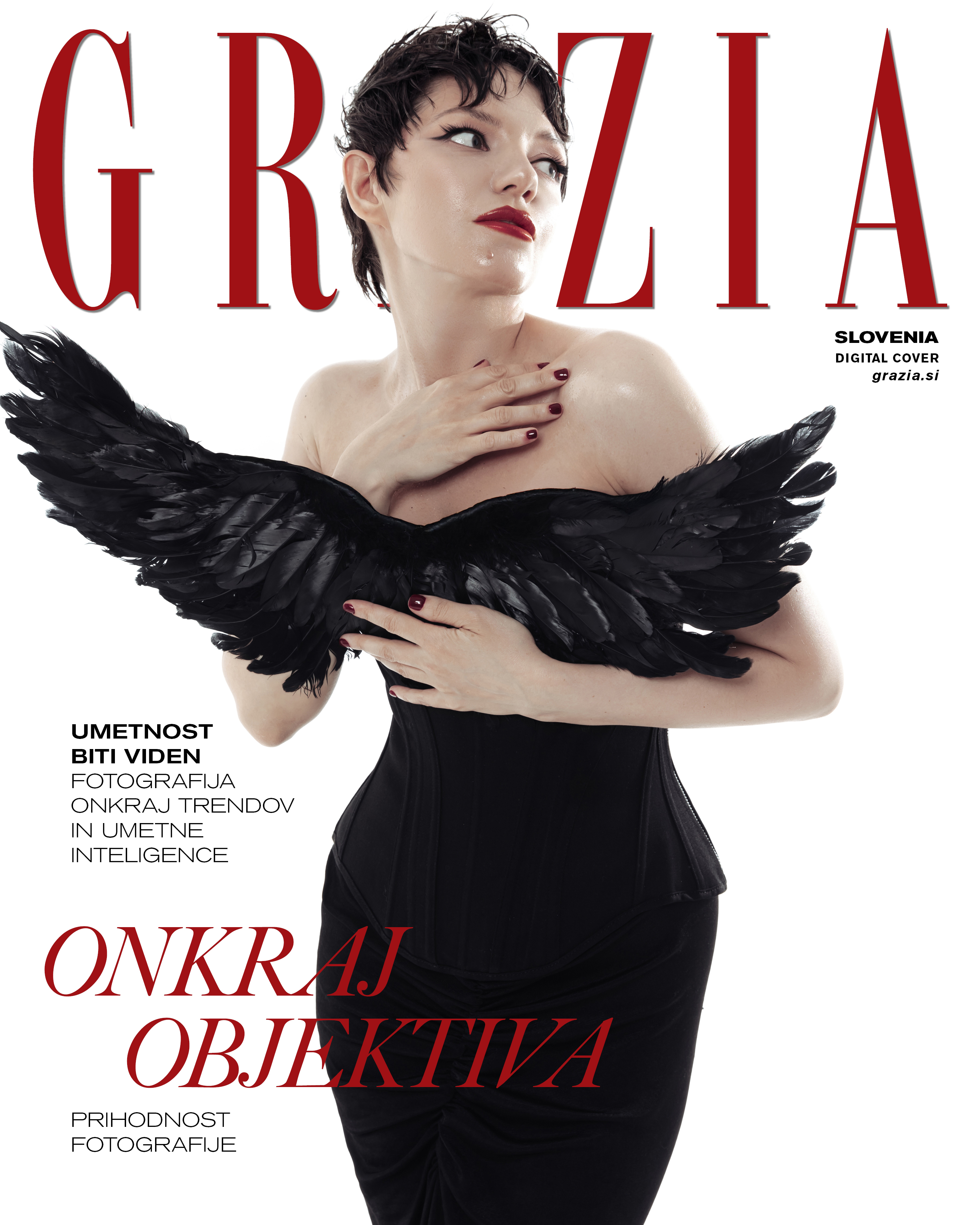
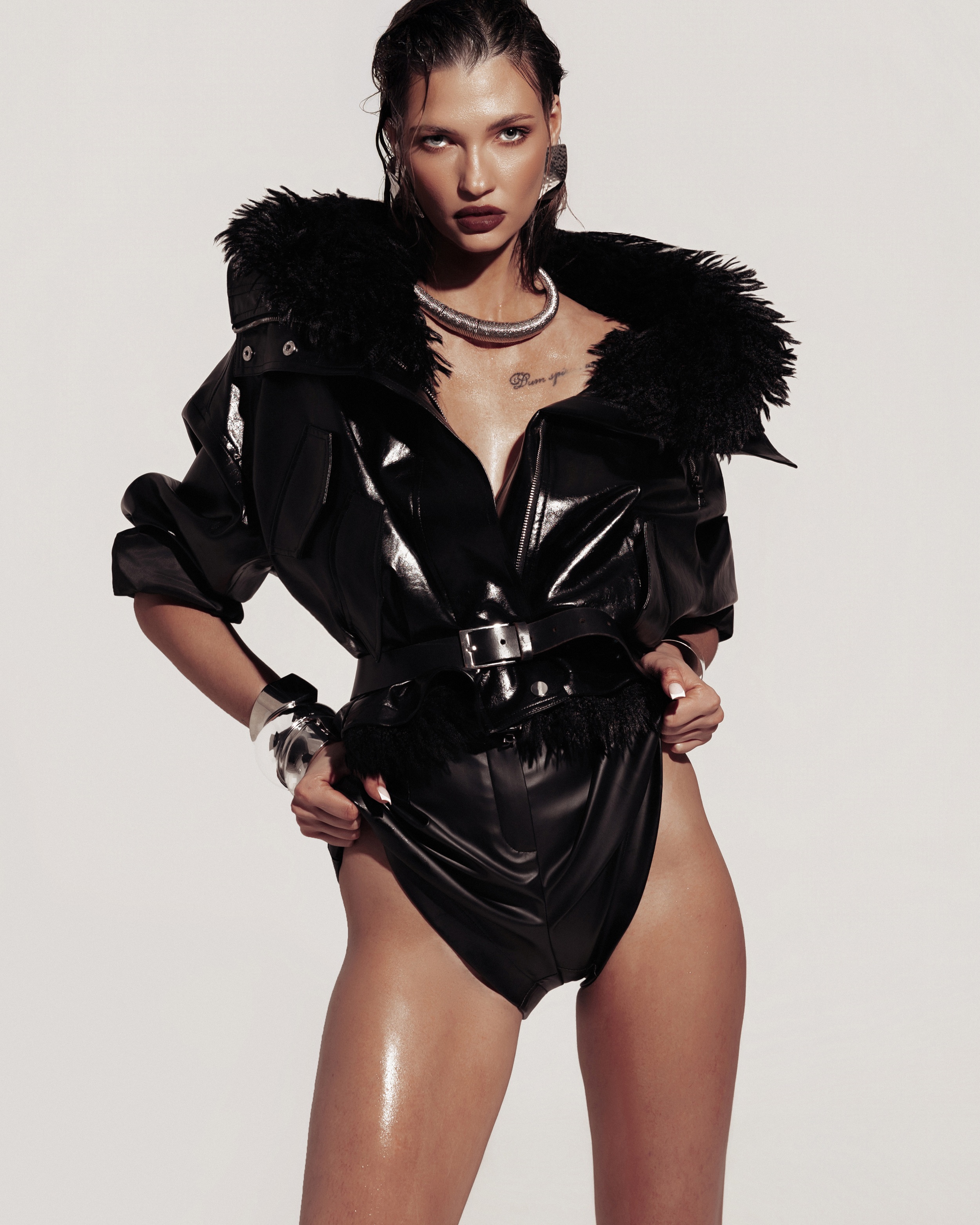
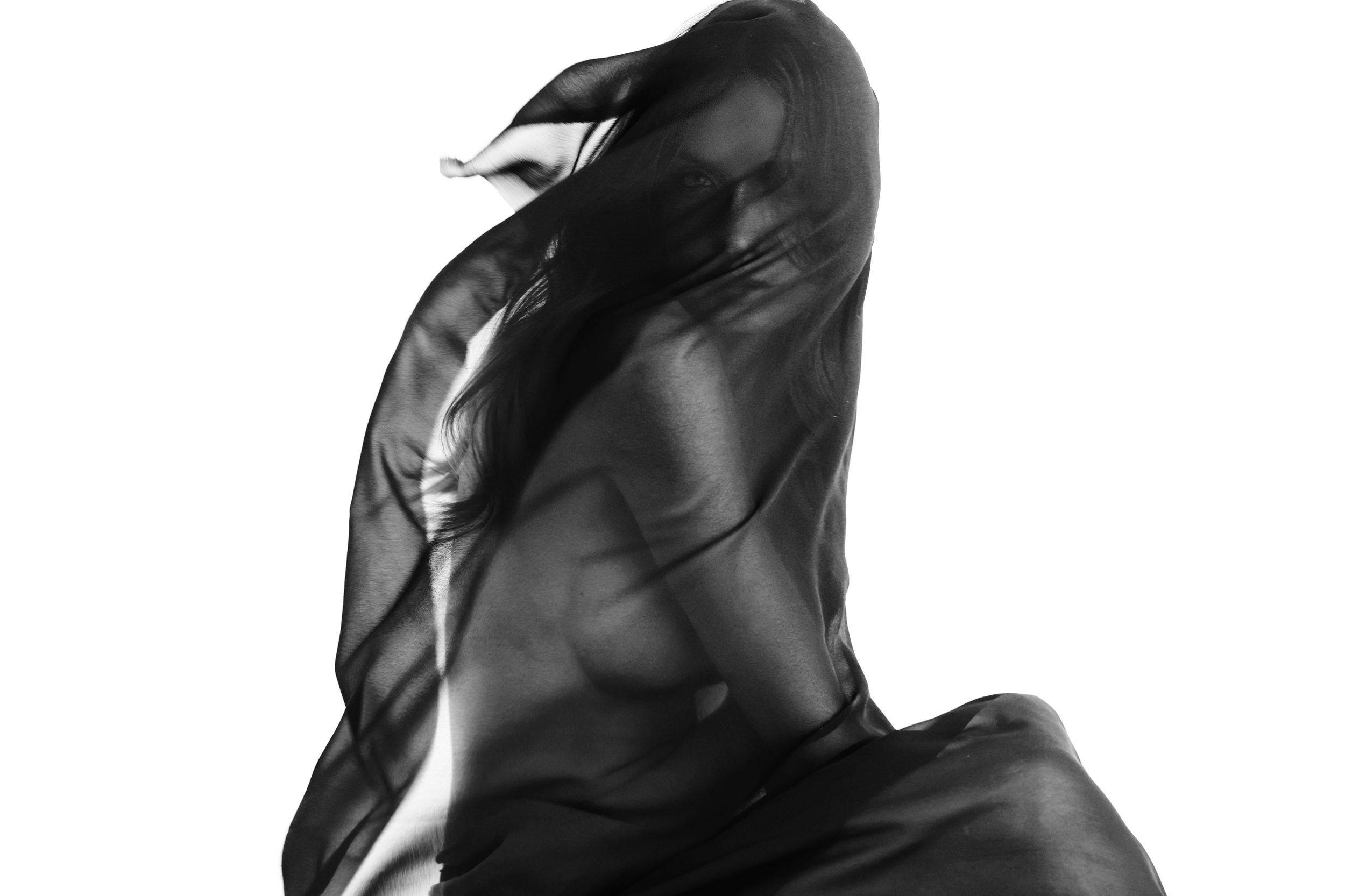
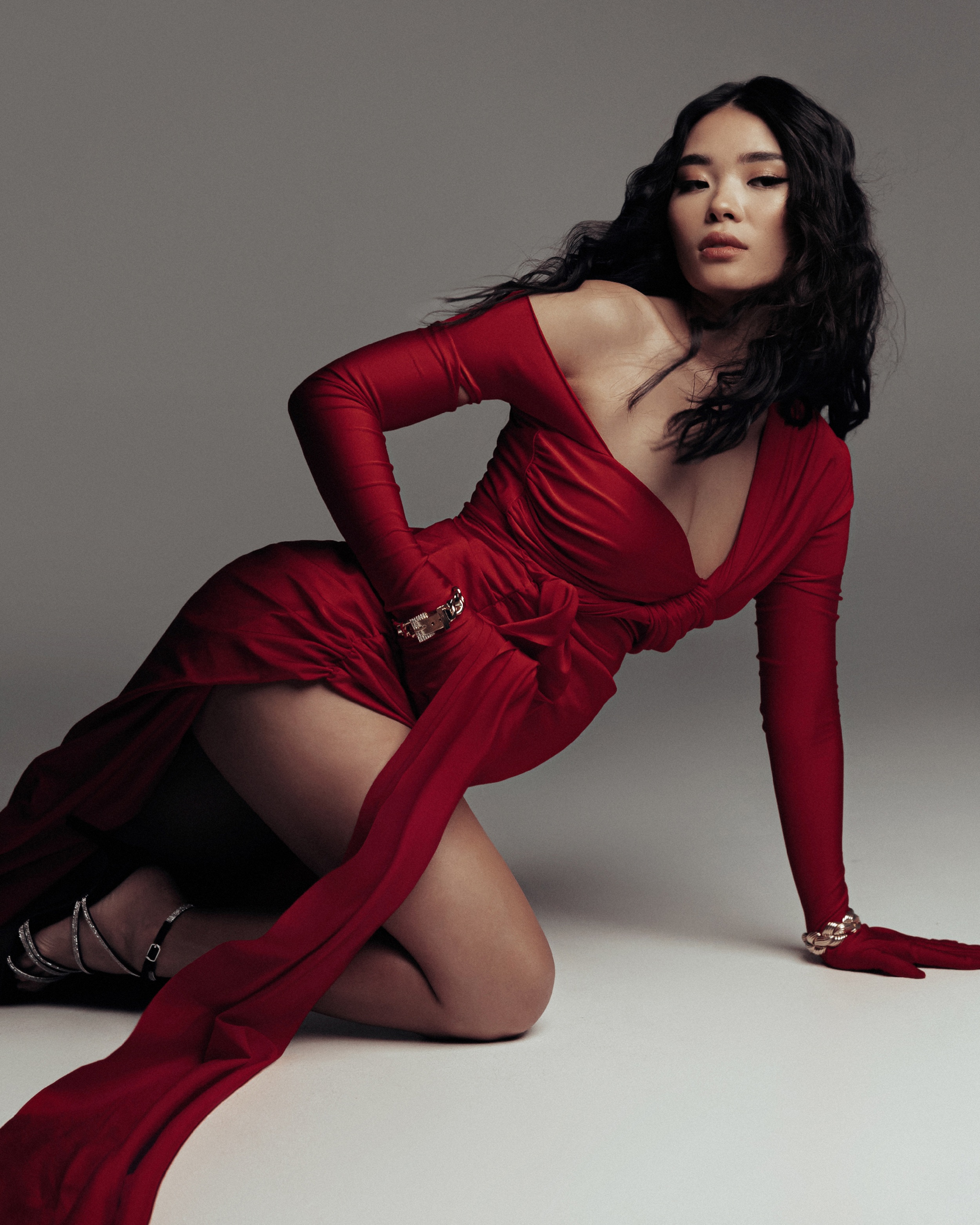
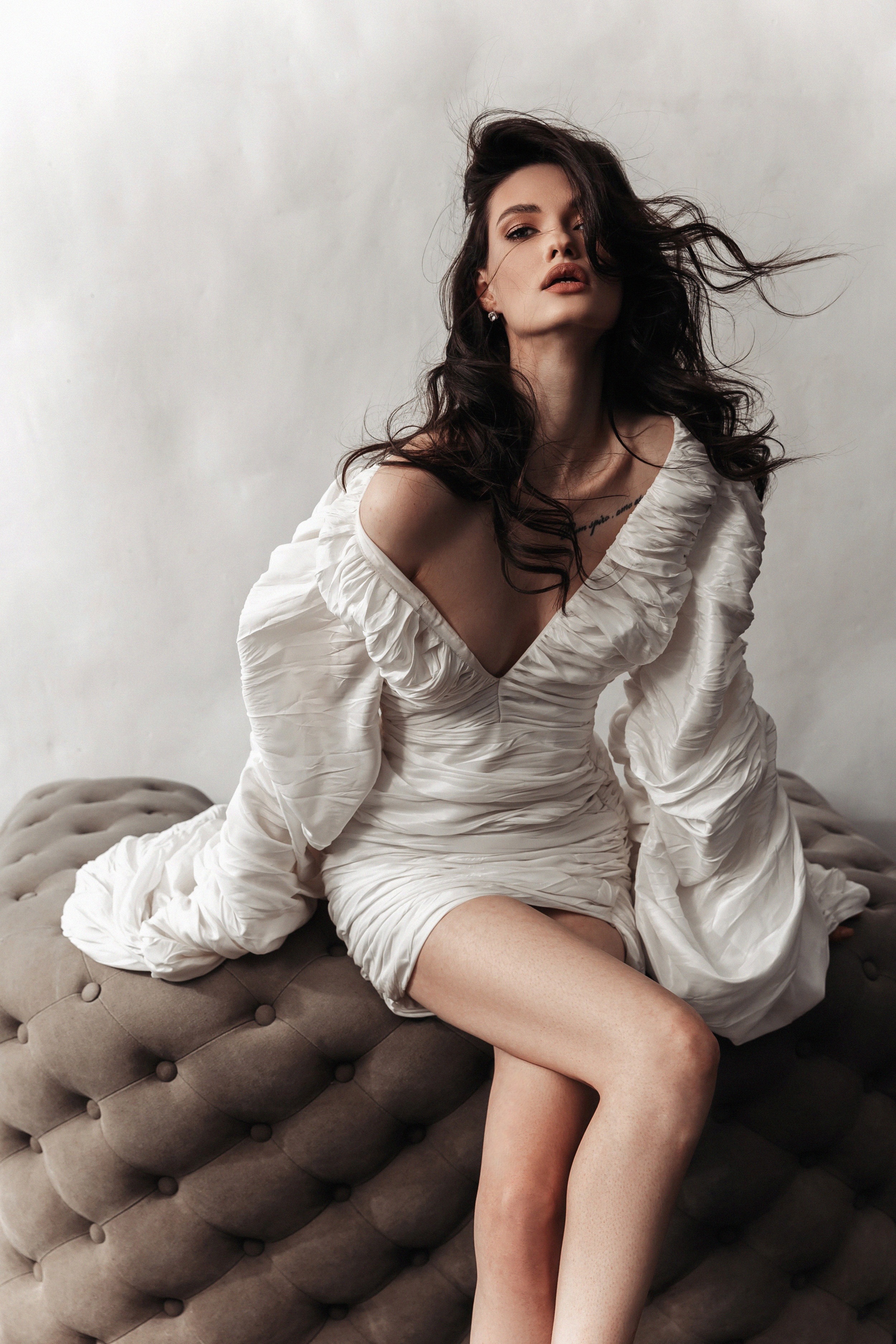
Model in stiliranje: Nastya Gia @t.h.e.g.i.a
Ličenje: Darina Lihacheva @dari_lihacheva
Fotografije: Kamila Bakaeva @bakaevakamila_
Produkcija: Firebird PR Agency @firebirdpragency


