

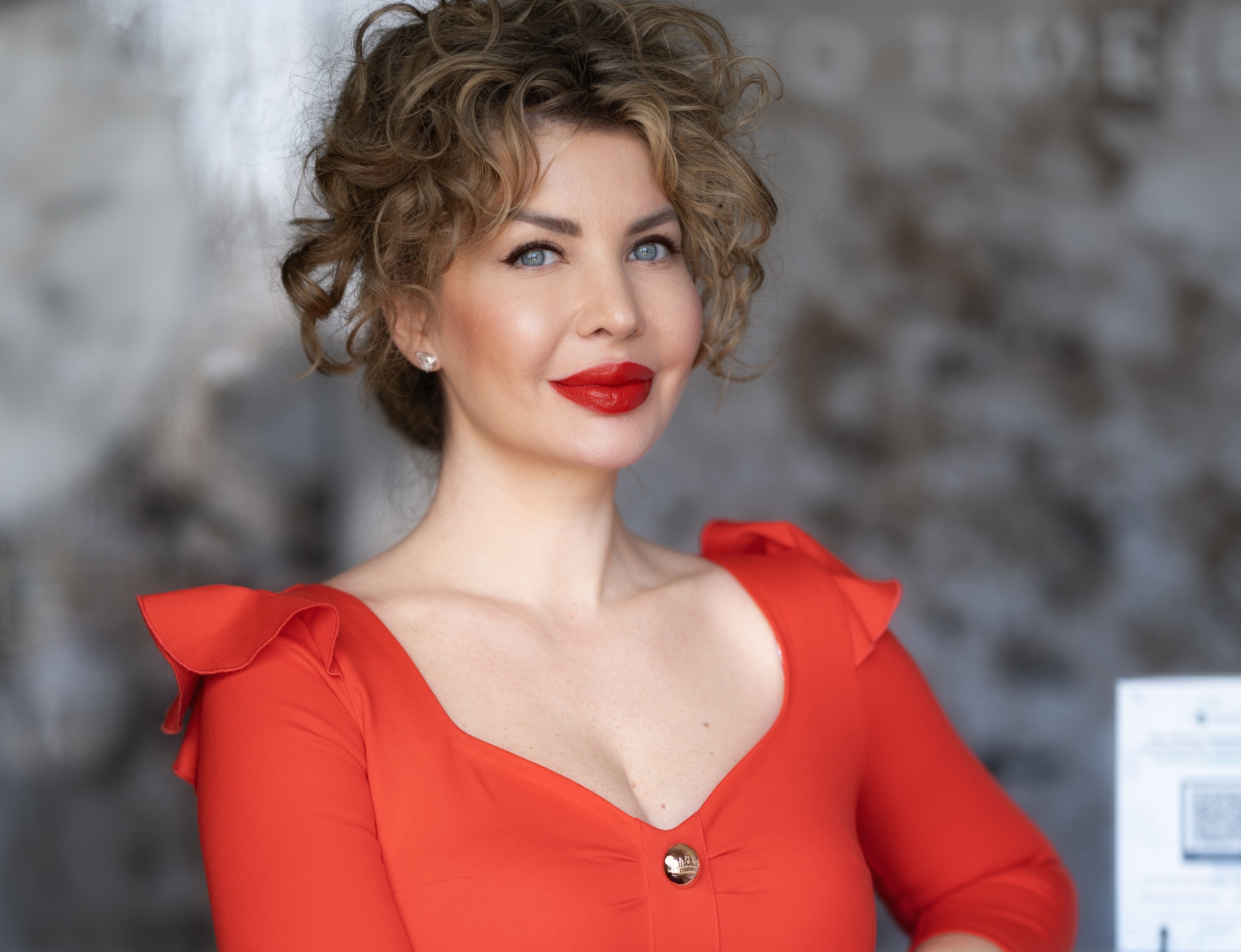
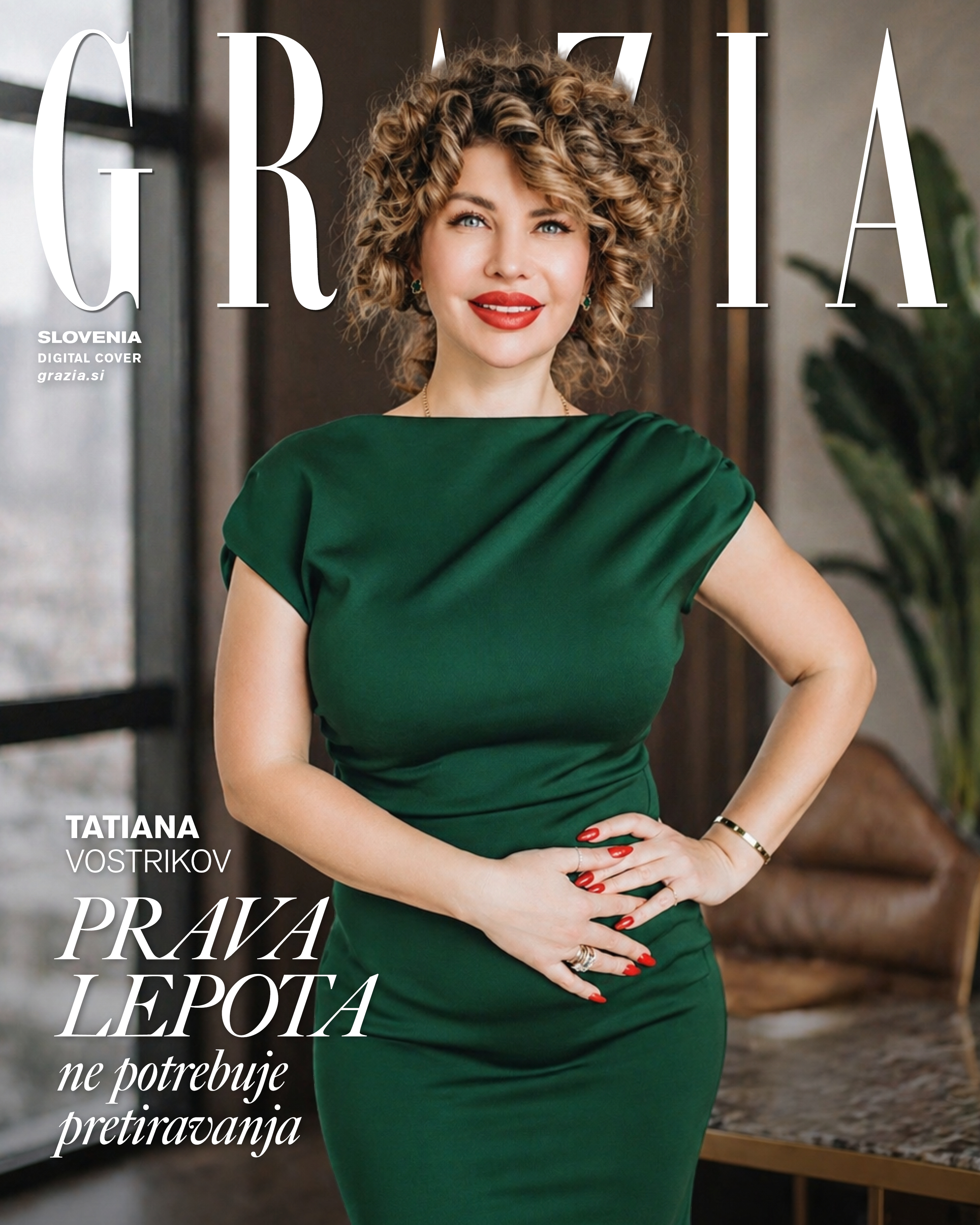
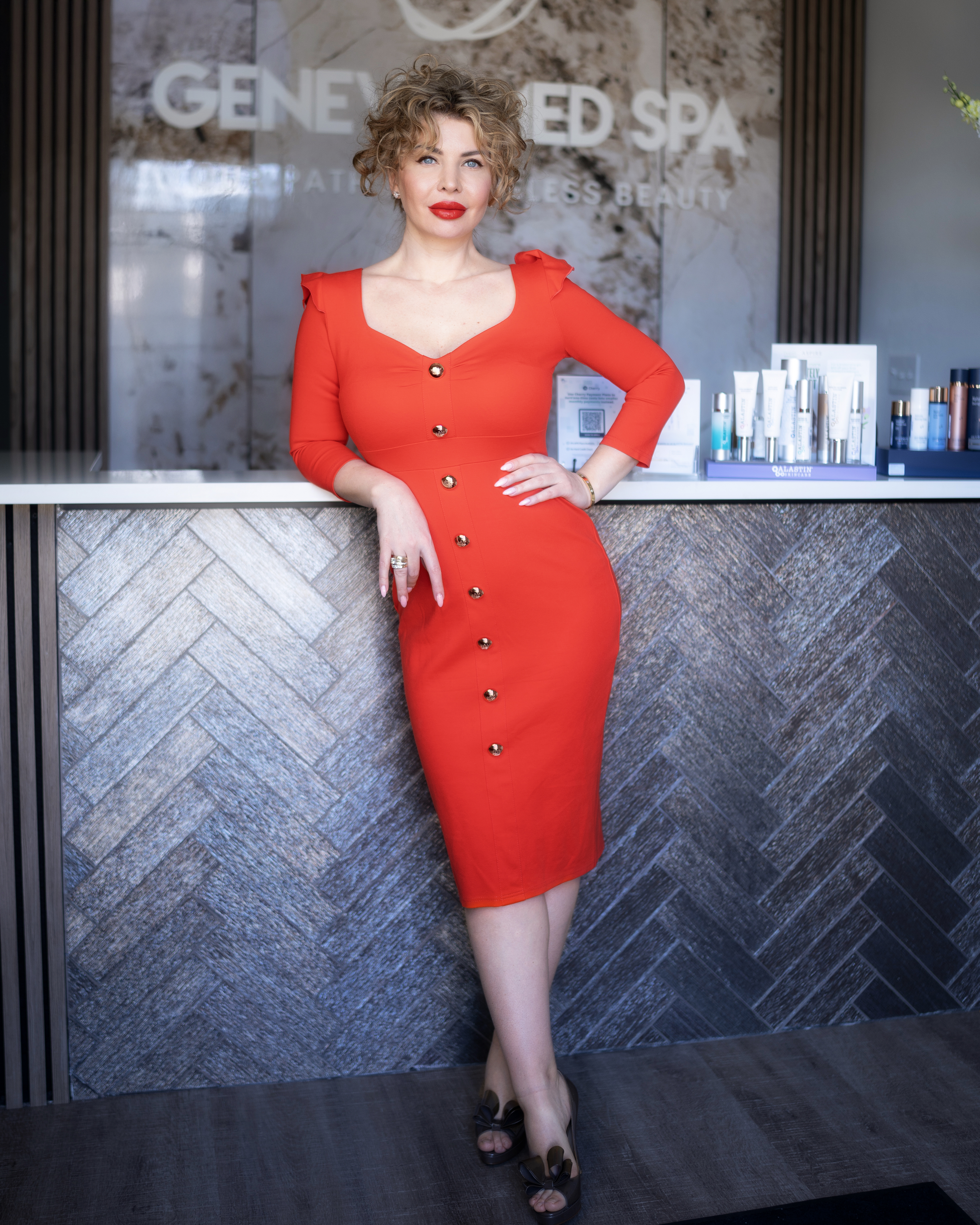
Prihodnost estetske medicine je v subtilnosti, rekonstrukciji, samozavesti in naravni lepoti. Dolga leta je bila estetska medicina predvsem povezana s kozmetičnimi posegi in lepotnimi trendi. Za Tatiano Vostrikov, mednarodno priznano specialistko za permanentni make up, predavateljico, strokovnjakinjo za rekonstruktivno dermopigmentacijo in ustanoviteljico centra Geneva Med Spa, pa estetika pomeni veliko več kot zgolj videz.
S svojim delom v Združenih državah Amerike in Kanadi si je ustvarila ugled na področju naprednih tehnik permanentnega ličenja, medicinske dermopigmentacije, prekrivanja brazgotin in rekonstrukcije po mastektomiji. Njeno delo združuje estetiko, rehabilitacijo in psihološko podporo posamezniku.
Poleg klinične prakse aktivno sodeluje tudi pri izobraževanju strokovnjakov ter razvoju stroke. Njene raziskave se osredotočajo na dermopigmentacijo za prekrivanje brazgotin po poškodbah, mikropigmentacijo pri osebah z alopecijo ter tridimenzionalno rekonstrukcijo areole po mastektomiji. Je članica združenja Society of Permanent Cosmetic Professionals (SPCP) in mednarodna sodnica prestižnega prvenstva World Series of Permanent Makeup v kategoriji Master.
V ekskluzivnem pogovoru govori o rekonstrukciji, samozavesti, umetnosti in razlogih, zakaj se prihodnost lepote oddaljuje od popolnosti ter vse bolj približuje avtentičnosti.
Svoje delo pogosto opisujete kot področje, ki ni povezano le z lepoto, temveč tudi z rehabilitacijo. Kaj s tem mislite?
Veliko ljudi še vedno ne razume, kaj danes v resnici pomeni napredno estetsko delo.
Permanentni make up pogosto dojemajo zgolj kot estetski dodatek, vendar velik del mojega dela predstavljajo pacienti po poškodbah, opeklinah, operacijah, pri alopeciji ali po mastektomiji. V takšnih primerih estetika postane del procesa čustvenega okrevanja. Ko ima nekdo vidno brazgotino na obrazu ali zaradi alopecije izgubi obrvi in trepalnice, ne gre za nečimrnost. Takšne spremembe vplivajo na samozavest, družbene odnose in dojemanje samega sebe. Prav zato me je področje rekonstruktivne dermopigmentacije tako močno pritegnilo.
Vaše nedavne strokovne objave so osredotočene na prekrivanje brazgotin in medicinsko tetoviranje. Zakaj se vam je zdelo pomembno raziskovati to področje tudi z akademskega vidika?
Ker menim, da to področje potrebuje več strokovne strukture in medicinskega razumevanja.
Rekonstruktivna dermopigmentacija je veliko bolj kompleksna, kot si večina ljudi predstavlja. Brazgotinsko tkivo se celi drugače in pigment zadržuje drugače kot zdrava koža, zato je potreben zelo individualen pristop. Pri tem področju me navdušuje prav povezovanje medicinske natančnosti in umetniške občutljivosti. V svojih raziskavah sem se posvečala tehnikam vnosa pigmenta, dolgoročnemu obnašanju barv in predvsem psihološkim učinkom teh posegov. Že zmanjšanje vidnosti brazgotine lahko pomembno vpliva na človekovo samozavest, družabno življenje in čustveno počutje.
Menim, da estetska medicina postaja vse bolj strokovno podprta in temelječa na dokazih, kar predstavlja zelo pozitiven razvoj celotne panoge.
Vaše delo na področju rekonstrukcije po mastektomiji je pritegnilo tudi mednarodno pozornost. Zakaj vam je to področje še posebej blizu?
Ker presega zgolj videz.
Za mnoge ženske rekonstrukcija areole po mastektomiji predstavlja zadnjo stopnjo čustvenega okrevanja. V tem, da nekomu pomagate, da se ponovno dobro počuti ob pogledu nase v ogledalu, je nekaj zelo osebnega in globoko človeškega. Pri svojem delu sem se osredotočila na tehnike tridimenzionalne rekonstrukcije, uporabo svetlobe in sence, plastenje barv ter doseganje naravnih anatomskih rezultatov brez dodatnih kirurških posegov. A še pomembnejši od estetskega učinka je čustveni vpliv. Ko se ženska ob pogledu v ogledalo ne osredotoča več na to, kar je izgubila, se v njej zgodi pomembna notranja sprememba.
Raziskovali ste tudi mikropigmentacijo pri osebah z alopecijo. Kaj vas je pritegnilo k tej temi?
Predvsem njen čustveni vidik.
Obrvi in trepalnice imajo izjemno pomembno vlogo pri obrazni mimiki in osebni identiteti. Veliko ljudi z alopecijo opisuje občutek, da se ne prepoznajo več. V svojih raziskavah sem se osredotočila na tehnike, ki vračajo mehkobo in naraven videz, namesto da ustvarjajo umeten učinek. Cilj nikoli ni bila drastična preobrazba, temveč pomoč ljudem, da se znova počutijo naravno, samozavestno in dobro v svoji koži.
Vaše delo pogosto opisujejo kot izjemno naravno. Je bila to vedno vaša filozofija?
Vsekakor.
Naravna lepota bo vedno brezčasna. Nikoli nisem verjela v pretirano estetiko ali drastične preobrazbe. Najboljše estetsko delo je tisto, ki ostane skoraj nevidno.
Ljudje bi morali opaziti svežino, harmonijo in samozavest, ne pa samega posega. Prav ta filozofija je postala temelj številnih mojih tehnik. Velik poudarek namenjam mehkobi, plastenju, ravnovesju in temu, kako se estetski rezultat razvija skozi čas, ne le temu, kako je videti takoj po posegu.
Ena vaših najbolj prepoznavnih tehnik je Smoky Powder Eyeliner. Kako je nastala?
Razvila se je povsem naravno skozi leta dela in izkušenj.
Tradicionalne tehnike permanentnega črtala lahko sčasoma delujejo preostro ali preveč grafično. Želela sem ustvariti nekaj mehkejšega, bolj elegantnega in bolje prilagojenega naravni anatomiji obraza. Metoda Smoky Powder Eyeliner temelji na plastenju senčenja in nadzorovanem razprševanju pigmenta. Njen namen je ustvariti globino in mehkobo namesto ostrih linij. Zame ni pomembno le, kako rezultat deluje danes, temveč predvsem, kako bo videti čez leta.
Povabljeni ste bili med sodnike mednarodnega prvenstva World Series of Permanent Makeup. Kaj vam profesionalno pomeni takšna vloga?
Predvsem odgovornost, veliko bolj kot status.
Ko ocenjuješ strokovnjake iz različnih držav, hitro ugotoviš, kako pomembni so standardi, izobraževanje in pravilna tehnika. Ne ocenjuješ zgolj estetskega rezultata, temveč tudi natančnost, poznavanje anatomije, varnost, procese celjenja in profesionalnost. Prepričana sem, da standardi, ki jih danes nagrajujemo, pomembno vplivajo na prihodnji razvoj celotne stroke.
Veliko časa posvečate tudi izobraževanju. Kaj vas je spodbudilo k ustanovitvi Geneva Aesthetic Academy?
Opazila sem, da je veliko strokovnjakov zelo nadarjenih, vendar jim pogosto primanjkuje strukturiranega mentorstva.
Panoga se je razvijala izjemno hitro, predvsem zaradi vpliva družbenih omrežij, medtem ko izobraževanje ni vedno sledilo enakemu tempu. Želela sem ustvariti platformo, ki ni osredotočena zgolj na tehnike, temveč tudi na etiko, anatomijo, komunikacijo s pacienti in doseganje naravnih rezultatov. Zame je izobraževanje eden najpomembnejših delov kariere, saj omogoča, da se znanje in visoki standardi širijo tudi zunaj ene klinike ali ene države.
Tudi lepotna industrija se spreminja. Katere premike opažate danes?
Stranke postajajo veliko bolj premišljene.
Mislim, da se ljudje vse bolj oddaljujejo od trendov, ki brišejo individualnost. Želijo si biti podobni sebi, le bolj spočiti, zdravi, nežni in samozavestni. Pretirana estetika se redko dobro stara, tako vizualno kot kulturno. Današnje stranke vse pogosteje sprašujejo o dolgoročni harmoniji, naravnem videzu, subtilnosti in varnosti. Želijo inteligentno estetiko, ne pretirane preobrazbe.
Iskreno verjamem, da je to zelo zdrav razvoj celotne industrije.
Ustvariti mednarodno kariero v več državah ni preprosto. Kaj vam je najbolj pomagalo pri premagovanju izzivov?
Disciplina in doslednost.
Ljudje pogosto vidijo le končni rezultat, ne pa let dela, izpopolnjevanja in predanosti, ki stojijo za njim. Ta poklic zahteva tehnično natančnost, čustveno inteligenco, komunikacijske veščine, umetniško vizijo in nenehno izobraževanje. Razvoj se nikoli ne ustavi, saj se pričakovanja pacientov in standardi stroke nenehno spreminjajo. Prav tako verjamem, da je dolgoročna kredibilnost veliko pomembnejša od trenutne priljubljenosti.
Kaj vas danes najbolj navdihuje?
Napredek in vpliv, ki ga lahko ustvarim.
Navdihuje me, ko pacienti po težkih življenjskih izkušnjah ponovno pridobijo samozavest. Navdihuje me tudi, ko moji študenti postanejo uspešni strokovnjaki in zgradijo svoje kariere. Lepota postaja vse bolj osredotočena na človeka, bolj subtilna in bolj ozaveščena o psihološkem vidiku posameznika.
Verjamem, da prihodnost pripada strokovnjakom, ki razumejo, da estetika nikoli ne bi smela izbrisati individualnosti. Njena naloga je poudariti samozavest, harmonijo in avtentičnost.

______________________________________________________________________________________________________________
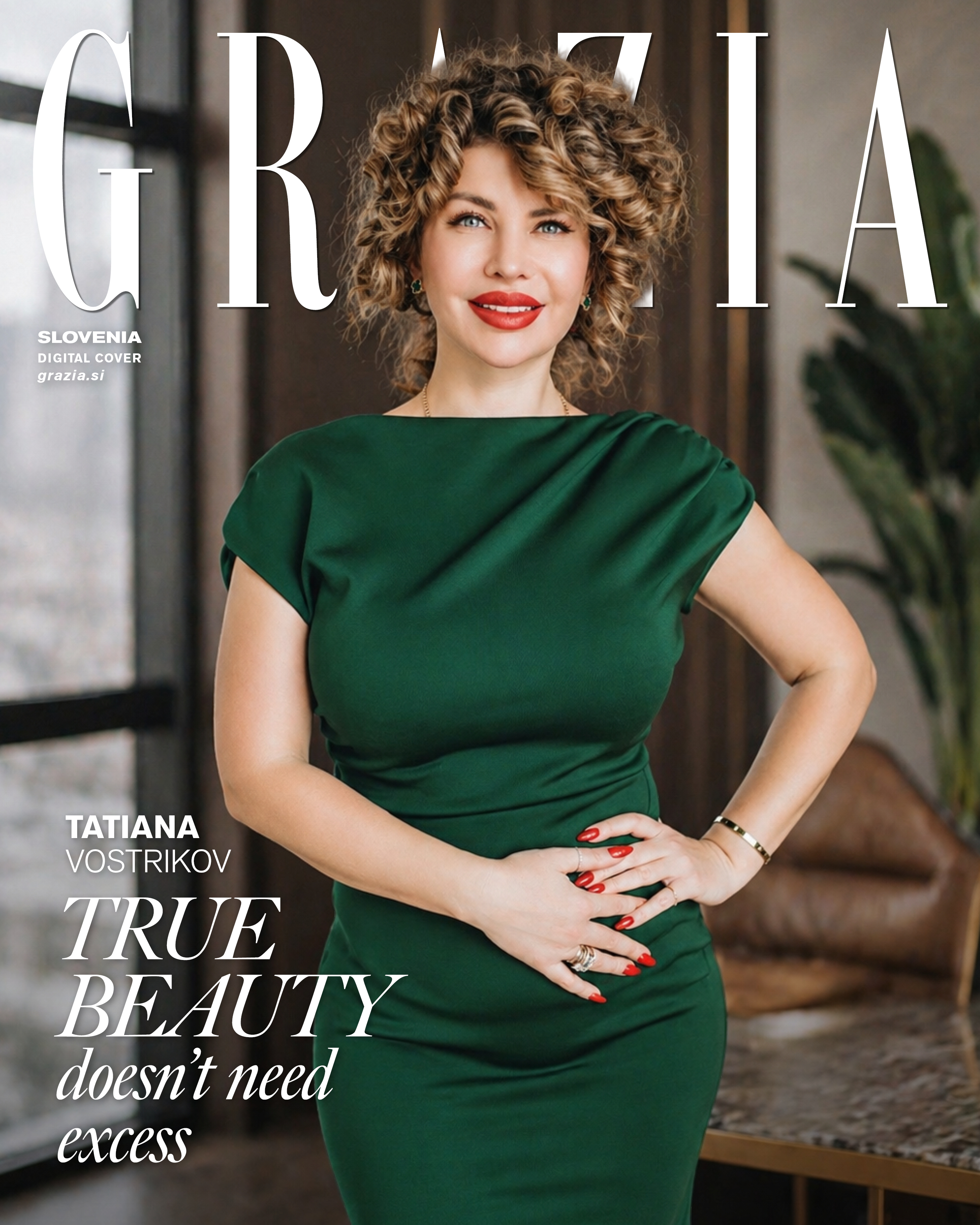
Tatiana Vostrikov
The Future of Aesthetic Medicine Is Subtle: Reconstruction, Confidence, and Natural Beauty
For many years, aesthetic medicine was largely associated with cosmetic enhancement and beauty trends. But for Tatiana Vostrikov — internationally recognized permanent makeup specialist, educator, reconstructive dermopigmentation expert, and founder of Geneva Med Spa — aesthetics has always meant something deeper.
Working across the United States and Canada, Vostrikov built a reputation not only for refined permanent makeup techniques, but also for her work in medical dermopigmentation, scar camouflage, and post-mastectomy reconstruction. Her approach exists at the intersection of aesthetics, rehabilitation, and psychology.
In addition to clinical practice, she actively contributes to professional education and industry dialogue. Her recent publications explore camouflage dermopigmentation for post-traumatic facial defects, micropigmentation for patients with alopecia, and 3D areola reconstruction after mastectomy. She is also a professional member of the Society of Permanent Cosmetic Professionals (SPCP) and was invited to serve as a judge for the World Series of Permanent Makeup international championship in the “Master” division.
In this exclusive interview, Tatiana Vostrikov speaks about reconstruction, confidence, artistry, and why the future of beauty may be moving away from perfection — and toward authenticity.
You often describe your work as being connected not only to beauty, but also to rehabilitation. What do you mean by that?
Because many people still misunderstand what advanced aesthetic work really is today. There is a perception that permanent makeup is purely decorative, but a large part of my work involves patients after trauma, burns, surgery, alopecia, or mastectomy reconstruction. In these situations, aesthetics becomes part of emotional recovery. When someone has a visible facial scar or loses eyebrows and eyelashes because of alopecia, the issue is not vanity. It affects confidence, social interaction, and self-perception. That is why I became deeply interested in reconstructive dermopigmentation.
Your recent publications focus heavily on scar camouflage and medical tattooing. Why was it important for you to research these areas academically?
Because I believe this field needs more structure and more medical-level understanding. Reconstructive dermopigmentation is far more complex than people imagine. Scar tissue heals and retains pigment differently, which is why reconstructive pigmentation requires a much more individualized approach. What fascinates me about this field is that it requires both medical precision and artistic sensitivity at the same time.
My research focused not only on pigment implantation techniques and long-term color behavior, but also on the psychological effect these procedures have on patients. Reducing the visual contrast of a scar often changes how people feel socially and emotionally. I think aesthetics is gradually becoming more evidence-based, and that is a very positive evolution for the industry.
Your work with post-mastectomy reconstruction has also received attention internationally. Why is this area particularly meaningful for you?
Because it goes far beyond appearance.
For many women, areola reconstruction after mastectomy becomes the final stage of emotional healing. There is something profoundly intimate about helping someone feel comfortable in their own reflection again. My work in this area focused on 3D reconstruction techniques, light and shadow dynamics, color layering, and achieving natural-looking anatomical results without additional surgery.
But emotionally, the impact is even more important. When a woman looks in the mirror and no longer focuses on what was lost, something changes internally.
You also researched micropigmentation for patients with alopecia. What drew your attention to that subject?
The emotional side of it.
Eyebrows and eyelashes play a major role in facial expression and identity. Many patients with alopecia describe feeling like they no longer recognize themselves. In my research, I explored techniques designed to restore softness and realism rather than create an artificial effect. Again, the goal was never dramatic transformation. It was helping patients feel natural and confident again.
Your work is often described as extremely natural-looking. Was that always your philosophy?
Absolutely.
Natural beauty will always remain timeless. I never believed in exaggerated aesthetics or dramatic transformations.
The best aesthetic work is invisible. People should notice freshness, harmony, and confidence — not the procedure itself. That philosophy became the foundation of many of my techniques. I focus heavily on softness, layering, balance, and how aesthetic results evolve over time rather than only how they appear immediately after treatment.
One of your best-known techniques is Smoky Powder Eyeliner. How did it emerge?
It developed naturally through years of practice.
Traditional permanent eyeliner techniques can sometimes appear too harsh or graphic over time. I wanted to create something softer, more elegant, and more adaptive to natural anatomy.
The Smoky Powder Eyeliner method is based on layered shading and controlled pigment diffusion. The idea was to create depth and softness rather than rigid lines. What matters to me is not only how a result looks today, but how it will look years later.
You were invited to judge the World Series of Permanent Makeup championship. What does international judging represent professionally?
Responsibility more than status.
When you evaluate professionals from different countries, you realize how important standards, education, and technique truly are. You are not only evaluating beauty — you are evaluating precision, anatomy, safety, healing logic, and professionalism. I believe the standards we reward today influence the future direction of the industry.
You also work extensively as an educator. What inspired you to create Geneva Aesthetic Academy?
I realized that many professionals were talented but lacked structured guidance.
The industry grew very quickly, especially through social media, but education did not always evolve at the same pace. I wanted to create a platform focused not only on techniques, but also on ethics, anatomy, patient communication, and natural-result aesthetics. For me, education is one of the most meaningful parts of my career because it allows knowledge and standards to continue beyond one clinic or one country.
The beauty industry itself seems to be changing. What shifts do you see today?
Clients are becoming much more thoughtful.
I think people are becoming tired of trends that erase individuality. They want to look like themselves — just healthier, softer, more confident.
Extreme aesthetics rarely age well — either visually or culturally. Today’s clients increasingly ask about long-term harmony, natural movement, subtlety, and safety. They want intelligent aesthetics, not exaggerated transformation. And honestly, I think that is a healthier direction for the industry.
Building an international career across multiple countries is not easy. What helped you most through challenges?
Discipline and consistency.
People often see only the final result, not the years of discipline and refinement behind it. This profession requires technical control, emotional intelligence, communication skills, artistic vision, and constant education all at the same time. You cannot stop evolving because patient expectations and industry standards constantly change. I also believe long-term credibility matters far more than temporary popularity.
What inspires you most today?
Growth and impact.
I am inspired when patients regain confidence after difficult experiences. I am inspired when students become strong professionals and build successful careers of their own.
Beauty is becoming more human-centered, more subtle, and more psychologically aware. And I believe the future belongs to specialists who understand that aesthetics should never erase individuality — it should help reveal confidence, harmony, and authenticity.