


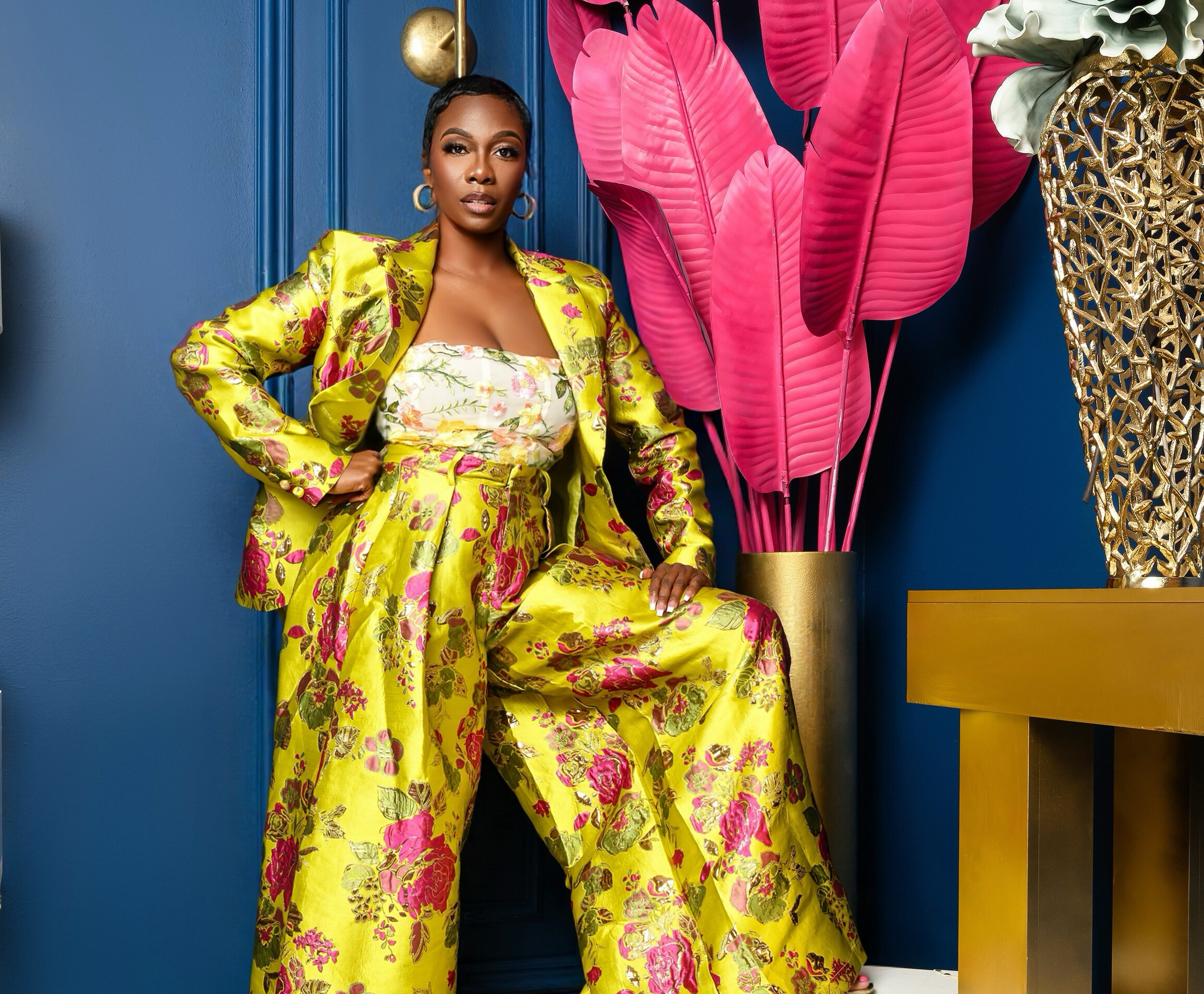
Taquiela Delisa Rose opisuje pot iz sveta inženiringa v luksuzno modno ustvarjanje. Razkriva, kako so risbe iz obdobja skrbi za bolno mamo prerasle v blagovno znamko Delisa Rose Luxury Lingerie, ter kako sta jo diagnoza glavkoma in življenjska negotovost spodbudili, da je ustvarjanje dojela kot obliko ozdravljenja, molitve in moči.
Taquiela, vaša pot vas je popeljala iz inženiringa v luksuzno modo. Kdaj ste prvič začutili, da vas ustvarjalnost kliče v novo poglavje, povsem drugačno od dosedanjega?
Ustvarjalnost me je klicala že leta, vendar je nisem takoj prepoznala kot novo poglavje. Že od srednje šole obožujem spodnje perilo, moda pa je bila vedno nekje v meni. Leta 2019, ko je bila moja mama resno bolna, sem začela skicirati halje in domača oblačila. Ustvarjanje mi je dalo prostor, da sem lahko umestila ljubezen, strah in čustva, ki sem jih nosila s seboj. Ko je leta 2020 umrla, sem še naprej poslušala ženske in razmišljala, kaj jim daje občutek lepote, samozavesti in tega, da jih vidijo. Takrat je ideja presegla skice. Postala je Delisa Rose — način, kako nekaj globoko osebnega pretvoriti v nekaj, kar lahko začutijo tudi druge ženske.
Po več kot dveh desetletjih v inženiringu: kaj vam je dalo pogum, da ste zapustili znani profesionalni svet in zgradili Delisa Rose Luxury Lingerie?
Resnica je, da nisem zapustila inženiringa — in mislim, da je pomemben del moje zgodbe. Delisa Rose sem gradila hkrati, ko sem še naprej opravljala svojo kariero inženirke in strokovnjakinje za kakovost. Dolgo časa sem mislila, da moram izbrati samo eno identiteto, a sem se nato vprašala: zakaj ne bi mogla biti oboje? Inženiring izziva moj um; moda pa govori mojemu duhu in strasti. Pogum je prišel iz sprejetja, da za večdimenzionalnost ne potrebujem dovoljenja. Izgradnja luksuzne znamke ob delu za polni delovni čas ni bila lahka, vendar me je naučila, da novo poglavje ne pomeni nujno, da moraš predhodnega zapreti. Včasih se razširi celotna knjiga.
Katere spretnosti ali načini razmišljanja iz inženiringa še naprej vplivajo na vaše delo kot oblikovalke in ustanoviteljice?
Skoraj vse. Inženiring me je naučil opazovati, kako stvari delujejo, predvidevati odpoved, reševati težave in nenehno izpopolnjevati, dokler rezultat ne izpolni standarda. Enak miselni pristop prenašam v krojenje, konstrukcijo, meritve, izkoristek blaga in proizvodnjo. Čudovita ideja mora še vedno delovati na resničnem telesu. Kot ustanoviteljica mi moja kakovostna izobrazba daje tudi posebno pozornost do izdelave in doslednosti. Opazim drobne stvari: šiv, ki je malo zamaknjen, košarica, ki potrebuje več opore, ali detajl, ki poruši ravnotežje silhuete. Inženiring mi je dal disciplino. Moda mi je dala disciplini čudovit dom.
Vaši modeli so znani po natančnosti in kiparski (skulpturalni) konstrukciji. Ali se pri korzetu ali bodiju približate skoraj tako, kot bi inženir pristopil k zapleteni strukturi?
Seveda. Korzet ali bodi je struktura. Ima obremenitve, napetost, ravnotežje, gibanje in točke, ki potrebujejo oporo. Razmišljam, kje oblačilo nosi pritisk, kako se bo odzvalo, ko model hodi, in ali bo dizajn držal svojo predvideno obliko, ne da bi se telo “upiralo”. Nato razmišljam še o proporcih in vizualnem ravnotežju — kje naj bo posajen cvet, kam naj se razteza trta ali kako negativni prostor naredi telo bolj skulpturalno. Skiciram ustvarjalno, a ovrednotim tehnično. Ta preplet domišljije in konstrukcije je resnični podpis Delise Rose.

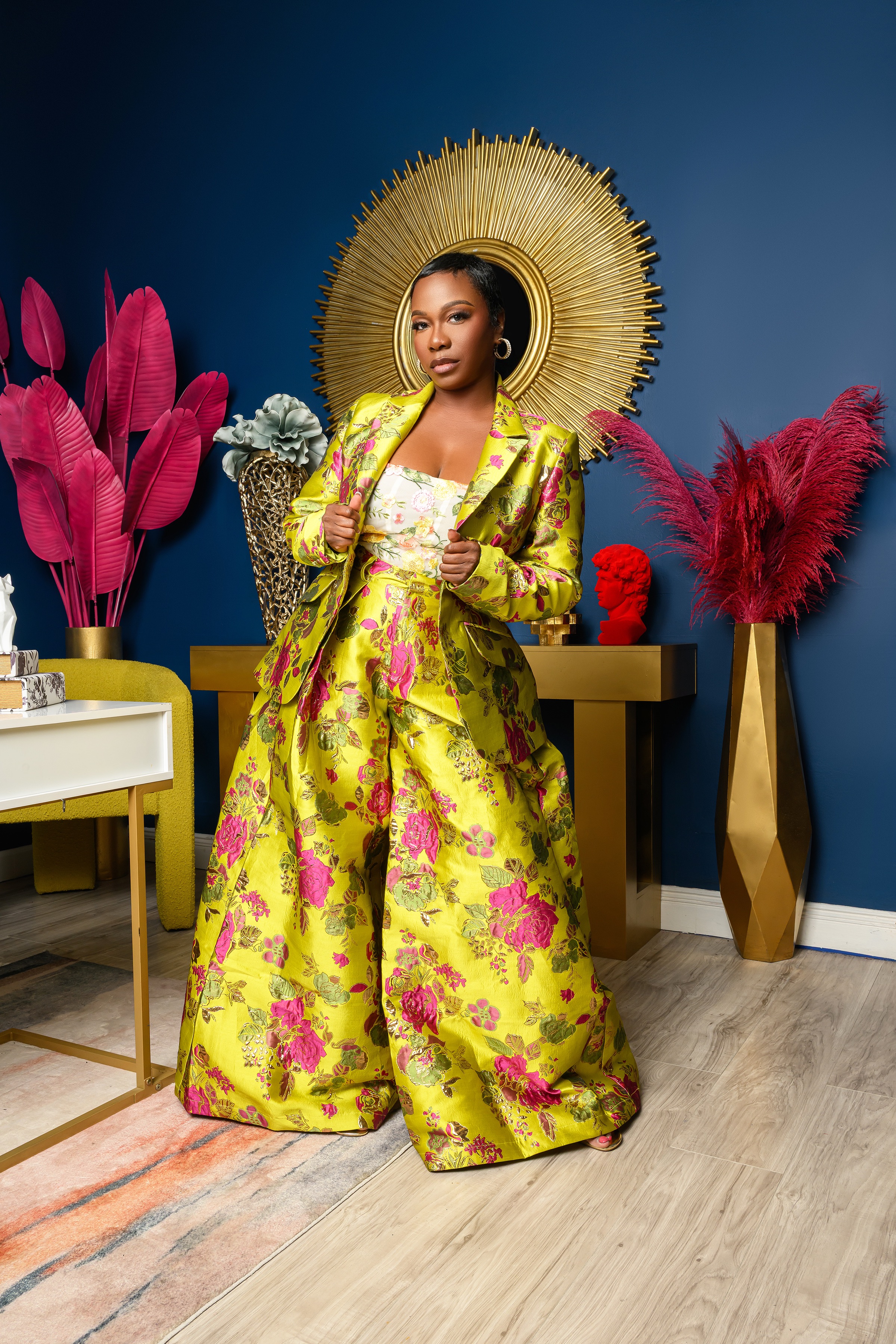
Diagnoza glavkoma je prišla v obdobju, ki je bilo že samo po sebi zahtevno. Kako je preoblikovala način, kako ste videli svoje življenje, svoj namen in vaše ustvarjalno delo?
Diagnoza je vse naredila takojšnje. Spremljala sem spremembe v svojem vidu v realnem času, slišala, da so bile moje očesne napetosti še vedno previsoke, in se pripravljala na možnost operacije. Hkrati sem se spopadala še z zamaščenim žolčevodom in prestajala posege tudi zaradi tega. Bilo je “ena stvar za drugo”. Morala sem se soočiti s tem, koliko sem odlašala, ker sem domnevala, da bo vedno še več časa. Glavkom je spremenil način, kako vidim namen — dobesedno in čustveno. Opomnil me je, da darovi, ki mi jih je dal Bog, niso namenjeni temu, da bi mirno čakali v zvezku. Potrebovala sem ustvarjati, deliti delo in živeti polno, dokler je bilo še mogoče.
Ko je bil vaš vid v resnici ogrožen, kaj se je zgodilo z vizijo, ki ste jo ustvarili za svojo prihodnost?
Za trenutek je postalo težje videti — ne zato, ker bi sanje izginile, ampak ker je strah postal glasnejši. Spraševala sem se, kakšno bi bilo moje življenje, če bi se mi vid še naprej spreminjal. Spraševala sem se, ali bom še lahko oblikovala tako, kot sem želela. A sčasoma je vizija za mojo prihodnost postala jasnejša in bolj nujna. Nehala sem jo obravnavati kot nekaj, kar lahko še naprej odlagam. Moj telesni vid je bil na udaru, a vizija, ki jo je Bog položil vame, je še vedno bila tam. Če sploh — držala sem se je še bolj trdno. Postala je razlog, da sem še naprej šla naprej, ko se je vse okoli mene zdelo negotovo.
Je bil kakšen poseben trenutek, ko je ustvarjalnost prenehala biti le vaš poklic in je postala del vašega procesa ozdravljenja?
Da. Zgodilo se je v tihih trenutkih, ko sem bila bolna in sem se še vedno zalotila, da razmišljam o cvetju, čipki, strukturi — in o tem, v kaj bi se lahko preoblikoval naslednji videz. Oblikovanje mi je dalo prostor, da sem lahko “spravila” občutke, ki jih včasih nisem znala vedno pojasniti. Nekateri dnevi so se mi zdeli, kot da sem v svojem lastnem vrtu brez vode — kot da se listi okrog mene sušijo. A še vedno sem lahko z rokami ustvarila nekaj živega. Takrat sem razumela, da ustvarjalnost ni samo delo zame. Je oblika molitve, upanja in zdravljenja. Vsak končan kos je bil dokaz, da sem še tukaj in da sem še sposobna ustvarjati lepoto.
Naslov Vrt Delise prikliče rast, lepoto in obnovo. Kako je ideja za to kolekcijo najprej začela “kaliti”?
Ideja je začela kot vrt — kot metafora za ženskost in za moje lastno življenje. Vrt je lahko čudovit, vendar zahteva nego. Ima letne čase. Lahko izgleda suh in skoraj brez življenja, potem pa se ob vodi in svetlobi odzove na načine, ki vas presenetijo. Ko sem krmarila skozi svoje zdravje, sem se počutila, kot da osebno živim skozi ta cikel. Želela sem, da kolekcija pokaže žensko, ki se premika iz krhkosti in negotovosti v rast, senzualnost in polno moč. Vrt Delise ni samo cvetlična kolekcija. Je moje pričevanje v čipki, satenu, trtah in skulpturalnih cvetnih listih.
Kolekcija spremlja potovanje od negotovosti do regeneracije. Kako osem posameznih videzov predstavlja različne stopnje tega čustvenega preoblikovanja?
Vzletna steza se začne nežno z Garden Awaken — to predstavlja prvi znak vrnitve življenja. Architecture Bloom sledi z arhitekturo, strukturo in namero — trenutek, ko začneš znova graditi. IVY vpelje rast po telesu, Emerald Botanical pa to rast poglobi v nekaj bolj bogatega in bolj samozavestnega. Bloom Armor je moč: ženstvenost, ki se ne opravičuje več, ker se želi zaščititi. Midnight Garden Shift prizna temnejši, bolj skrivnosten del poti. Forbidden Bloom je senzualen, kljubovalen in brez strahu. Crimson Thorn zgodbo zaključi s polno močjo. Takrat ženska na vrtu ni zgolj preživela — vrt ima v lasti. Barvna pot se giblje od nežno-rožnatega prebujanja do zelene regeneracije, nočne globine in rdeče (crimson) finale.
Vezenimi čipkami, satenom in ročno oblikovanimi organza cvetovi imajo v kolekciji pomembno vlogo. Kaj vam omogoča vsak od teh materialov izraziti?
Vsak material govori drug jezik. Vezen(a) čipka mi omogoča prikazovanje prefinjene rasti — trte in listi se po telesu premikajo skoraj tako, kot da so živi. Satin prinese bogastvo, prefinjen sijaj in tisti neponovljivi občutek luksuza ob koži. Ročno skulpturirani organza cvetovi ustvarijo dimenzijo in gibanje; omogočajo, da se “vrt” dvigne z oblačila in ne ostane raven. Organza lahko deluje nežno, vendar ko jo plastimo in oblikujemo, dobi svojo prisotnost. Skupaj materiali izrazijo to, za kar kolekcija v resnici gre: mehkobo s strukturo, senzualnost z namero in lepoto, ki je bila zgrajena — ne zgolj okrašena.
Je v Vrtu Delisa kakšen videz, ki se vam zdi še posebej oseben ali tesno povezan z vašo lastno zgodbo?
Garden Awaken mi je še posebej osebni, ker predstavlja prelomni trenutek. To je prvi trenutek, ko spoznaš, da se morda res spreminja letni čas — ko se svetloba začne vračati in nekaj, za kar si mislila, da miruje, začne znova reagirati. Nežni rožnati odtenki, cvetni listi in cvetlični vezenini delujejo nežno, bodysuit pa ima pod to nežnostjo še vedno močno strukturo. To je zelo blizu temu, kako sem doživljala to poglavje: bila sem ranljiva, vendar ne brez moči. Odprtje revije s tem videzom je, kot da občinstvu pokažem natanko trenutek, ko se je moj vrt znova začel prebujati.
Cvetovi so pogosto povezani z nežnostjo, a hkrati preživijo težke sezone in znova zacvetijo. Je bil ta kontrast pomemben za kolekcijo?
Zelo pomemben. Nisem želela, da bi cvetovi predstavljali le krhkost. Cvetovi zdržijo vročino, nevihte, obrezovanje in sezone, ko se nad zemljo zdi, da se ne dogaja nič. Potem, ko se razmere spremenijo, spet zacvetijo. Ženske razumejo takšno moč. Lahko smo nežne, ne da bi bile šibke, in lepe, ne da bi nas težave pustile nedotaknjene. Ta kontrast je vodil celotno kolekcijo. Cvetlični motivi so ženstveni in romantični, vendar so umeščeni na korzetno konstrukcijo, skulpturalne silhuete in močne temelje. Sporočilo je, da lahko sobivata nežnost in odpornost v istem telesu.
Vaša predstavitev 13. septembra v okviru New York Fashion Week-a pomeni veliko več kot še ena revija na modni pisti. Kaj vam ta trenutek pomeni osebno?
Zdi se mi kot vrnitev k sebi. Po dveh letih odsotnosti z modnih pist me je Flying Solo povabila nazaj v enem izmed najtežjih obdobij mojega življenja. To kolekcijo sem skoraj leto dni tiho nosila v sebi — gradila sem jo skozi bolezen, postopke, težke novice in trenutke, ko nisem vedela, kakšen bo videti naslednji mesec. Zato 13. september ni samo datum predstave. Je dokaz, da sem vztrajala. Ko se teh osem videzov v New Yorku pojavi na pisti, bom spremljala fizični rezultat molitev, dela, podpore in odpornosti. To je blagoslov, ki ga ne jemljem zlahka.
Katere občutke želite, da publika doživi, ko se na pisto vključi prvi videz — in ko zadnji videz izgine?
Ko se Garden Awaken pojavi, želim, da se dvorana umiri — radovedno. Želim, da publika začuti, da se nekaj prebuja, da priča začetnemu vdihu zgodbe. Ko se kolekcija poglablja v temnejše, zelenje in bolj dramatične tone, želim, da se radovednost preoblikuje v zapeljivost, moč in pričakovanje. Ko The Crimson Thorn izgine, želim, da ljudje začutijo olajšanje in triumf. Da razumejo: ženska, ki jo srečajo na začetku, ni ista kot ženska, ki zapusti pisto. Šla je skozi vrt, se soočila s trni in prispela v polnem razcvetu.
Kot ustanoviteljica pozicionirate spodnje perilo ne le kot nekaj intimnega, ampak kot nosljivo haute couture. Zakaj je pomembno, da izzivate tradicionalne meje med spodnjim perilom in visoko modo?
Spodnje perilo že vedno zahteva izjemno spretnost. Prileganje, opora, proporci in konstrukcija morajo delovati v razdalji “centimetrov” do kože, zato se slaba izdelava nikjer ne more skriti. Pa vendar se spodnje perilo pogosto obravnava kot nekaj, kar je drugotnega pomena glede na modo, ali pa je omejeno na spalnico. To želim izzvati. Korzet, bodi ali kiparska modrčka lahko nosijo enak koncept, mojstrstvo in kulturni pomen kot katerakoli obleka. Lahko je intimno — in hkrati še vedno ukazuje modni pisti. Delisa Rose je ideja, da spodnje perilo zavzame več prostora: da je vidno kot nosljiva couture, oblikovano drzneje in spoštovano kot resna zasnova.
Kako uravnotežite senzualnost, moč in prefinjenost, ne da bi ena kakovost preglasila drugo?
Izhajam iz namere. Senzualnost ne pomeni nujno pokazati vsega, moč pa ne pomeni, da mora oblačilo delovati trdo. Za ravnotežje uporabljam obliko, postavitev in zadržanost. Prosojna plošča lahko razkrije kožo, vendar jo strukturiran šiv opremi z avtoriteto. Dramatičen cvet pritegne pogled, a okoliška silhueta ostane čista. Razmišljam tudi o tem, kako se ženska počuti v oblačilu. Če se mora nenehno prilagajati ali se ne počuti podprto, prefinjenost izgine. Cilj je, da se počuti senzualno, ker je varna; močna, ker ji je udobno; prefinjena pa zato, ker vsak detajl pripada istemu prostoru in ideji.
Kot ustanoviteljica luksuzne znamke v lasti črncev: ste kdaj čutili, da morate svojo vizijo dokazovati drugače kot drugi oblikovalci?
Da, sem. Kot Črna ženska, ki gradi samofinancirano luksuzno znamko, sem zelo zavedna, da lahko ljudje dvomijo v ceno, obseg ali legitimnost vizije, še preden v celoti razumejo mojstrstvo, ki je v ozadju. Včasih se zdi, kot da se od odličnosti zahteva, preden sploh obstanejo dostop, sredstva ali potrpežljivost. To je lahko izčrpavajoče, vendar me je tudi zelo jasno usmerilo k mojim standardom. Ne želim, da bi bil Delisa Rose “impresiven” samo znotraj neke kategorije. Želim, da se delo presoja skupaj z luksuznimi znamkami kjerkoli po svetu. Vem, kaj gradim, in naučila sem se, da se vizije ne zmanjšuje samo zato, da bi drugi šele kasneje prepoznali njeno vrednost.
Kaj vam pomeni graditi črni luksuz — poleg predstavitve in vidnosti?
Črni luksuz pomeni lastništvo, izdelavo in trajnost. Pomembna je reprezentacija, vendar želim, da si tudi sami lastimo oblikovni jezik, intelektualno lastnino, odnos s kupci in podjetja, ki ustvarjajo priložnosti za generacije. Luksuz mora vključevati naše zgodbe, brez da jih zmanjšamo na trend ali trenutek “raznolikosti”. Zame pomeni ustvariti delo z toliko skrbnosti in značajem, da postane del širšega modnega pogovora — in obenem zgraditi infrastrukturo, da to delo obstane. Želim, da mlada črnska oblikovalka vidi Delisa Rose in razume, da lahko ustvarja lepoto, postavi premium standard, nadzoruje svojo zgodbo in zgradi nekaj, kar je vredno zapuščine.
Kaj so vas najbolj težka obdobja podjetništva naučila o odpornosti — in o vas sami?
Naučila so me, da je odpornost manj glamurozna, kot jo ljudje radi opisujejo. Včasih je odpornost preprosto naslednji odgovor na elektronsko pošto, popravljanje naslednjega izdelka ali sprejetje še ene odločitve, ko si utrujena in razočarana. Naučila sem se preusmerjati brez opuščanja vizije, naučila sem se prositi za pomoč in zaščititi standard tudi takrat, ko je časa malo. Naučila pa sem se tudi, da sem mnogo močnejša, kot sem mislila — in da mi ni treba vsega nositi sama, da bi to dokazovala. Podjetništvo mi je razkrilo mojo potrpežljivost, trmo, mojo vero in sposobnost, da še naprej ustvarjam, tudi ko razmere še zdaleč niso idealne.
Ko vstopate v to novo osebno in profesionalno poglavje: kaj želite, da bo Delisa Rose predstavljala ženskam, ki se tudi same učijo ponovno zacveteti po težavah?
Upam, da bo Delisa Rose predstavljala dovoljenje — dovoljenje, da se začne znova; dovoljenje, da je lahko še senzualna tudi po tem, ko si preživela; dovoljenje, da ješ ambiciozna tudi po razočaranju; in da zavzameš prostor, še preden se vse zdi popolno. Želim, da ženske razumejo: težka sezona ne sme napisati konca njihove zgodbe. Vrt lahko nekaj časa izgleda suh, vendar to ne pomeni, da so korenine mrtve. Moje upanje je, da si bo vsaka ženska, ki se sreča s to kolekcijo, zapomnila: lahko je v svojem vrtu, ga lahko zalije in iz njega raste. Ni ji treba čakati, da bo nekdo drug prinesel dež.
____________________________________________________________________
The Garden of Delisa: How Engineering Became Luxury Creativity
Taquiela Delisa Rose shares her journey from engineering to crafting luxury fashion. She explains how her early sketches grew into Delisa Rose Luxury Lingerie, and how a glaucoma diagnosis and life’s uncertainty taught her to see creation as a form of healing, prayer, and power.
Taquiela, your journey has taken you from engineering to luxury fashion. When did you first realize that creativity was calling you toward an entirely new chapter?
Creativity had been calling me for years, but I did not recognize it as a new chapter right away. I have loved lingerie since high school, and fashion was always somewhere in me. In 2019, while my mother was seriously ill, I began sketching robes and loungewear. Creating gave me somewhere to place the love, fear and emotion I was carrying. After she passed in 2020, I kept listening to women and thinking about what made them feel beautiful, confident and seen. That is when the idea grew beyond sketches. It became Delisa Rose—a way to turn something deeply personal into something other women could feel for themselves.
After more than two decades in engineering, what gave you the courage to leave a familiar professional world and build Delisa Rose Luxury Lingerie?
The truth is, I did not leave engineering—and I think that is an important part of my story. I built Delisa Rose while continuing my career as an engineer and quality professional. For a long time, I thought I had to choose one identity, but I eventually asked myself: why can’t I do both? Engineering challenges my mind; fashion speaks to my spirit and passion. The courage came from accepting that I did not need permission to be multidimensional. Building a luxury brand while working full time has not been easy, but it has taught me that a new chapter does not always require closing the one before it. Sometimes you expand the whole book.
Which skills or ways of thinking from engineering continue to influence your work as a designer and founder?
Almost all of them. Engineering taught me to study how things work, anticipate failure, solve problems and keep refining until the result meets the standard. I bring that same mindset to fit, construction, measurements, fabric yield and production. A beautiful idea still has to function on a real body. As a founder, my quality background also makes me very attentive to workmanship and consistency. I notice the small things: a seam that is slightly off, a cup that needs more support, or a detail that interrupts the balance of a silhouette. Engineering gave me discipline. Fashion gives that discipline somewhere beautiful to live.
Your designs are known for their precision and sculptural construction. Do you approach a corset or bodysuit almost as an engineer might approach a complex structure?
Absolutely. A corset or bodysuit is a structure. It has load, tension, balance, movement and points that need support. I think about where the garment is carrying pressure, how it will respond when the model walks, and whether the design will hold its intended shape without fighting the body. Then I think about proportion and visual balance—where a flower should sit, where a vine should travel, or where negative space makes the body look more sculpted. I sketch creatively, but I evaluate technically. That marriage between imagination and structure is really the Delisa Rose signature.

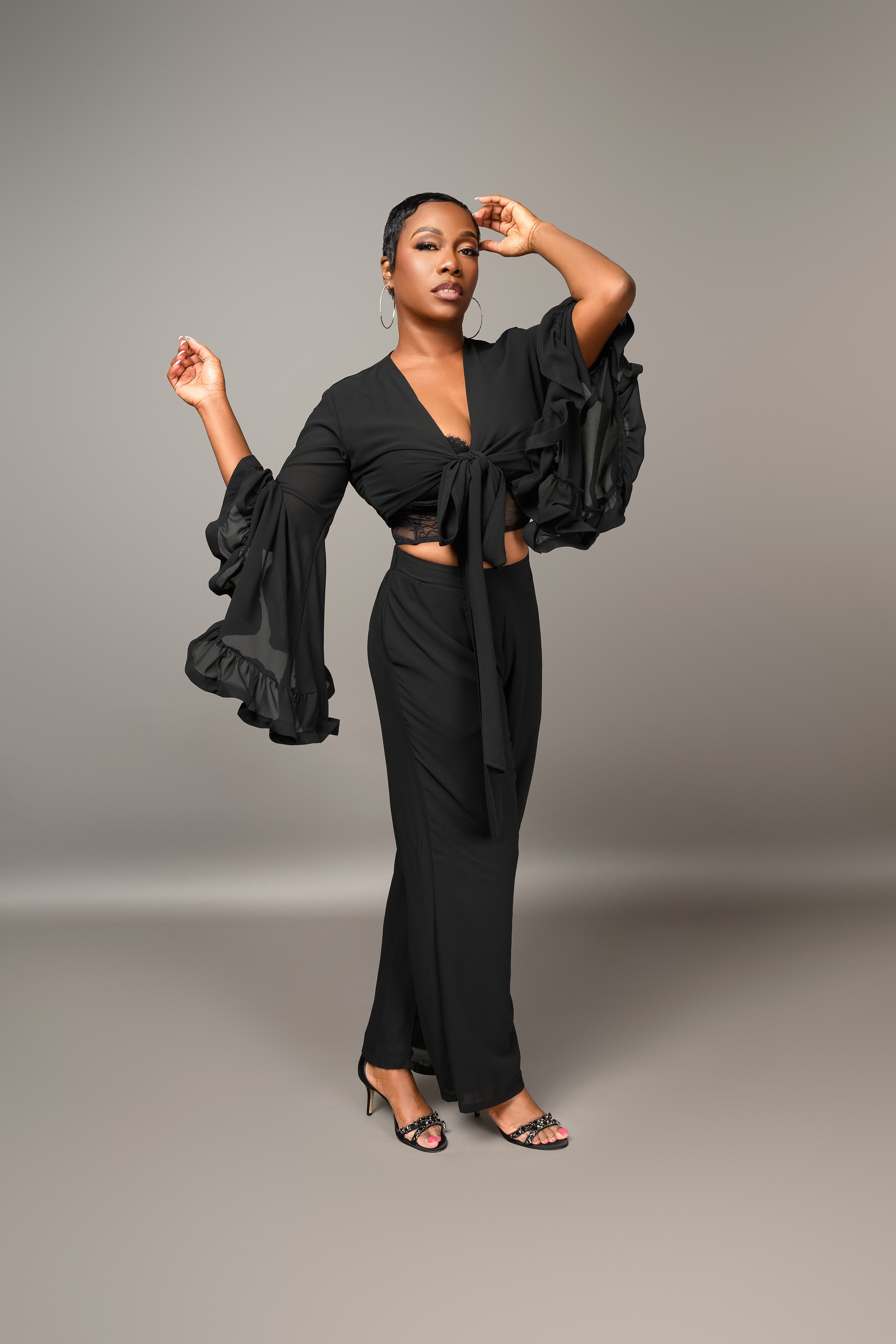
Your glaucoma diagnosis arrived during an already challenging period. How did it reshape the way you viewed your life, your purpose and your creative work?
The diagnosis made everything feel immediate. I was watching changes in my vision in real time, hearing that my eye pressures were still too high and preparing myself for the possibility of surgery. At the same time, I was also dealing with a blocked bile duct and undergoing procedures for that. It was blow after blow. I had to confront how much I had postponed because I assumed I would always have more time. Glaucoma changed the way I see purpose—literally and emotionally. It reminded me that the gifts God gave me are not meant to sit quietly in a notebook. I needed to create, share the work and live fully while I could.
When your physical vision was challenged, what happened to the vision you had created for your future?
For a moment, it became harder to see—not because the dream disappeared, but because fear got louder. I wondered what my life would look like if my eyesight continued to change. I wondered whether I would still be able to design the way I wanted to. But eventually the vision for my future became clearer and more urgent. I stopped treating it like something I could keep putting off. My physical vision was being challenged, but the vision God placed inside me was still there. If anything, I held onto it more tightly. It became a reason to keep moving when everything around me felt uncertain.
Was there a particular moment when creativity stopped being simply your profession and became part of your healing process?
Yes. It happened during the quiet moments when I was sick and still found myself thinking about flowers, lace, structure and what the next look could become. Designing gave me a place to put feelings I could not always explain. Some days I felt like I was in my own garden with no water left—like the leaves were drying up around me. Yet I could still create something alive with my hands. That is when I understood that creativity was not only work for me. It was a form of prayer, hope and healing. Every finished piece became evidence that I was still here and still capable of making beauty.
The title The Garden of Delisa evokes growth, beauty and renewal. How did the idea for this collection first begin to bloom?
The idea began with the garden as a metaphor for womanhood and for my own life. A garden can be beautiful, but it also requires care. It has seasons. It can look dry and almost lifeless, then respond to water and light in ways that surprise you. While I was navigating my health, I felt like I was living through that cycle personally. I wanted the collection to show a woman moving from fragility and uncertainty into growth, sensuality and full power. The Garden of Delisa is not simply a floral collection. It is my testimony in lace, satin, vines and sculpted petals.
The collection chronicles a journey from uncertainty to regeneration. How do the eight individual looks represent different stages of that emotional transformation?
The runway begins softly with Garden Awaken, which represents the first sign of life returning. Architecture Bloom follows with structure and intention—the moment you begin rebuilding. IVY introduces growth across the body, and Emerald Botanical deepens that growth into something richer and more assured. Bloom Armor is strength: femininity that no longer needs to apologize for protecting itself. Midnight Garden Shift acknowledges the darker, more mysterious part of the journey. Forbidden Bloom is sensual, defiant and unafraid. The Crimson Thorn closes the story in full power. By then, the woman has not simply survived the garden; she owns it. The color journey moves from blush awakening to green renewal, midnight depth and a crimson finale.
Embroidered lace, satin and hand-sculpted organza flowers play an important role in the collection. What does each of these materials allow you to express?
Each material speaks a different language. Embroidered lace lets me show intricate growth—vines and leaves moving across the body almost like they are alive. Satin brings richness, polish and that unmistakable feeling of luxury against the skin. The hand-sculpted organza flowers create dimension and movement; they allow the garden to rise off the garment instead of remaining flat. Organza can look delicate, but when it is layered and shaped, it has presence. Together, the materials express what the collection is about: softness with structure, sensuality with intention, and beauty that has been built rather than simply decorated.
Is there one look in The Garden of Delisa that feels especially personal or closely connected to your own story?
Garden Awaken feels especially personal because it represents the turning point. It is that first moment when you realize the season may actually be changing—when the light begins to return and something you thought was dormant starts responding again. The blush tones, petals and floral embroidery feel tender, but the bodysuit still has structure underneath it. That is very close to how I experienced this chapter: I was vulnerable, but I was not without strength. Opening the show with that look is like letting the audience witness the exact moment my garden began to wake up again.
Flowers are often associated with delicacy, but they also survive difficult seasons and bloom again. Was that contrast important to the collection?
Very important. I did not want flowers to represent fragility alone. Flowers endure heat, storms, pruning and seasons when nothing appears to be happening above the soil. Then, when the conditions change, they bloom again. Women understand that kind of strength. We can be soft without being weak, and beautiful without being untouched by hardship. That contrast guided the entire collection. The florals are feminine and romantic, but they are placed on corsetry, sculpted silhouettes and strong foundations. The message is that delicacy and resilience can exist in the same body.
Your September 13 presentation during New York Fashion Week represents much more than another runway show. What does this moment mean to you personally?
It feels like a return to myself. After two years away from the runway, Flying Solo invited me back during one of the most challenging seasons of my life. I had been holding this collection quietly for nearly a year, building it through illness, procedures, difficult news and moments when I did not know what the next month would look like. So September 13 is not just a show date. It is proof that I kept going. When those eight looks step onto the runway in New York, I will be watching the physical result of prayers, work, support and resilience. It is a blessing I do not take lightly.
What emotions do you hope the audience will experience when the first look enters the runway—and when the final look disappears?
When Garden Awaken enters, I want the room to become quiet with curiosity. I want the audience to feel that something is stirring—that they are witnessing the first breath of a story. As the collection grows darker, greener and more dramatic, I want that curiosity to become seduction, strength and anticipation. When The Crimson Thorn disappears, I want people to feel release and triumph. I want them to understand that the woman they met at the beginning is not the same woman leaving the runway. She moved through the garden, faced the thorns and arrived in full bloom.
You are positioning lingerie not merely as something intimate, but as wearable couture. Why is it important for you to challenge the traditional boundaries between lingerie and high fashion?
Lingerie has always required extraordinary skill. Fit, support, proportion and construction have to work within inches of the body, so there is nowhere for poor workmanship to hide. Yet lingerie is often treated as secondary to fashion or confined to the bedroom. I want to challenge that. A corset, bodysuit or sculptural bra can carry the same concept, craftsmanship and cultural meaning as any gown. It can be intimate and still command a runway. Delisa Rose is about allowing lingerie to occupy more space—to be seen as wearable couture, styled boldly and respected as serious design.
How do you balance sensuality, strength and sophistication without allowing one quality to overpower the others?
I begin with intention. Sensuality does not have to mean showing everything, and strength does not have to mean making a garment feel hard. I use shape, placement and restraint to create balance. A sheer panel may reveal skin, but a structured seam gives it authority. A dramatic flower may draw the eye, but the surrounding silhouette stays clean. I also think about how the woman feels in the garment. If she is constantly adjusting it or does not feel supported, the sophistication disappears. The goal is for her to feel sensual because she is secure, strong because she is comfortable, and sophisticated because every detail belongs.
As the founder of a Black-owned luxury brand, have you ever felt that you had to prove the value or legitimacy of your vision differently from other designers?
Yes, I have. As a Black woman building a self-funded luxury brand, I am very aware that people may question the price, the scale or the legitimacy of the vision before they fully understand the craftsmanship behind it. Sometimes it feels like excellence is expected before access, resources or patience are ever offered. That can be exhausting, but it has also made me very clear about my standards. I do not want Delisa Rose to be considered impressive only within a category. I want the work judged alongside luxury brands everywhere. I know what I am building, and I have learned not to shrink the vision while waiting for others to recognize its value.
What does building Black luxury mean to you beyond representation and visibility?
Black luxury is ownership, craftsmanship and permanence. Representation matters, but I also want us to own the design language, the intellectual property, the customer relationship and the businesses that create generational opportunity. Luxury should include our stories without reducing them to a trend or a diversity moment. For me, it means creating work with such care and distinction that it becomes part of the larger fashion conversation—and building the infrastructure for that work to last. I want a young Black designer to see Delisa Rose and understand that she can create beauty, set a premium standard, control her narrative and build something worthy of inheritance.
What have the most difficult periods of entrepreneurship taught you about resilience and about yourself?
They taught me that resilience is less glamorous than people make it sound. Sometimes it is simply answering the next email, correcting the next garment or making one more decision when you are tired and disappointed. I have learned how to pivot without abandoning the vision, how to ask for help and how to protect the standard even when time is short. I have also learned that I am much stronger than I thought—but I do not have to carry everything alone to prove it. Entrepreneurship has shown me my patience, my stubbornness, my faith and my ability to keep creating even when the conditions are far from perfect.
As you enter this new personal and professional chapter, what do you hope Delisa Rose will represent to women who are also learning how to bloom again after adversity?
I hope Delisa Rose represents permission—permission to begin again, to be sensual after survival, to be ambitious after disappointment and to take up space before everything feels perfect. I want women to understand that a difficult season does not get to write the ending of their story. The garden may look dry for a while, but that does not mean the roots are dead. My hope is that every woman who encounters this collection remembers that she can be in her own garden, water her own garden and grow from it. She does not have to wait for someone else to bring the rain.


