

Digitalni portfelj in spletna stran pa odkrivajo še več: anastasia_elektra_
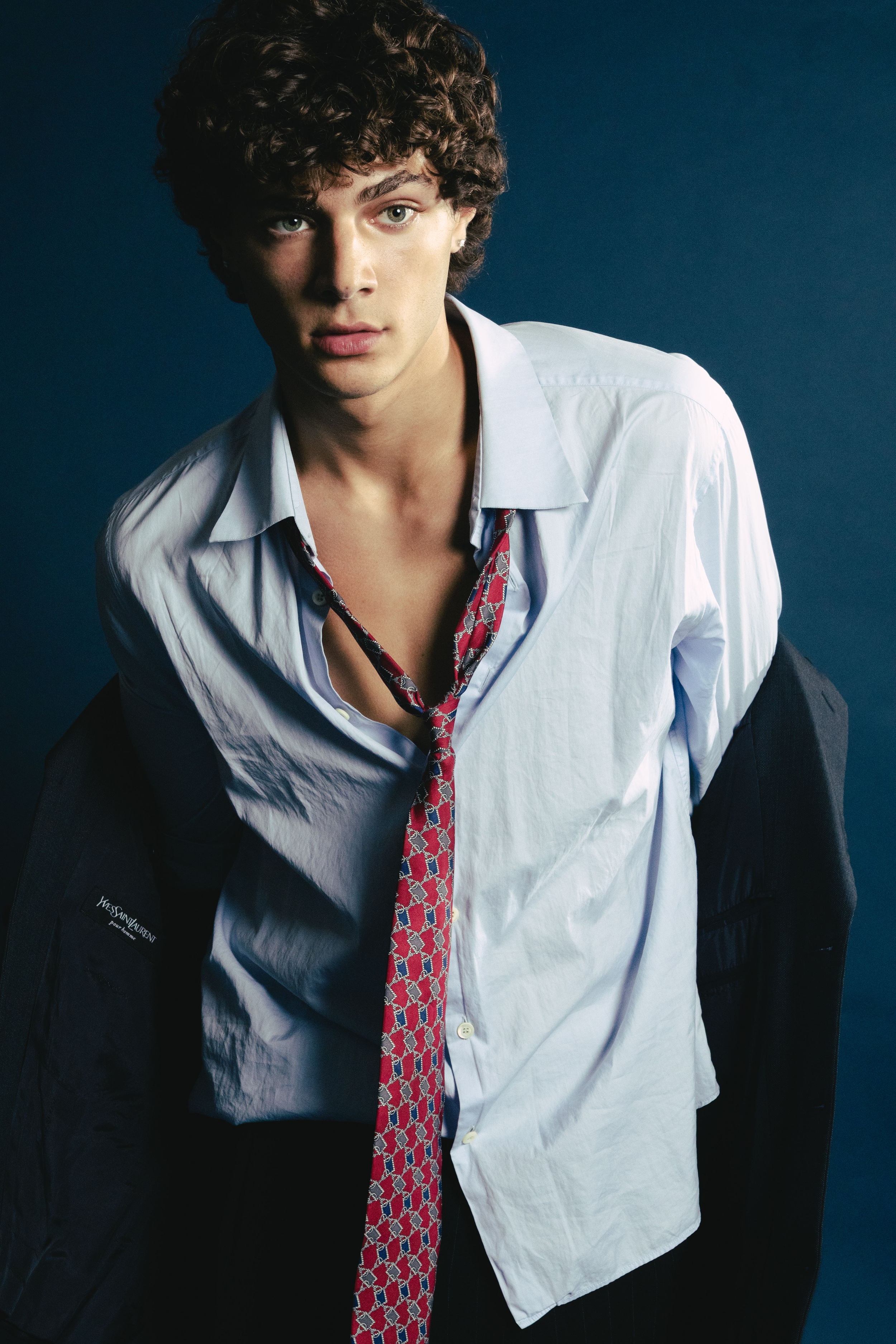
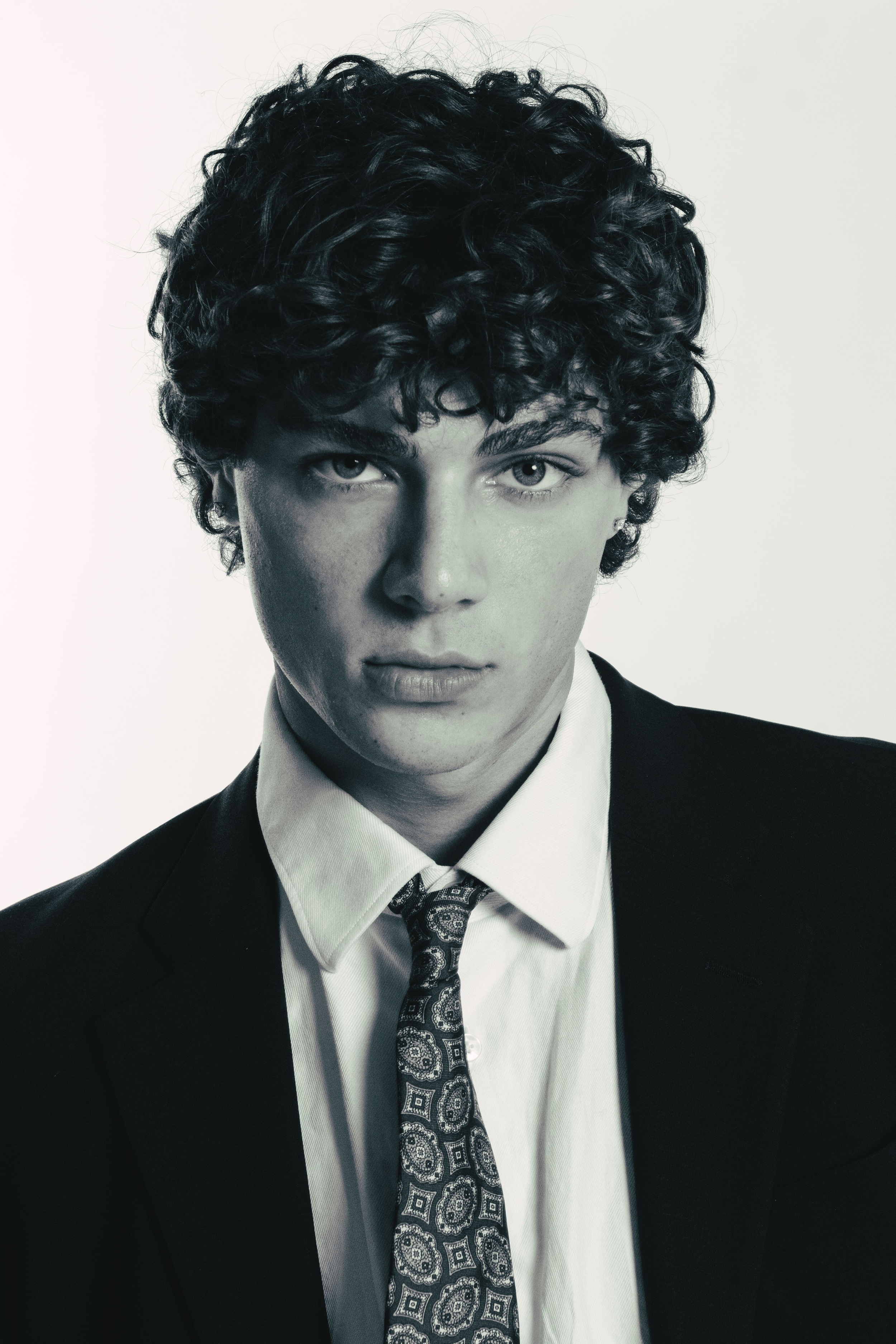
_______________________________________________________________________________________________________________________
Identity, Heritage, and Modern Luxury: An Insider’s View
By Anastasia Elektra (legal name Shuoyi Chen)
Luxury has always been a language of identity—but the dialect is changing. Where the industry once spoke almost exclusively through logos and legacy, today’s most compelling fashion narratives are built on something more enduring: authenticity, craftsmanship, and the stories that people and fashion houses choose to tell.
My career has unfolded across three countries and three distinct sectors of the fashion industry—from commercial casting in Chicago and cross-border scouting between China and the West to high-fashion talent development in New York. That journey has offered a perspective few people experience, allowing me to witness how identity is shaped, interpreted, and redefined across different markets.
My story began in Shanghai at KAT Agency, one of the few agencies in China dedicated to placing international models within the local market. The role allowed me to work from both sides of an industry that many Western scouts rarely encounter. I scouted international talent for Asia while building relationships with leading editorial titles including Vogue China, Esquire China, and Elle Men China, as well as emerging Chinese luxury brands such as Angel Chen and Jacques—labels redefining Chinese luxury on their own terms rather than following Western conventions.
Those early experiences taught me that identity in fashion is never universal. A face, a brand, or even a magazine can communicate something entirely different depending on the cultural context. Learning to translate between those worlds became the foundation of everything that followed.
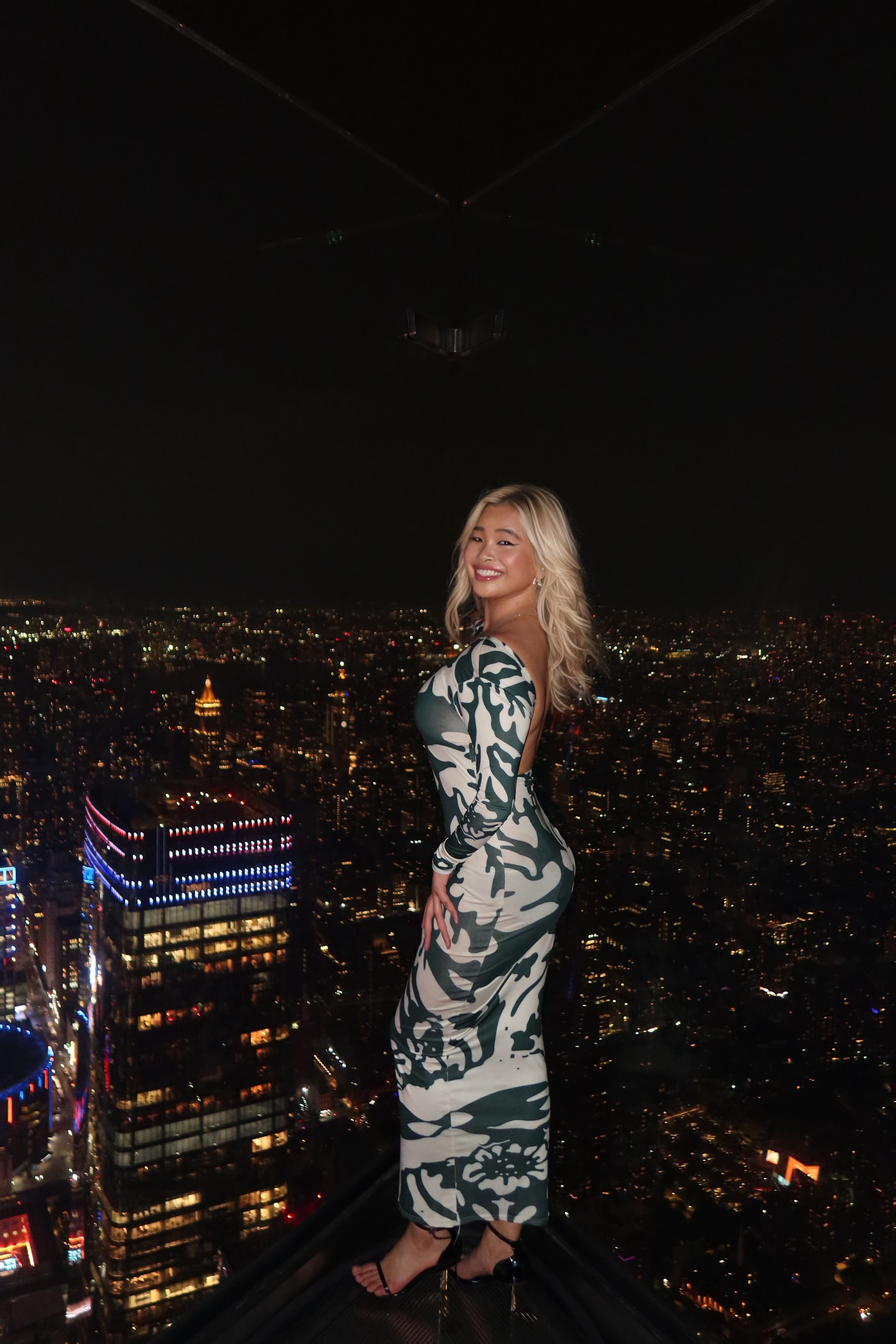
My next chapter took me to Chicago, where I joined 10 MGMT and immersed myself in the world of commercial fashion. Working with clients including Target, American Airlines, Finish Line, and JD Sports meant learning to make quick decisions in a fast-paced environment where one question mattered above all else: Will this connect with consumers? Commercial casting teaches you to recognise broad appeal instantly and to make those judgments under constant deadlines.
That experience naturally prepared me for New York and the world of luxury fashion. Rather than being a dramatic shift, it felt like an evolution. Commercial casting trains you to recognise what immediately captures attention; editorial and luxury casting ask a deeper question—what feels unique, memorable, and capable of expressing a designer’s creative vision. Whether for Comme des Garçons or Dries Van Noten, the challenge becomes identifying not simply a beautiful face, but someone who embodies a narrative.
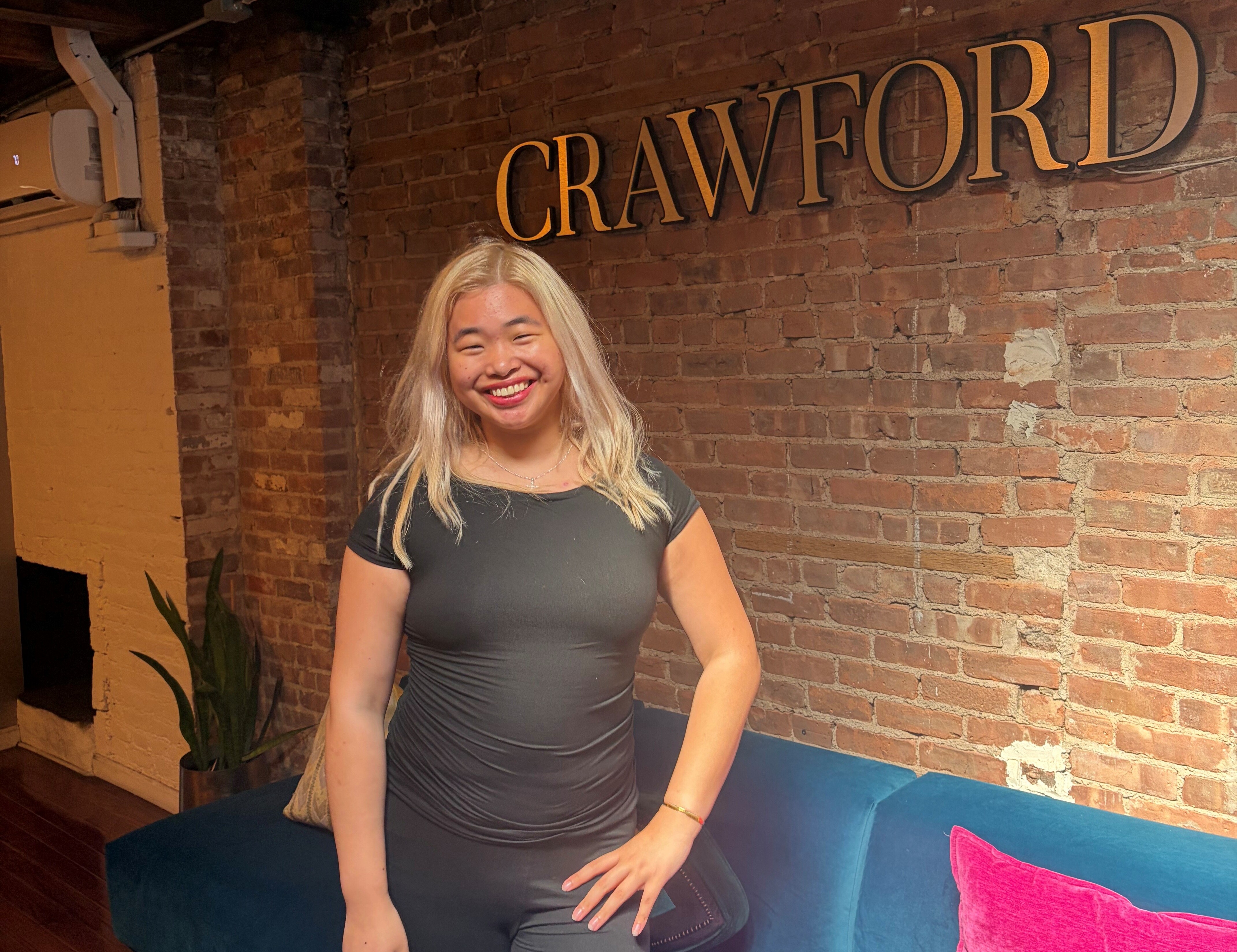
Today, as a talent manager and scout at Crawford Models, my work focuses on discovering new talent, developing careers, and connecting models with agencies, brands, and publications where they truly belong. It is a profession built equally on instinct, long-term relationships, and patience. A successful career rarely happens overnight; the journey from a first test shoot to an international campaign often takes years.
Working at Crawford Models has also placed me alongside some of the industry’s most successful talent—models who have fronted campaigns for Zara, Zegna, and Dolce & Gabbana—while allowing me to build strong relationships with respected editorial publications, including Vanity Teen. Experiencing both agency and editorial perspectives provides a rare understanding of how fashion heritage is created, preserved, and ultimately recognised.
Throughout my career, I have worked with talent connected to houses such as Comme des Garçons, Bottega Veneta, Dries Van Noten, and Louis Vuitton. These brands share something beyond prestige: they understand that luxury is rooted in identity. Comme des Garçons transforms deconstruction into storytelling. Dries Van Noten celebrates craftsmanship through textiles created by individual ateliers and artisans. Bottega Veneta’s signature intrecciato weaving demonstrates how exceptional craftsmanship becomes synonymous with brand identity.
Yet these stories are never told by clothing alone. They come to life through the people who wear them—the models selected for campaigns, the casting decisions made behind the scenes, and the editorial choices that determine who appears on the pages of magazines such as Victor Magazine Brazil or Icon.
This is often the missing piece in conversations about modern luxury. Talent development itself has become part of fashion heritage. Watching a new face evolve from early editorial features into campaigns for historic fashion houses is itself an act of building identity. The fashion industry does not simply preserve heritage—it continuously creates its future.
Modern luxury, therefore, is no longer defined solely by what hangs in a boutique. It is shaped by the people who wear it, the professionals who discover them, and the publications that choose to tell their stories. Having experienced that entire journey—from scouting and management to editorial collaborations—I believe the future of luxury belongs not to the loudest logo, but to the clearest, most authentic expression of identity.
The digital portfolio and website reveal even more: anastasia_elektra_


